
Why Is Insulation Pink? The Story Behind the Color
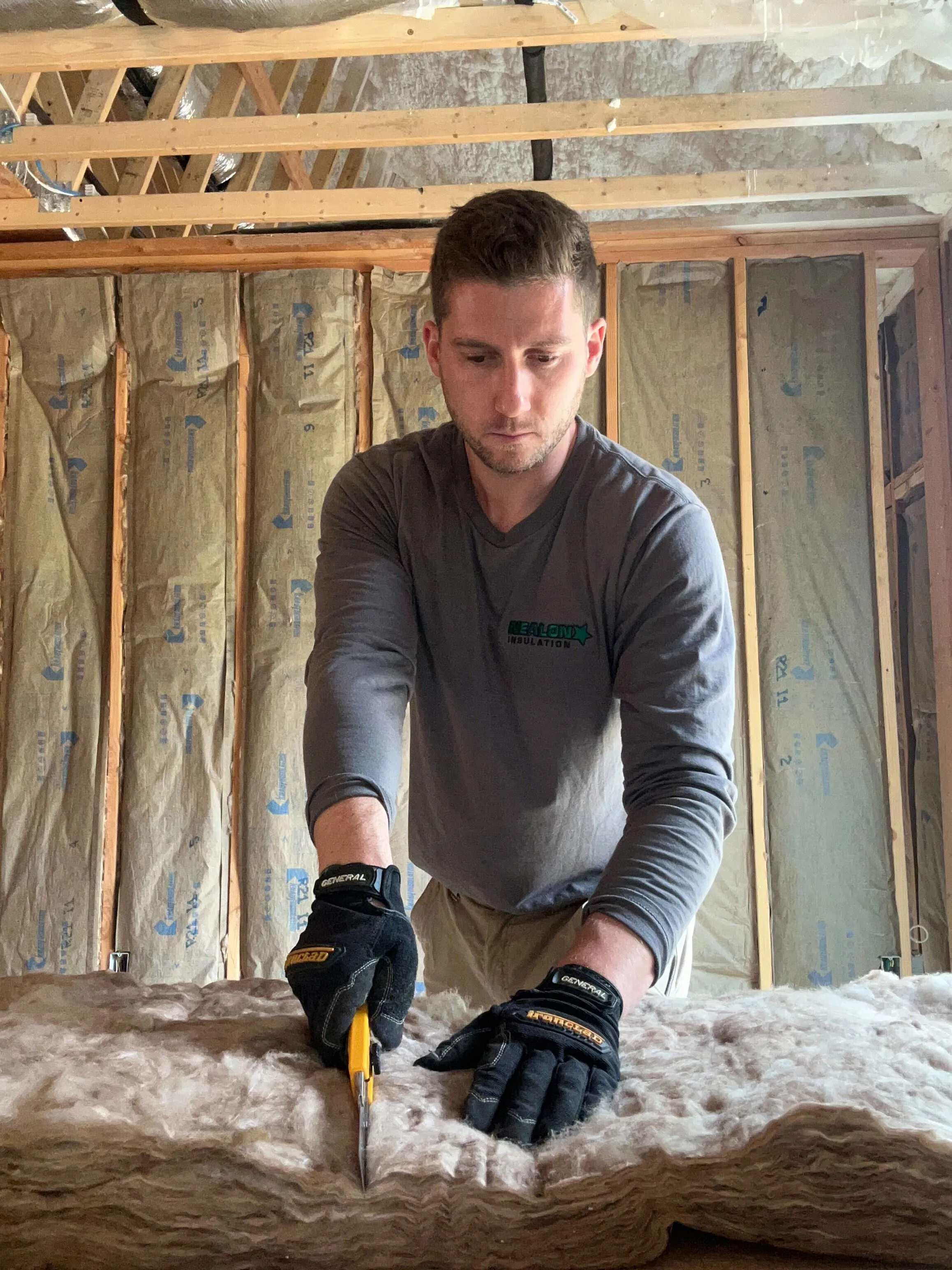
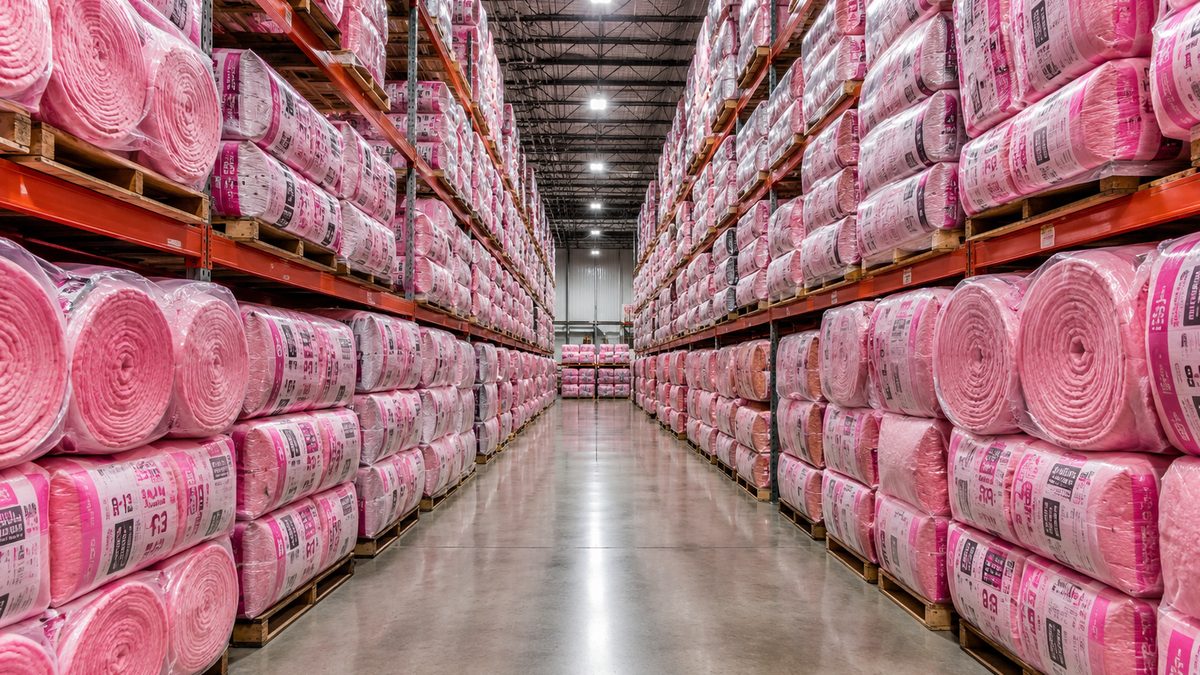
At some point, almost everyone who has ever poked their head into an attic has wondered the same thing: why is that insulation pink? It's not a color you'd associate with construction materials. It stands out. And for a product that spends its entire life hidden behind drywall and under floorboards, that's kind of the point.
The pink color has nothing to do with how fiberglass insulation works. It's a branding decision made by one company in 1956 that became so successful it reshaped how an entire industry thinks about product identity. Understanding where it came from — and what it actually tells you about the insulation in your walls — is more useful than you might expect, especially if you're standing in a supply house or talking to a contractor.
Fiberglass Is Naturally Yellow, Not Pink
Fiberglass insulation in its natural state comes out a dull tan or yellow-brown color. That's just what you get when you spin glass fibers and bind them together with resin — not exactly eye-catching, but functional. The problem was that by the 1950s, every major insulation manufacturer was selling products that looked almost identical. Same material, same color, same basic performance claims. If you were a contractor walking into a supply house, one roll of fiberglass insulation looked pretty much like the next.
Owens Corning had been making fiberglass insulation since the 1930s and was one of the dominant players in the market. But dominance doesn't mean much when your product is visually indistinguishable from every competitor on the shelf. They needed a way to stand out — and they found one, more or less by accident.
What's the best fiberglass insulation for a Connecticut attic?
How Pink Insulation Was Born
The Accidental (or Deliberate) Dye Job
In 1956, Owens Corning added red dye to their fiberglass insulation. Depending on which version of the story you believe, it was either a production accident or a push from the sales department — the historical record isn't entirely clean on that point. Either way, the red dye didn't produce red insulation. It produced pink. And instead of scrapping it, Owens Corning kept it.
The reaction from the field was immediate. Contractors and installers who had been working with generic tan and yellow products started specifically asking for the pink one. Not by brand name — by color. "Give me the pink insulation." That kind of organic recognition is something most manufacturers spend decades trying to manufacture. Owens Corning stumbled into it.
Owens Corning Leaned In
Once the company realized what they had, they built an entire identity around it. Slogans like "Think Pink" and "Put your house in the pink" became fixtures in their marketing through the 1960s and 70s. Then in 1980, they partnered with MGM to license the Pink Panther cartoon character as their official mascot — a move that locked the color association into popular culture for generations.
By 1987, the brand equity was strong enough to make legal history. On May 12 of that year, Owens Corning became the first company in the United States to successfully trademark a single color — PINK® — specifically for insulation products. To pull that off, they had to prove to the USPTO that the color functioned as a brand identifier, didn't affect product performance, and didn't deplete the available color palette for competitors in a meaningful way. They made the case, and it stuck.
The Pink Panther is still their mascot today. The trademark still holds. And pink insulation is still the first thing most homeowners picture when someone says "fiberglass insulation" — which is exactly the point.
Does the Color Actually Mean Anything?
The short answer is no. The pink dye in Owens Corning insulation is purely cosmetic. It does not change the R-value, fire resistance, or moisture behavior of the product. A pink batt and a yellow batt with the same R-rating and the same installation will perform the same way in your walls and attic. The color tells you who made it. That's all.
This is worth understanding because homeowners sometimes assume pink means better. It doesn't. Owens Corning makes good insulation — but so do Johns Manville, Knauf, and CertainTeed. The color is a branding tool, not a performance indicator. Judging insulation by color is a little like judging paint by the color of the can.
What actually matters when evaluating fiberglass insulation:
- R-value — the only number that tells you how well it resists heat flow
- Faced vs. unfaced — whether it includes a kraft or foil vapor retarder, which affects where it can be installed
- Batt vs. blown-in — the form factor determines where it's appropriate and how completely it fills a cavity
- Installation quality — gaps, compression, and voids in fiberglass batts can significantly reduce real-world performance, regardless of brand or color
A perfectly installed yellow batt outperforms a poorly installed pink one every time. That's the part that actually moves the needle on your energy bills.
How installation quality affects real-world insulation performance in Connecticut homes
Not All Fiberglass Insulation Is Pink
Pink gets all the attention, but there are several other colors of fiberglass insulation on the market — each tied to a specific manufacturer or product line. The color differences come down to either trademarked branding or the chemistry of the binder used in manufacturing.
Yellow: The Generic
Yellow is the natural color of fiberglass insulation when no dye is added. Because Owens Corning locked up pink and other manufacturers staked claims on their own colors, yellow became the default for brands that didn't trademark a color of their own. CertainTeed is the most common example you'll see at the big box stores. Yellow insulation performs the same as any other fiberglass product at the same R-value — it just doesn't have a cartoon mascot.
White and Green: Johns Manville
Johns Manville produces fiberglass insulation in white and green, both of which are trademarked colors for their product lines. Their insulation is formaldehyde-free, which is a meaningful distinction — most traditional fiberglass insulation uses phenol-formaldehyde resin as a binder, and Johns Manville moved away from that in 2002. The color difference here reflects both branding and a shift in manufacturing chemistry.
Brown: Knauf EcoBatt
Knauf's EcoBatt insulation is brown, and that color isn't from a dye at all. It comes from ECOSE technology — a plant-based binder that replaces the petroleum-derived resins used in conventional fiberglass. The brown color is a byproduct of the binder itself. EcoBatt is one of the more environmentally differentiated fiberglass products on the market, and the color is a visible signal of that difference in formulation.
What are the different types of blown-in insulation and how do they compare?
So What Should Connecticut Homeowners Actually Care About?
The color of your insulation is trivia. What it's doing for your house is not.
Connecticut sits in Climate Zone 5A, which means cold winters, humid summers, and heating costs that rank among the highest in the country. If your home was built before 1980 — and a lot of Connecticut homes were — there's a good chance whatever fiberglass insulation is up in your attic right now is well below current standards. The target for attic insulation in Connecticut is R-49 to R-60. Many older homes are sitting at R-11 or R-19, and you can check for signs your current insulation is falling short before committing to anything.
At that point, the brand and color of insulation are the last things worth debating. The gap between what you have and what you need is the problem.
How blown-in fiberglass and cellulose compare matters here — blown-in covers irregular framing and hard-to-reach areas more completely than batts can. Mineral wool offers better fire resistance and moisture tolerance. Spray foam handles air sealing and insulation in a single step. The material choice should follow the application — not the other way around.
What Nealon installs depends on what the house actually needs. Sometimes that's pink. Sometimes it's not pink at all.
How much money can Connecticut homeowners actually save by upgrading insulation?
The Color Is Marketing. The R-Value Is Real.
Pink insulation is one of the most recognizable products in the building materials industry — and that recognition was entirely engineered. A red dye, a contractor nickname, a cartoon cat, and a landmark trademark filing turned a functional commodity into a household name. It's a genuinely impressive piece of brand building. It just doesn't tell you anything about whether your house is properly insulated.
What matters is R-value, installation quality, and whether the material is right for the application. In Connecticut, where heating costs are high and older housing stock is common, those decisions carry real weight on your energy bills. If you're not sure what you have or what you need, that's the right question to start with.
👉 Contact Nealon Insulation — if you're not sure whether your insulation is doing its job, we'll take a look and give you a straight answer.
Frequent Questions About Pink Insulation
Why is Owens Corning insulation pink?
Owens Corning insulation is pink because the company added red dye to their fiberglass product in 1956 to distinguish it from competitors. The dye produced pink rather than red, and contractors began requesting it by color. Owens Corning trademarked the color PINK® for insulation in 1987, making them the first company in U.S. history to trademark a single color.
Is pink insulation better than yellow insulation?
Pink and yellow fiberglass insulation perform identically at the same R-value. The color difference reflects brand identity, not quality. Owens Corning makes the pink; yellow is the default for brands that haven't trademarked a color.
Can other companies make pink insulation?
No. Owens Corning holds a registered U.S. trademark on the color pink specifically for insulation products. Other manufacturers cannot legally produce pink fiberglass insulation. That's why competing brands use yellow, white, green, or brown instead.
Does insulation color affect R-value or fire resistance?
Insulation color does not affect R-value, fire resistance, or moisture performance. The dye added to pink, white, or green fiberglass insulation is cosmetic only. What determines performance is the material, the density, the R-value rating, and how well it's installed.
What color is fiberglass insulation without any dye?
Undyed fiberglass insulation is a dull tan or yellow-brown color. That's the natural result of spun glass fibers bound with resin. Yellow insulation from brands like CertainTeed is essentially fiberglass in its default state — no dye added, no trademark, no cartoon mascot.
Related Articles
Let's Work Together
Ready to transform your home into an energy-efficient haven? Schedule your free energy assessment today and experience the Nealon difference for yourself.