
Signs Your Home Isn't Properly Insulated (And What to Do About It)
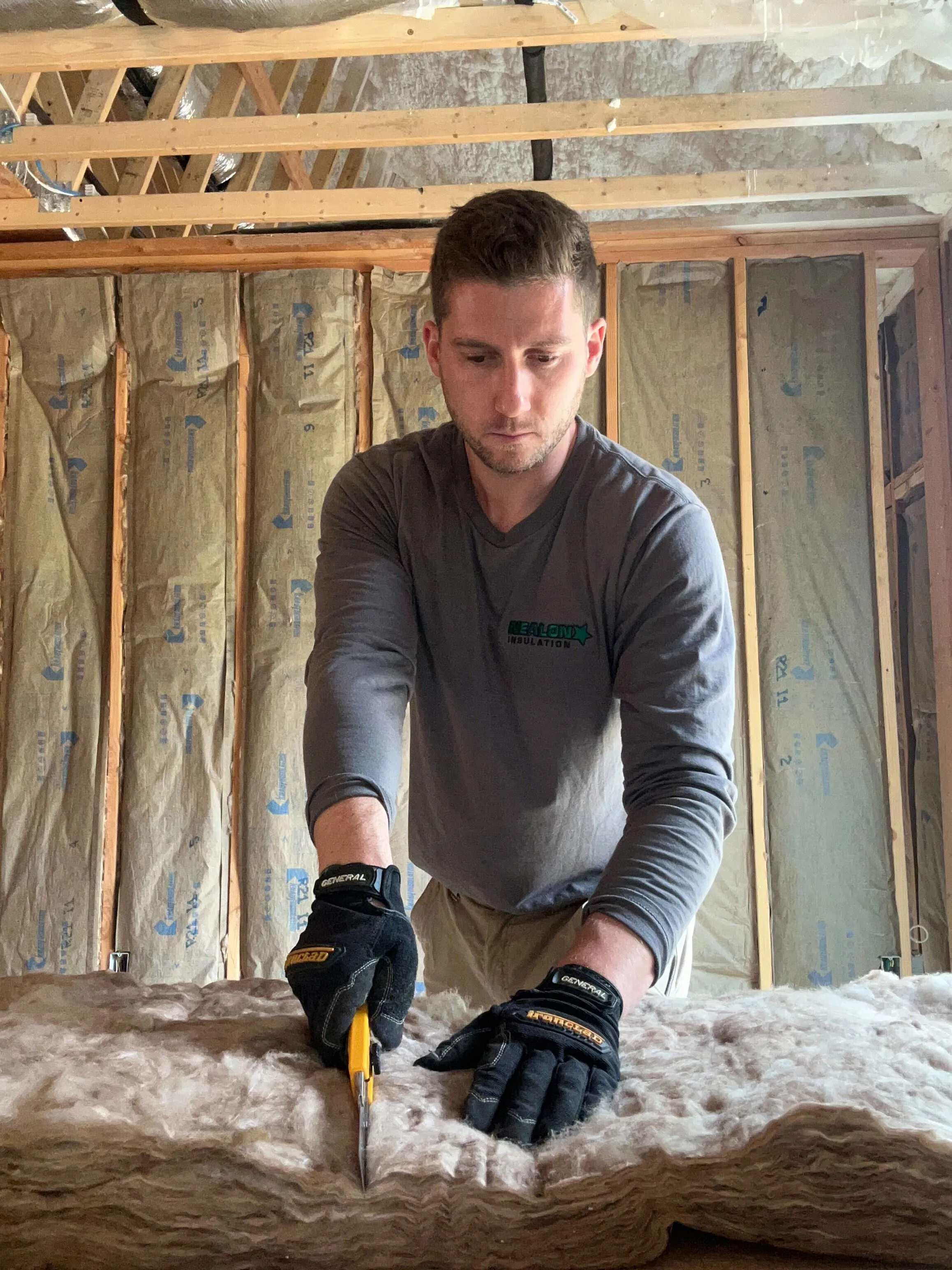

Most Connecticut homeowners don't wake up one day and think "I should check my insulation." They wake up because they're cold. Or because they just opened their heating bill and it looks like a car payment.
Insulation isn't the kind of thing that announces itself when it's failing. It just quietly stops doing its job — and you feel the consequences everywhere else. In the room that never quite warms up. In the draft that persists no matter how many times you've had the windows checked. In the energy bills that keep climbing even though you haven't changed anything about how you use your home.
Connecticut makes all of this worse. We're in Climate Zone 5A — cold winters, humid summers, and energy costs that consistently rank among the highest in the country. A home that's under-insulated in Georgia is an inconvenience. A home that's under-insulated in Connecticut is an expensive problem that compounds every single winter.
The good news is that most of the signs are readable if you know what to look for. This post walks through the most common indicators that a home isn't properly insulated — from the obvious ones like drafts and ice dams to the subtler ones like uneven room temperatures and floors that never quite feel warm.
Your Heating Bills Keep Climbing — And It's Not Just the Utility Company
Connecticut homeowners already know they're paying more to heat their homes than most of the country. That's just the reality of living here. But there's a difference between "CT energy prices are high" and "my house is hemorrhaging heat and I'm paying for every BTU that escapes."
If your heating bills have been creeping up year over year — or if they spike hard the moment temperatures drop below freezing — insulation is the first place to look. Not your furnace. Not your thermostat. Insulation.
Here's the basic physics: heat moves toward cold. In winter, the warmth you're paying to generate is constantly trying to escape outside. Insulation slows that process down. When it's missing, thin, compressed, or wet, heat moves through your building envelope faster than your heating system can replace it.
The most common places heat escapes in a Connecticut home:
- Attic floor — heat rises, and an under-insulated attic is the single biggest source of heat loss in most homes
- Rim joists — the framing that sits on top of your foundation wall, almost always under-insulated in older CT homes
- Walls — especially in pre-1980 homes with little to no wall insulation
- Floors over unconditioned spaces — garages, crawl spaces, cantilevered additions
Not sure what R-value your home is currently hitting? Use the R-Value Calculator to get a baseline before you do anything else.
A good rule of thumb: if a moderately cold November hits and your bill already looks like February, your home is working harder than it should. That gap is often insulation talking.
Why Are Connecticut Electricity Rates So High?
Some Rooms Are Freezing While Others Are Fine
If your bedroom is comfortable while the room above the garage feels like a meat locker — that's not a heating system problem. That's an insulation problem.
Uneven temperatures are one of the most reliable signs of a compromised thermal envelope. Heat escapes faster in specific areas where insulation is missing or compromised, and the rooms closest to those weak points feel it first.
In Connecticut homes, this shows up most often in:
- Rooms above garages — floor cavities are frequently uninsulated or have fallen insulation
- Cape Cod knee wall areas — classic under-insulated zone in one of CT's most common home styles
- Additions and bump-outs — often built to lower insulation standards than the original structure
- Top-floor rooms — directly below an under-insulated attic
There's also a less obvious culprit: air bypasses. These are gaps in the building envelope — around wiring, plumbing, chimneys, recessed lights — where conditioned air leaks out and cold air infiltrates. You can have insulation sitting right next to a bypass and still end up with a cold room.
The fix isn't always "add more insulation." Sometimes it's air sealing first, then insulation. Sometimes it's both.
10 ways to keep your home warm in the winter
You Feel Drafts — Even With the Windows Closed
This one gets misdiagnosed constantly. Homeowner feels a draft, assumes it's the windows, spends money on new windows, and still feels the draft. Sound familiar?
Windows are rarely the primary source of air infiltration in an older home. The bigger leaks are almost always hidden:
- Around recessed lights and electrical penetrations
- Along rim joists and basement band joists
- At top plates where walls meet the attic
- Around plumbing stacks and chimney chases
- Inside wall cavities with balloon framing
What you're feeling as a "draft" is usually stack effect in action. Warm air rises and leaks out through the upper portions of your home. As it exits, it creates negative pressure at lower levels, pulling cold air in through every small gap near the floor. The result feels like a drafty house. The actual cause is a leaky building envelope top to bottom.
If you only insulate your attic but ignore air sealing, you're wearing a winter coat with the zipper open. The material is there, but the cold gets in anyway.
Shoreline Connecticut homes have an extra wrinkle: wind-driven air infiltration off the water is more aggressive than what inland homes deal with. Gaps that are a minor nuisance in a sheltered neighborhood become a serious problem closer to the coast.
If you've identified drafts and want to know what fixing them actually involves, adding insulation to an existing home walks through the practical options without requiring you to gut your walls.
Why Air Sealing Is the Secret Ingredient to a Comfortable, Efficient Home?
Your Roof Is Growing Ice Dams
If you've lived in Connecticut for more than a few winters, you've seen them — thick ridges of ice forming along the edge of a roofline. They look like a winter postcard. They're actually a warning sign.
How ice dams form:
- Heat escapes through an under-insulated attic floor
- That heat warms the roof deck above it
- Snow on the warm roof melts and runs toward the eaves
- The eaves — which aren't getting heat from below — refreeze that water
- The ice ridge builds up and starts backing water underneath your shingles
The result: wet insulation, damaged sheathing, stained ceilings, and in bad cases, mold.
The root cause is almost always the same: too much heat escaping from the living space into the attic. A properly insulated and air sealed attic stays cold in winter — close to outdoor temperatures — which means snow melts evenly and slowly, the way it's supposed to.
Ventilation plays a supporting role, but it won't solve an ice dam problem if the attic floor is leaking heat. You have to stop the heat loss first. Understanding how insulation baffles work alongside attic insulation helps clarify why both pieces matter.
If you're seeing ice dams every winter, that's not bad luck. That's a fixable insulation problem presenting itself in a very visible way — and the longer you wait, the more the water damage compounds.
How can you stop mold from coming back?
Your Floors Feel Cold — Especially Over the Garage or Crawl Space
Cold floors are easy to dismiss. Thicker socks, a rug, move on. But a floor that's consistently cold in winter is usually telling you something about what's happening underneath it.
Crawl spaces deserve extra attention in Connecticut shoreline homes. An unsealed, uninsulated crawl space doesn't just make your floors cold — it introduces moisture into the floor assembly from below. That moisture can lead to wood rot, mold growth, and compromised structural members over time. The shoreline environment makes this worse: higher ambient humidity, proximity to tidal areas, and seasonal flooding risk all compound the problem.
The building science has largely settled on full encapsulation as the better long-term answer for most Connecticut homes — because it addresses both the thermal and moisture problem at the same time. Insulating just the floor above leaves the crawl space itself as a moisture trap. For a deeper look at material options, this guide on the best crawl space insulation material is worth a read before you make any decisions.
Here's How to Do a Quick Self-Check
You don't need to be a building scientist to get a basic read on whether your home is under-insulated. Here's a simple sequence any homeowner can run through.
1. Start in the attic
Go up and look at the floor. You're checking two things: depth and condition.
- Depth: In Connecticut, you're targeting R-49 to R-60 — roughly 15 to 20 inches of blown cellulose or fiberglass. If you can see the floor joists poking above the insulation, you're under where you need to be.
- Condition: Compressed, flattened, or wet insulation has lost a significant portion of its R-value. Wet insulation isn't just ineffective — it's holding moisture against your structure.
Most pre-1980 CT homes have original insulation sitting around R-11 to R-19. That was the standard then. It's well below what's needed now.
2. Do a comfort walk
On a cold day — ideally below 30°F — walk through your home and note:
- Rooms that feel noticeably colder than others
- Drafts near outlets and switch plates on exterior walls
- Temperature differences between floors
- Any area that consistently resists heating
You're not diagnosing — you're gathering evidence.
3. Check an exterior wall outlet
Remove a cover plate on an exterior wall outlet and feel inside the gap around the electrical box. Cold air moving through that gap means the wall cavity has air leakage issues — regardless of what insulation may be in there.
4. Know when to call a professional
The self-check gives you directional information. For an accurate picture of where your home is losing energy and what it will cost to fix, a professional energy audit with a blower door test is the right next step. Energize CT offers rebate programs that can offset the cost of both the audit and qualifying improvements.
What Properly Insulated Looks Like — So You Know the Target
"Better insulation" is vague. Here's what the actual targets look like for a Connecticut home.
A properly insulated attic doesn't just mean enough depth — it means air sealing every penetration at the attic floor first. Top plates, recessed light housings, plumbing stacks, chimney chases, wiring runs. Insulation on top of unsealed air leaks is like putting a lid on a pot with holes in the bottom. It helps, but not nearly as much as it should.
For walls, dense-pack cellulose blown into existing cavities is usually the most practical retrofit for older Connecticut homes — it fills voids, adds some air resistance, and doesn't require opening up finished walls.
The Energize CT angle
If your home is falling short of these targets — and many Connecticut homes are — there's financial help available. Energize CT offers rebates for qualifying insulation and air sealing work, and income-eligible households can access deeper incentives. Learn more about Connecticut insulation rebates before you budget any project, because the savings can meaningfully reduce your out-of-pocket cost.
The Bottom Line on Home Insulation
Insulation problems rarely show up as one dramatic failure. They show up as a collection of smaller annoyances — a cold room here, a high bill there, ice dams every February, floors that never quite feel right in January. Individually, each one is easy to dismiss. Together, they're telling you something consistent: your home's thermal envelope has gaps, and you're paying for them every month.
The homes most likely to have these issues in Connecticut are the ones built before 1980 — and there are a lot of them, especially along the shoreline. They were built to the standards of their time, which means they were built significantly below what we now know is needed to keep a home comfortable and efficient through a Connecticut winter. That's not a criticism of how they were built. It's just where things stand, and it's fixable.
The path forward isn't complicated:
- Start with the attic — biggest heat loss, fastest return
- Add air sealing alongside any insulation work
- Address crawl spaces and rim joists if you're dealing with cold floors or moisture
- Check Energize CT rebates before you budget anything
If you've read through this post and found yourself nodding at two or three of these symptoms, your home is probably telling you something worth listening to. The longer under-insulation goes unaddressed, the more it costs — in energy bills, in comfort, and sometimes in moisture damage that compounds quietly until it becomes a much bigger repair.
👉 Contact Nealon Insulation if you've noticed any of these signs in your home — we've been diagnosing and fixing insulation problems in Connecticut since 1977.
Frequent Questions About Signs of Poor Home Insulation
How do I know if my attic has enough insulation without hiring someone?
Check attic insulation levels by looking across the attic floor. If the tops of the floor joists remain visible, the insulation level is usually too low. Homes in Connecticut should typically have attic insulation between R-49 and R-60, equal to about 15 to 20 inches of blown cellulose or fiberglass insulation. Compressed, wet, or flattened insulation also loses effectiveness and may require replacement or additional coverage.
Can poor insulation cause mold problems?
Poor insulation can cause mold problems by allowing warm indoor air to condense on cold surfaces inside walls, attics, and crawl spaces. Moisture buildup creates conditions that support mold growth on framing, subfloors, and roof sheathing. Connecticut crawl spaces are especially vulnerable because high ground moisture and humidity increase condensation risks. Proper insulation, air sealing, and crawl space encapsulation help control both heat loss and moisture accumulation.
How much can I save on heating bills by improving my home's insulation?
Improving home insulation and air sealing can reduce heating and cooling costs by up to 15% according to the U.S. Department of Energy. Connecticut homeowners with older, under-insulated homes often see the largest savings because oil and propane heating costs remain high. Homes built before 1980 with original insulation typically benefit most from attic insulation and air sealing upgrades.
What's the difference between adding insulation and air sealing — do I need both?
The main difference between insulation and air sealing is that insulation slows heat transfer while air sealing stops air movement through gaps in the building envelope. Homes need both because moving air carries heat much faster than conduction alone. Building science standards recommend air sealing first, then adding insulation, to prevent heat loss through attic bypasses, wall penetrations, and framing gaps.
How long does insulation last — could my home's original insulation still be doing its job?
Insulation can last for decades if it remains dry, intact, and undisturbed, but older insulation often performs far below modern standards. Many pre-1980 Connecticut homes contain attic insulation rated around R-19 and wall insulation near R-11, which is significantly lower than current recommendations. Compression, moisture damage, pest activity, and age-related settling further reduce insulation performance over time.
Related Articles


Let's Work Together
Ready to transform your home into an energy-efficient haven? Schedule your free energy assessment today and experience the Nealon difference for yourself.