
5 Mistakes New Connecticut Homeowners Make (And How to Avoid Them)
Closing day feels like the finish line. You've got the keys, the mortgage is signed, and the moving truck is scheduled. What nobody tells you is that the clock starts the moment you walk through that door — and a few early mistakes can cost you thousands before you even hang a picture.
Connecticut adds its own layer of complexity. The housing stock here is old. The winters are real. The utility rates are among the highest in the country, and the homes that were built before 1980 — which is a lot of them — weren't designed with any of that in mind. What worked fine for the previous owner may already be quietly costing you money.
This isn't a list of obvious things you already know. These are the mistakes Ori sees new homeowners make regularly, sometimes in the first week, sometimes after a year of wondering why the house never quite feels right. A few of them are quick fixes. One of them could save you hundreds of dollars a year for the rest of the time you own the home.
Mistake #1: Not Changing the Locks the Day You Move In
The previous owners handed you a set of keys at closing. What they didn't hand you was a list of everyone else who has a copy.
Think about it. Contractors, housekeepers, dog walkers, neighbors with "emergency access," an ex-partner who never gave theirs back. In an older Connecticut neighborhood, some of those keys have been floating around for decades. The house may have changed hands two or three times, and nobody rekeyed it once.
This is the easiest mistake to avoid and the one most new homeowners put off because it feels less urgent than unpacking boxes. It isn't.
What to do instead:
- Call a locksmith before or on moving day — not a week later
- Rekey every exterior door lock, including the garage entry and any basement or bulkhead doors
- Replace any deadbolts that look worn, dated, or like they came with the house in 1987
- While you're at it, check that every window latch actually latches
Rekeying is cheap — typically $20 to $50 per lock. Replacing a lock entirely runs $100 to $200 depending on hardware. Either way, it's the least expensive peace of mind you'll buy as a homeowner.
Smart home locks with keypad or app access are worth considering too, especially if you'll have contractors in and out during any early renovation work. One code per person, deleted when the job's done.
Mistake #2: Skipping the Home Inspection — or Ignoring What It Found
In a competitive market, some buyers waive the home inspection to make their offer more attractive. That's a gamble with four or five figures at stake. But honestly, the more common mistake isn't skipping the inspection entirely — it's getting one, reading the summary, and then filing the report in a drawer somewhere.
A home inspection report is not a pass/fail grade. It's a prioritized list of everything that needs attention, from the urgent to the "keep an eye on it." New homeowners who treat it like a checkbox miss the whole point.
Connecticut's housing stock makes this especially important. A significant portion of homes in this state were built before 1980 — before modern electrical codes, before updated plumbing standards, before anyone was thinking seriously about energy efficiency. An inspector walking through a 1960s Cape Cod in Madison or a 1940s colonial in Guilford is going to find things. The question is whether you act on them.
What the report is actually telling you:
- Immediate safety issues — faulty wiring, active leaks, structural concerns. These don't wait.
- Deferred maintenance — aging roof, old water heater, worn weatherstripping. These have a clock on them.
- Efficiency red flags — missing insulation, unsealed penetrations, disconnected exhaust venting. These cost you money every month you ignore them.
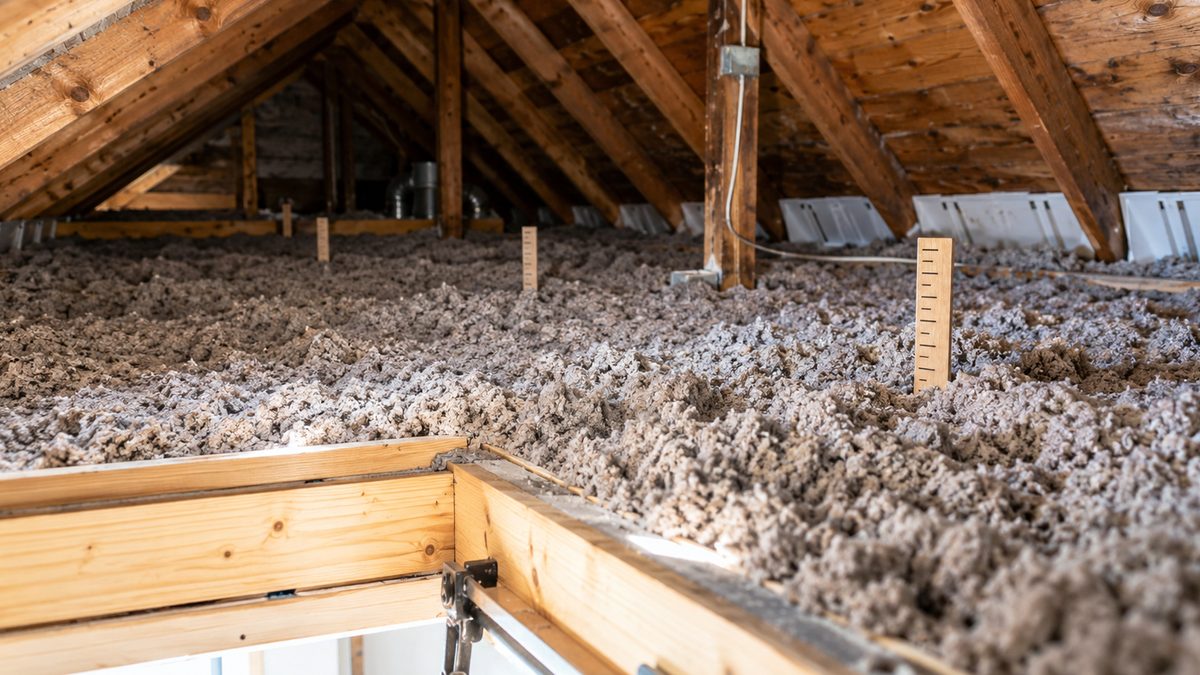
That third category is where new homeowners leave the most money on the table. An inspector might note "attic insulation appears insufficient" in the same matter-of-fact tone as "recommend caulking around master bath tub." They're not the same problem. Thin or missing attic insulation in a Connecticut winter is a monthly expense — not a cosmetic issue. Knowing the signs of poor home insulation before you move in puts you ahead of the problem.
Pull the report back out. Go through it line by line. Assign each item a timeline: now, within six months, within a year. Then actually work the list.
What does an energy audit actually find in a Connecticut home — and is it worth the cost?
Mistake #3: Assuming the Insulation and Air Sealing Are Fine
This is the one that costs new Connecticut homeowners the most money, and it's almost always invisible until the first heating bill shows up in January.
Here's the assumption most buyers make: the previous owners lived here for years, so they must have dealt with the insulation. Maybe they even mentioned upgrades during the sale. The truth is, "we added insulation" could mean anything from a full professional installation to one bag of fiberglass blown into a corner of the attic sometime in 2003.
Connecticut homes built before 1980 are under-insulated as a class. Not occasionally — routinely. The building standards of that era didn't require what we know today is necessary for a Climate Zone 5A home. The attic R-value target for Connecticut is R-49 to R-60. Most pre-1980 homes are sitting somewhere between R-11 and R-19, if that. The gap between where they are and where they need to be is exactly what shows up on your heating bill every winter.
Why you should get an insulation estimate before buying a home?
The Air Sealing Problem Is Just as Bad — and Less Obvious
Most people focus on insulation, but understanding why air sealing matters as much as insulation is where a significant portion of Connecticut homes bleed heat. Air sealing closes the gaps, cracks, and penetrations where conditioned air escapes and outside air infiltrates. Without it, even well-installed insulation underperforms.
Think of it this way: insulation slows heat transfer, but air leaks bypass it entirely. A drafty attic hatch, an unsealed rim joist, gaps around recessed lights — these aren't cosmetic flaws. They're holes in your thermal envelope that run up your bill all winter and make your AC work harder all summer.
What New Homeowners Should Actually Do
The smartest first move is scheduling a Home Energy Solutions (HES) audit through Energize CT. For a $40 copay, a certified energy auditor walks your home, runs a blower door test, identifies exactly where air is escaping, and produces a report with specific upgrade recommendations. Income-eligible homeowners may qualify for the no-cost HES-IE program.
That audit also unlocks Energize CT rebates — up to $2.00 per square foot for insulation installed by a participating contractor. On a typical Connecticut attic, that can translate to hundreds of dollars back in your pocket. But the rebates require the audit first. You can't apply retroactively once the work is already done.
New homeowners who schedule the HES audit in their first few months own the process. They know what their home actually needs, they have a contractor-ready report, and they're positioned to capture rebates before funding runs out for the year.
Those who assume everything is fine usually figure it out by February.
Step-by-step guide to apply for insulation rebates
Mistake #4: Renovating Before You Understand the Energy Envelope
New homeowners are eager. That's completely understandable — you just bought a house and you want it to feel like yours. So the kitchen gets a refresh, the master bath gets new tile, the living room gets fresh paint. Six months in, you've spent $30,000 making the inside look great.
And the house is still cold in January, hot in August, and your utility bills haven't budged.
This is one of the most expensive sequencing mistakes a new homeowner can make. Cosmetic renovations on top of a leaky, under-insulated building envelope are like putting new carpet in a house with a wet basement. The surface looks better. The underlying problem hasn't moved.
The building envelope is everything that separates conditioned space from the outside world — your attic, exterior walls, basement or crawl space, and the air sealing throughout. In Connecticut's climate, getting that envelope right is what determines whether your home is actually comfortable and affordable to run. Everything else is secondary.
Why the Sequencing Matters So Much
Renovation work often disturbs the building envelope whether you plan for it or not. If you're serious about insulating during a renovation, opening up walls for a kitchen remodel is the perfect opportunity to add wall insulation — but only if you planned for it. Once the drywall is back up and the cabinets are in, that window closes. You'd have to tear it apart again.
The same logic applies to finished basements, bathroom additions, and any project that touches exterior walls or the attic floor. Do the envelope work first, or at minimum do it at the same time. Trying to retrofit it afterward costs more and delivers less.
A Simple Rule Before Any Renovation
Before committing to any project over $5,000, ask two questions:
- Does this project touch any part of the building envelope?
- Have I addressed the insulation and air sealing in that area?
If the answer to the first is yes and the second is no, reorder the work. The energy upgrade pays for itself over time. The granite countertops do not.
Connecticut homeowners who get this sequencing right end up with a home that's comfortable, efficient, and worth more at resale. Those who get it backwards spend years wondering why their beautiful renovated house still feels drafty.
Thinking about adding insulation to your existing home?
Mistake #5: Underestimating the Real Cost of Connecticut Homeownership
Connecticut is a wonderful place to own a home. It is not a cheap one.
New homeowners who moved from a rental — or from another state — often get their first full year of carrying costs and feel genuine sticker shock. The mortgage payment was the number they planned around. Everything else has a way of adding up faster than expected.
Property taxes in Connecticut are among the highest in the country. Depending on your town, you could be looking at anywhere from 1.5% to 3% of your home's assessed value annually. In shoreline communities like Madison, Old Saybrook, or Westbrook, that's a significant number. It doesn't go down.
Then there's heating. Connecticut homeowners heat with oil, gas, propane, or electric — and none of those options are cheap in Climate Zone 5A. Heating oil in particular can run a household several thousand dollars a year in a cold winter, especially in an older home that hasn't been properly insulated or air sealed. New homeowners who didn't ask about the previous owner's annual utility costs going in often find out the hard way by March.
Check out your homes mill rate
The Maintenance Budget Mistake
Beyond taxes and utilities, new homeowners routinely underestimate the cost of keeping a house running. A useful rule of thumb: budget 1% to 2% of your home's purchase price per year for maintenance and repairs. On a $450,000 home — roughly the Connecticut median — that's $4,500 to $9,000 annually. Not every year will hit that number, but some years will exceed it.
The expenses that catch people off guard most often:
- Roof repairs or full replacement
- Water heater failure
- HVAC servicing or replacement
- Gutter cleaning and drainage issues
- Pest control, especially in wooded or shoreline areas
None of these are rare events. They're normal homeownership, just concentrated in a state where labor and materials cost more than the national average.
The One Expense That Actually Pays You Back
Most maintenance spending is defensive — you're preventing something worse from happening. Insulation and air sealing upgrades are different. They reduce your heating and cooling costs every single month for the life of the home. The average energy savings Connecticut homeowners see after insulation often surprise people — combined with Energize CT rebates, the payback window on a typical attic insulation project is often three to five years. After that, you're running at a net gain.
New homeowners who understand that distinction spend their early dollars more strategically. The house stays comfortable, the bills stay manageable, and the surprises stay small.
Curious what home improvements actually deliver the best return in Connecticut?
Buying a home in Connecticut is still one of the smartest financial moves you can make — but only if you go in with both eyes open. The mistakes above aren't rare. They're the norm. Most new homeowners hit at least two or three of them before the first year is out.
The good news is that none of them are catastrophic if you catch them early. Rekey the locks on day one. Pull out that inspection report and actually work through it. Get the HES audit before you assume the insulation is fine. Sequence your renovations so you're not spending money on top of problems. And build a real maintenance budget before something expensive surprises you.
Connecticut homeownership rewards the homeowners who treat the house like the asset it is — not just a place to decorate.
👉 Contact Nealon Insulation — if you've just purchased a home in Connecticut and want to know exactly where you stand on insulation and air sealing, we'll give it to you straight.
Frequent Questions About New Homeowner Mistakes in Connecticut
How soon after buying a home in Connecticut should I schedule an energy audit?
Schedule the Home Energy Solutions (HES) audit within the first 60 to 90 days of ownership. That window gives you a full picture of your home's energy performance before your first heating season hits — and positions you to capture Energize CT rebates before annual funding runs low. Waiting until you notice a problem means you've already paid for it.
Do I need to disclose insulation problems to future buyers when I sell?
Connecticut sellers must disclose known material defects, and inadequate insulation or significant air leakage can qualify. Getting the insulation and air sealing addressed early protects your resale position years down the road. A home with documented energy upgrades is a stronger listing than one with question marks in the attic.
What questions should I ask the previous owner before closing on a Connecticut home?
Ask for the last 12 months of utility bills, the age and service history of the HVAC system, and any documentation of insulation or weatherization work. Sellers are not always forthcoming, but the utility history tells you most of what you need to know about how the home performs. A home running $400 a month in heating oil in November is telling you something the listing description won't.
Is it worth upgrading insulation in a Connecticut home I just bought if I plan to sell in five years?
Insulation and air sealing upgrades pay back faster in Connecticut than in most states because of the high cost of heating fuels and electricity. A well-documented attic insulation project that reduces annual heating costs by $400 to $600 a year delivers most of its payback within that five-year window. It also commands attention from buyers who know what Connecticut utility bills look like.
What is the biggest sign that a Connecticut home has an air sealing problem?
Rooms that are hard to heat evenly, drafts near electrical outlets on exterior walls, and frost or ice buildup at the eaves in winter are the clearest signs of significant air leakage. These symptoms point to a leaky thermal envelope, not a failing heating system. A blower door test performed during the HES audit will confirm where the air is moving and how much it's costing you.
Related Articles
Let's Work Together
Ready to transform your home into an energy-efficient haven? Schedule your free energy assessment today and experience the Nealon difference for yourself.