
What Is the Caveman Cooling Method (And Where It Falls Short)
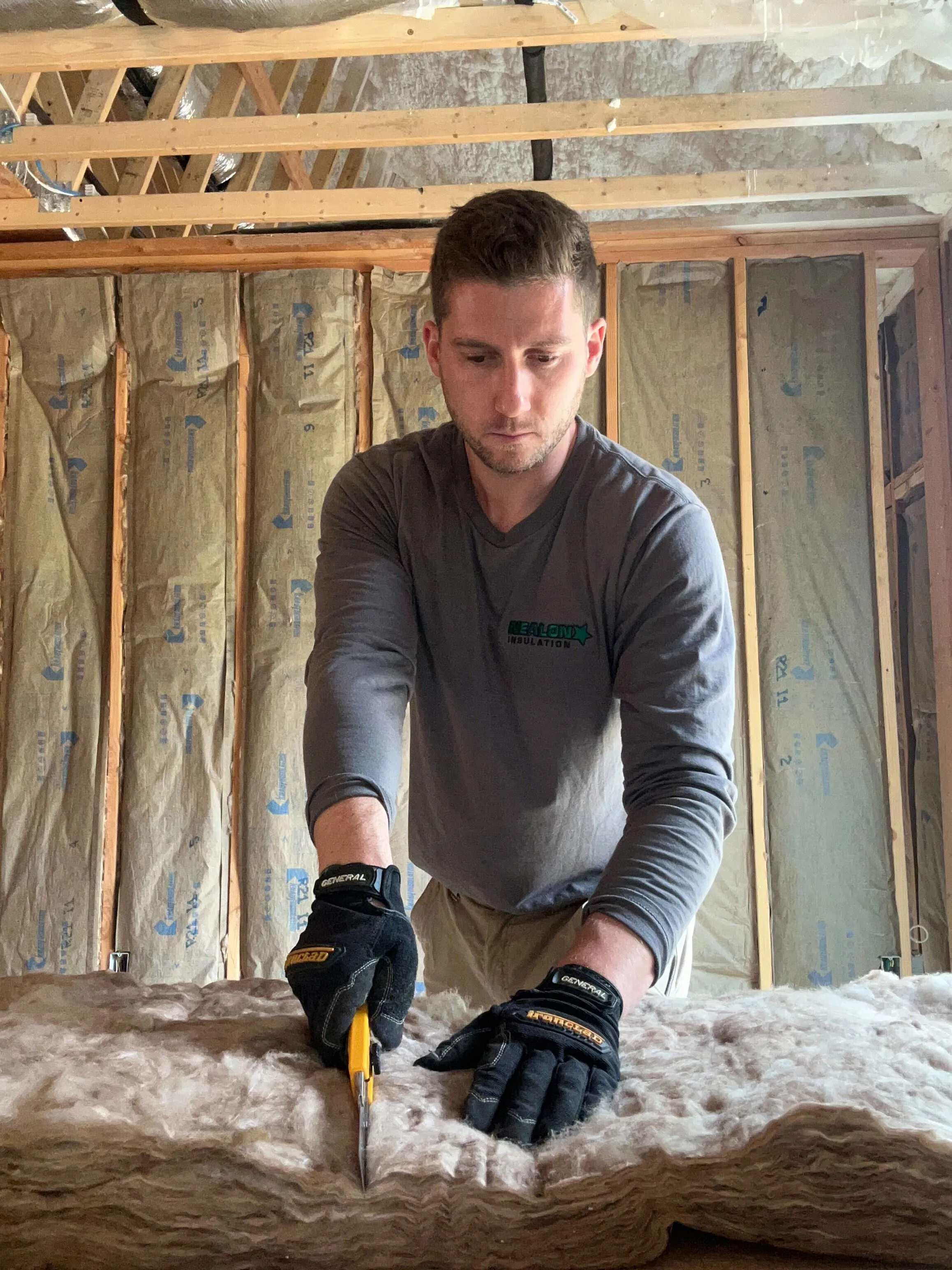

When your AC is running nonstop and your bedroom still feels like a sauna at 11pm, it's tempting to believe the only fix is a bigger, more expensive cooling system. But a trend that's been making the rounds lately, the "caveman method," argues the opposite: that some of the best cooling tricks cost nothing and have been around since before electricity existed.
Connecticut shoreline summers make this worth paying attention to. Humid air, sun-baked siding, and an older housing stock that wasn't built with modern cooling loads in mind all add up to homes that struggle to stay comfortable in July and August. Here's what the caveman method actually is, whether it holds up, and where it runs into a problem that no amount of closed curtains can solve.
What Is the Caveman Method?
The caveman method is a free, no-power cooling trick that treats your home like a cave: dark, sealed off, and protected from outside heat. The idea picked up steam on social media during recent heatwaves, but the logic behind it is older than your house.
Think about what makes an actual cave cool in the middle of summer. No direct sunlight gets in, no warm outside air leaks through, and the mass of rock around it stays at a steady, lower temperature all day. Your house can mimic that same effect with a few simple habits:
- Block sunlight before it heats up your rooms
- Seal the house tight during the hottest hours
- Let cooler air back in once the temperature drops outside
None of this requires a contractor, a permit, or a dime of investment. It's a behavior shift more than a home improvement, which is exactly why it spreads fast every summer. That said, "free" doesn't mean "magic." How well the caveman method works depends a lot on what's happening above your ceiling and behind your walls — something we'll get into further down.
How the Caveman Method Works
The caveman method comes down to timing — sealing up before the heat builds, then venting once it breaks.
Sealing Up During the Day
Close your windows, blinds, and curtains before the outdoor temperature climbs past the indoor temperature, usually mid-morning on a hot Connecticut day. Once the sun is up and the air outside is warmer than the air inside, every open window is just inviting heat in.
A few habits that make this stage work:
This stage is the closest your home gets to acting like an actual cave — dark, sealed, and resistant to outside conditions.
Venting Out at Night
Once the sun goes down and outdoor temperatures drop below indoor temperatures, the strategy flips. Open windows on opposite sides of the house to create cross ventilation, and let that cooler night air flush out the heat that built up during the day. Shoreline homes often get a real advantage here, since coastal breezes tend to cool down faster after sunset than inland areas.
The timing matters more than people expect. Open up too early, while it's still warm outside, and you're just letting heat back in. Wait too long, and you lose hours of cooling opportunity before the cycle starts again the next morning.
Does the Caveman Method Actually Work?
Yes, the caveman method works, but it works on physics, not magic. Understanding how heat actually moves in and out of a home makes it easier to see why: blocking solar gain and trapping cooler night air can genuinely drop indoor temperatures by several degrees during a heatwave, especially in homes that don't run AC around the clock.
Here's the simple version of what's happening:
- Sunlight hitting a window transfers heat directly into the room, even with the window closed. Blocking it before that happens stops the problem before it starts.
- Outdoor air above your indoor temperature adds heat every time it gets in, whether through an open window or a gap around a door.
- Cooler night air, once it's let in, settles low and pushes warmer air out — especially with cross ventilation moving it through the house.
What the caveman method isn't is a replacement for air conditioning during extreme heat. On the worst days of a Connecticut summer, when overnight lows barely dip and humidity stays high, there may not be enough of a temperature swing to make the nighttime venting step worthwhile. It's a tactic for taking the edge off and cutting down on AC runtime, not a stand-in for it.
The other honest tradeoff: a sealed-up, blinds-down house is a dark house. That's a fair price for some homeowners during a heatwave and a dealbreaker for others, which is part of why this method works best as a short-term tool rather than a daily routine.
Where the Caveman Method Hits Its Limit
The caveman method can't fix a house that's losing the cooling battle from the attic down. A sealed-up, blinds-drawn home still bakes if hot air is pouring through an under-insulated attic or leaking in around poorly sealed gaps, no matter how disciplined you are about timing your windows.
Heat doesn't just come through windows. In a typical older Connecticut home, a hot attic radiates heat down through the ceiling all day long, and gaps around recessed lighting, attic hatches, and top plates let conditioned air escape just as easily in summer as they let heat escape in winter. You can run the caveman method perfectly and still end up with a second floor that stays uncomfortably warm, because the heat isn't coming through your windows at all. It's coming through your ceiling.
This is where the caveman method and proper attic insulation are solving two different parts of the same problem. The caveman method manages heat that's trying to get in through doors and windows. Attic insulation and air sealing manage the heat trying to get in through the top of the house, which in most homes is actually the bigger source of summer heat gain. It's also why your AC can't keep up when the attic is working against it — the system is fighting heat that's already inside the building envelope.
A homeowner who's done both gets a noticeably different result than one who's only doing the caveman method: a house that stays cooler with less daily effort, and an AC system that isn't fighting a losing battle against a hot attic every afternoon.
Making Your Home Cooler Year-Round
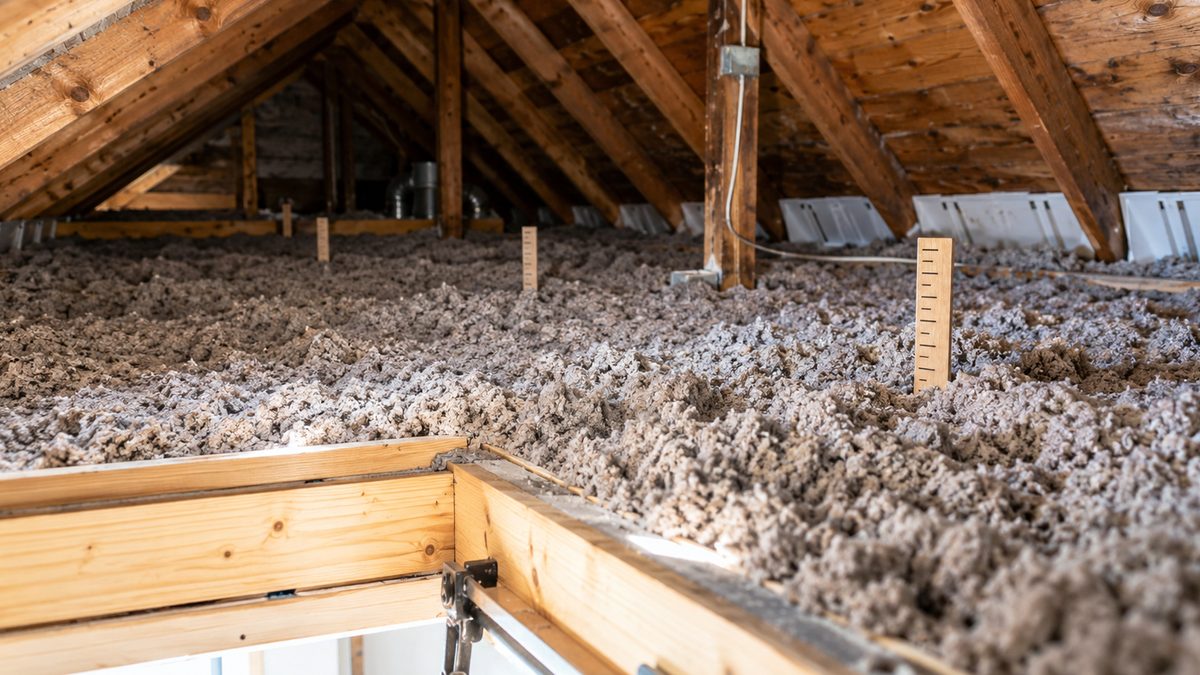
Proper attic insulation and air sealing do the same job as the caveman method, except automatically and around the clock. Instead of relying on you to close the blinds at the right hour, a well-insulated, well-sealed attic keeps outside heat from reaching your living space in the first place.
For most Connecticut homes, especially the pre-1980 housing stock common along the shoreline, the attic is the biggest opportunity. The standard guidance for this climate zone is R-49 to R-60 in the attic, and a lot of older homes are running well below that. Add why air sealing matters as much as the insulation itself to the picture — insulation alone doesn't stop air movement through gaps and penetrations — and you've closed both the heat-radiating and heat-leaking sides of the problem.
The payoff shows up in both directions. A tighter, better-insulated attic keeps summer heat out and winter heat in, which means less strain on your AC in July and lower heating bills in January. It also means the caveman method actually has something to work with: instead of fighting a losing battle against a hot attic, you're managing a house that's already starting from a cooler baseline.
Energize CT offers rebates that can help offset the cost of attic insulation and air sealing upgrades — check Connecticut insulation rebates available this year before assuming a project is out of budget.
Frequent Questions About the Caveman Method
Does the caveman method work in humid climates like Connecticut?
The caveman method works in Connecticut but is less effective during periods of high humidity. Closing windows during the day reduces solar heat gain, but nighttime ventilation provides less benefit when overnight humidity remains high. Run a dehumidifier with the caveman method to reduce indoor humidity and improve comfort during humid summer weather.
Can the caveman method replace air conditioning entirely?
The caveman method cannot replace air conditioning during extended heatwaves or periods of high humidity. It reduces daytime heat gain and lowers air conditioner runtime, but it does not remove heat or humidity from the home. Use the caveman method to improve cooling efficiency and reduce energy use, not as a complete replacement for air conditioning.
How long does it take to feel a difference using the caveman method?
Homeowners typically notice a temperature difference within 1 day of using the caveman method consistently. Closing windows and blinds before peak daytime heat immediately reduces solar heat gain. The full benefit develops over 2 to 5 days as consistent sealing during the day and nighttime venting lower the home's indoor temperature baseline.
Does attic ventilation interfere with the caveman method?
Proper attic ventilation supports the caveman method by removing hot air from the attic before it transfers into the living space. Attic ventilation reduces attic temperatures, while attic insulation slows heat transfer into the home. Use attic ventilation together with the caveman method to improve indoor comfort and reduce air conditioning demand.
Is the caveman method worth trying in a newer, well-insulated home?
The caveman method is worth using in newer, well-insulated homes because it further reduces daytime heat gain at no cost. A well-sealed building envelope already limits most heat transfer, so the temperature improvement is smaller than in older, under-insulated homes. Continue using the caveman method to improve comfort and reduce air conditioner runtime, regardless of your home's insulation level.
The caveman method is a genuinely useful, zero-cost way to take the edge off a Connecticut heatwave: seal up during the heat of the day, vent out once it cools down at night, and let physics do the rest. It works because it addresses real heat gain through windows and doors, and it's worth doing even if you have central AC.
But it has a ceiling. If your attic is under-insulated or your house is leaking air, you're managing the part of the problem you can see while the bigger source of summer heat keeps pouring in through the ceiling. Pair good habits with a properly insulated, air-sealed attic, and your home stays cooler with a lot less daily effort.
👉 Contact Nealon Insulation — find out how a quick attic assessment can show you exactly where your home is losing its cool (and its heat).
Related Articles
Let's Work Together
Ready to transform your home into an energy-efficient haven? Schedule your free energy assessment today and experience the Nealon difference for yourself.