
Should You Insulate During a Renovation? (Yes — Here's Why)
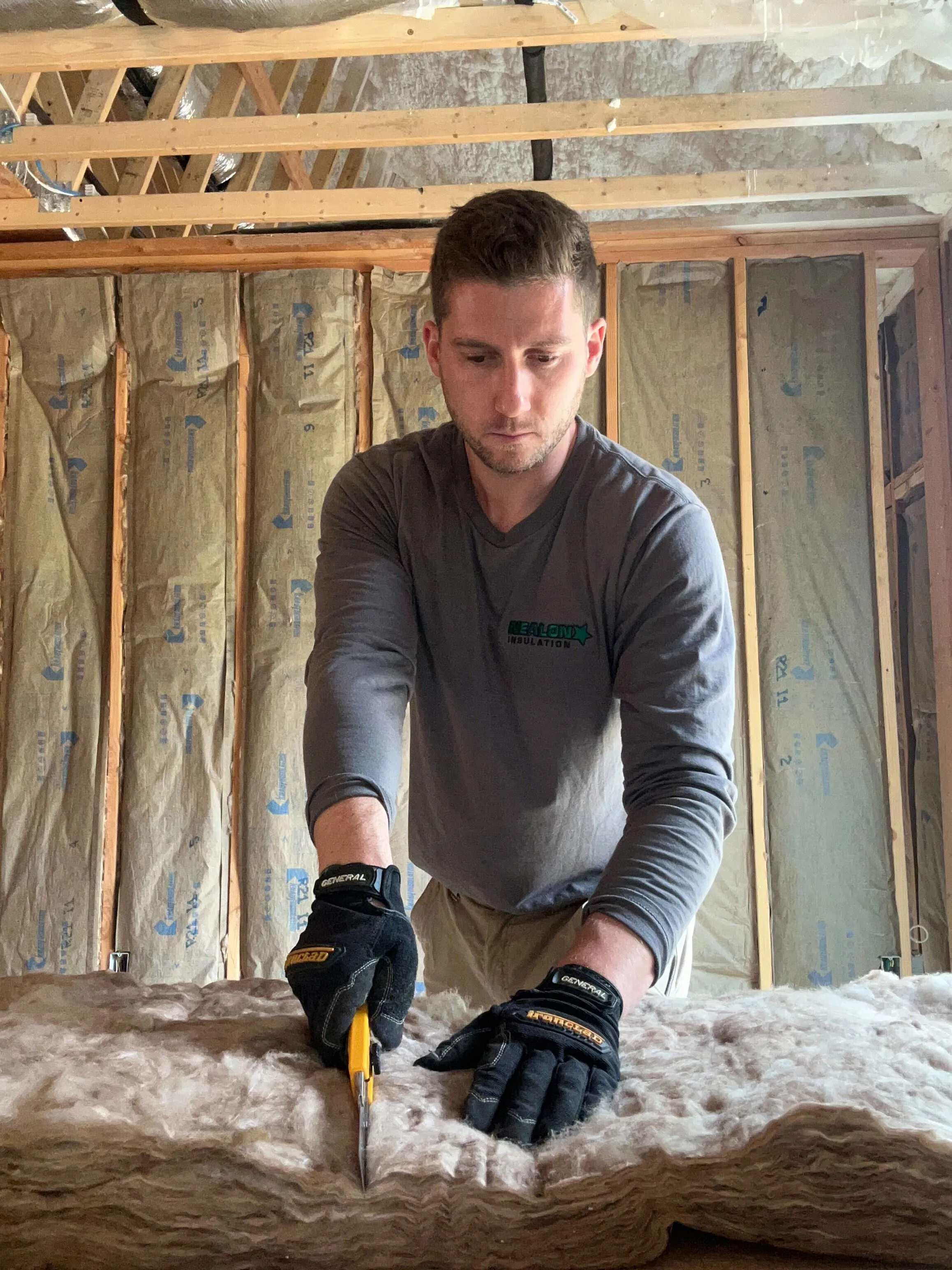
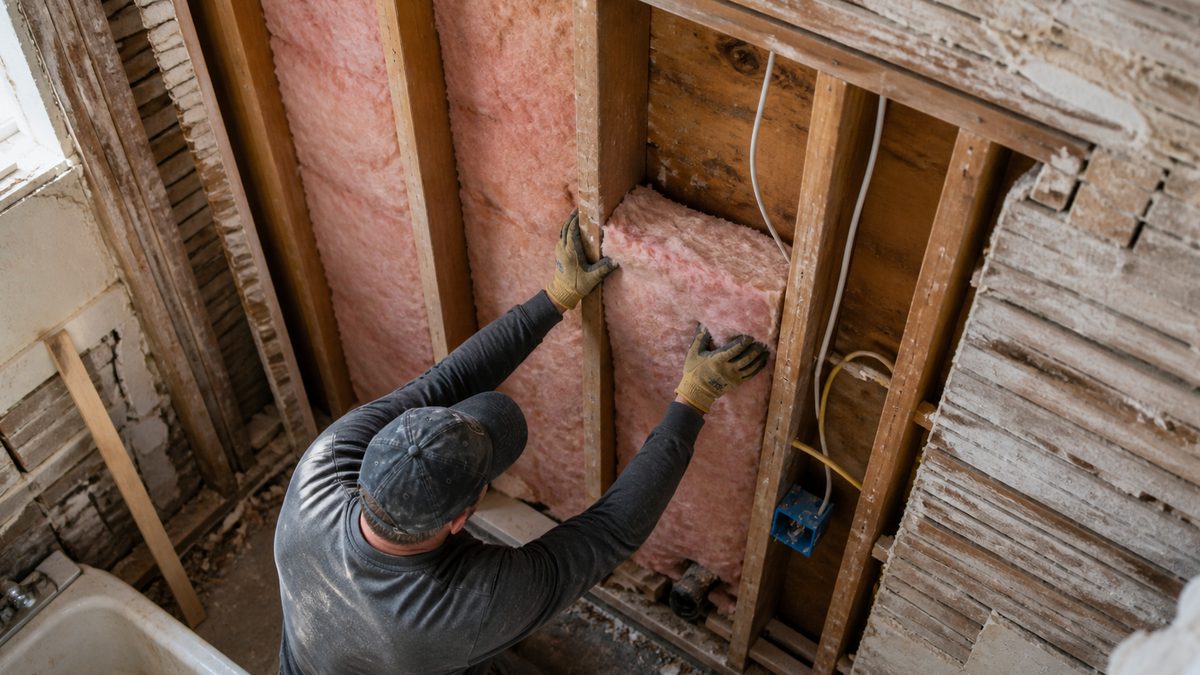
There's a moment in almost every renovation where the walls come open and a contractor or homeowner peers into the cavity and finds… nothing. Or worse, a handful of deteriorated fiberglass batts that have been sitting there since 1974, compressed and possibly damp, doing a fraction of the job they were originally installed to do.
That moment is either an opportunity or a missed one. Which it becomes depends entirely on whether insulation is part of the conversation before the drywall goes back up.
Connecticut homes are expensive to heat. The state consistently ranks among the highest in the country for residential energy costs, and a significant chunk of that cost walks right out through under-insulated walls, unsealed bypasses, and rim joists that have never seen a drop of spray foam. Most of that heat loss is invisible — you don't see it leaving, you just see the bill at the end of the month.
A renovation changes the math. When walls are already open for a kitchen remodel, a bathroom gut, a basement finish, or an addition, insulation stops being a disruptive standalone project and becomes a logical part of what's already happening. The demo cost is zero because the demo is already paid for. The access is there. The only question is whether you use it.
This post covers which renovations create the best insulation opportunities, what to focus on while you have access, which materials make sense where, and why air sealing belongs in the same conversation. If you've got a renovation coming up — or one already in progress — here's what to think about before the drywall goes back on.
Why a Renovation Is the Best Time to Insulate
Most homeowners think about insulation when something goes wrong — the heating bill spikes, a room won't stay warm, or they finally get tired of that one drafty corner by the window. By that point, fixing it means opening up finished walls, patching drywall, repainting. It's a whole project just to get to the problem.
A renovation flips that equation entirely. When the walls are already open, insulation stops being a disruptive upgrade and becomes a simple add-on. You're not paying for demo. You're not patching anything extra. The access is just there.
Open Walls Mean Zero Demo Costs
This is the part that changes the math. Retrofitting insulation into a finished wall typically means cutting, removing drywall, doing the insulation work, and then patching and painting. That's labor on top of labor. During a renovation, that demo phase is already paid for by the project you're doing anyway. The insulation work itself — whether it's batt, spray foam, or rigid board — goes in clean and gets covered by the new drywall you were already planning to hang.
For older Connecticut homes where the walls are likely holding R-7 or less (sometimes nothing at all), that's a meaningful upgrade for a fraction of what it would cost as a standalone job.
You're Already Disrupting the House — Might as Well Do It Right
Renovations are loud, dusty, and inconvenient. You've already accepted that. The question is whether you want to go through that disruption once and come out with a home that's properly insulated, or go through it again in five years when you finally decide to deal with the comfort issues you could have fixed the first time.
Connecticut winters are not forgiving. Heating costs here run among the highest in the country, and a lot of that heat is escaping through walls that haven't been touched since the Carter administration. If the walls are open, there's no good argument for skipping the insulation.
Which Renovations Create the Best Insulation Opportunities
Not every renovation gives you the same level of access, but a surprising number of common projects open up walls, ceilings, or floors that are worth addressing while you're in there. Here's where to look.
Kitchen and Bathroom Remodels
These are two of the most common renovations in older Connecticut homes, and they almost always involve opening up at least some exterior walls. Kitchens frequently share a wall with the outside. Bathrooms — especially older ones — often have exterior walls that are completely uninsulated or insulated with deteriorated fiberglass that's been soaking up moisture for decades.
Moisture is the keyword here. Bathrooms and kitchens generate a lot of it, and if the wall cavity behind the tile or the cabinet run isn't properly insulated and air sealed, you're setting yourself up for condensation, mold, and energy loss all at once. While the walls are open is the right time to address all three.
How do you make sure existing moisture problems don't get sealed in behind the insulation?
Additions and Room Conversions
If you're adding square footage or converting a garage, basement, or attic into living space, insulation isn't optional — it's part of making the space functional. An addition that's not properly insulated will be uncomfortable year-round and expensive to condition. Connecticut's Climate Zone 5A requirements mean you need to hit minimum R-values in walls, ceilings, and floors over unconditioned space, and a renovation is exactly when that work happens most efficiently.
Garage conversions deserve special mention. Garages were built to store cars, not people. The walls are often uninsulated, the ceiling is thin, and there's no thermal barrier between the slab and the living space above. Getting all of that right during the conversion costs far less than trying to fix it after the drywall is up.
Basement and Crawl Space Finishing
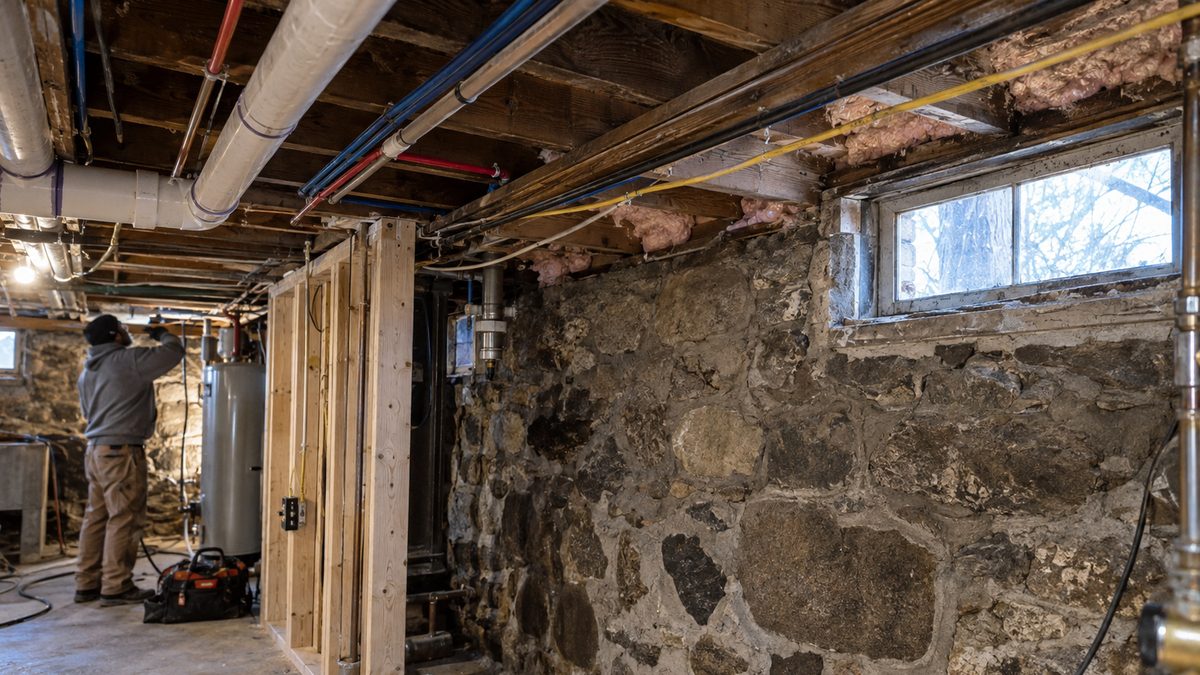
Finishing a basement is one of the highest-return renovations you can do — but only if the thermal envelope is handled correctly. That means insulating the rim joists, addressing the foundation walls, and making sure the floor situation is thought through. A finished basement with no insulation on the rim joists is still leaking significant heat every winter.
Crawl spaces that get enclosed as part of a renovation are a similar story. If you're already down there doing work, crawl space encapsulation and insulation should be part of the conversation. A properly sealed and insulated crawl space makes the floors above noticeably warmer and helps with moisture control across the whole house.
Roof Replacement or Attic Work
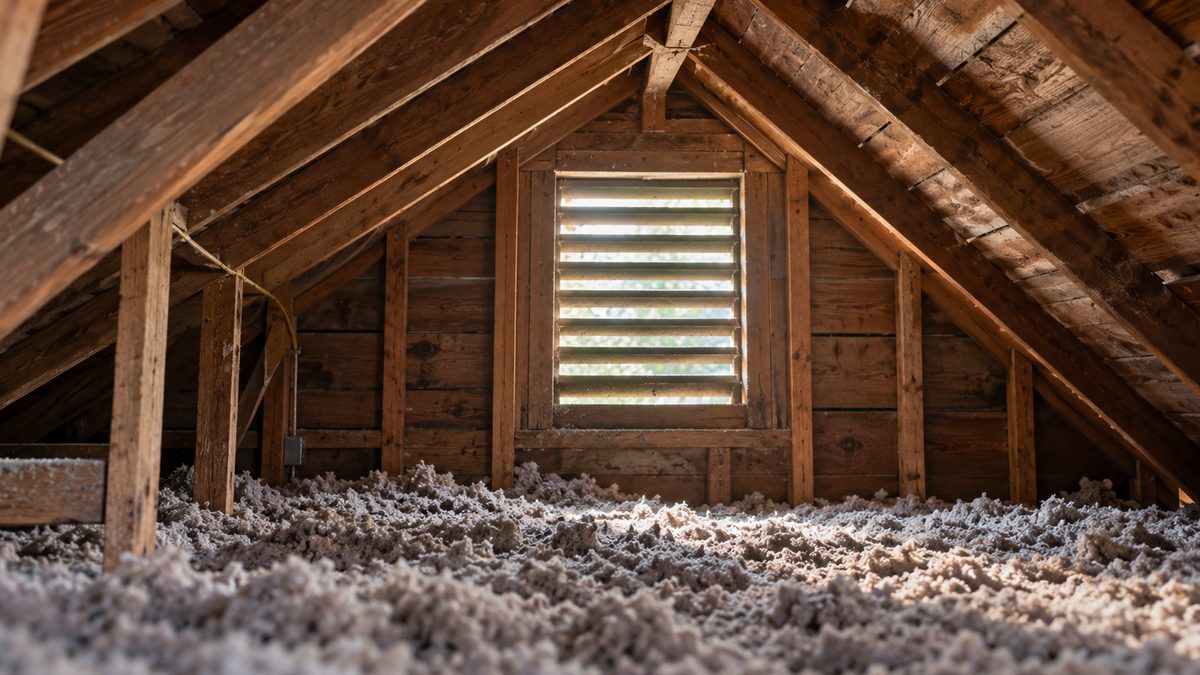
A roof replacement doesn't automatically open up your attic insulation, but it does create a natural moment to have the conversation. If roofers are up there and you've got an older home, it's worth having someone check what's actually in the attic before everything gets buttoned back up. Connecticut's recommended attic insulation target is R-49 to R-60. A lot of homes in the area are sitting at R-19 or less.
If the attic is being accessed as part of the project — for HVAC work, structural repairs, or any other reason — that's the moment to evaluate and upgrade. Adding blown-in insulation to an attic that's already being accessed adds minimal time and cost to a project that's already in motion.

What to Insulate (and What to Upgrade) While You Have Access
Having open walls or ceilings doesn't mean every cavity is equally important. Some areas deliver more return than others. Here's where to focus.
Walls
Exterior walls are the obvious target. In a pre-1980 Connecticut home, there's a reasonable chance those wall cavities are either empty or filled with original fiberglass batts that have settled, compressed, or gotten wet at some point over the last few decades. Compressed fiberglass loses R-value fast — a batt rated R-13 that's been squashed down to half its thickness isn't performing anywhere close to R-13 anymore.
When walls are open during a renovation, you have a clean shot at doing this right. Depending on the wall depth and the project, that might mean dense-pack cellulose, spray foam, or new fiberglass batts. For a deeper look at which material performs best in different wall assemblies, what insulation works best for walls breaks it down clearly. A 2x4 wall cavity in Connecticut should be hitting at least R-13 to R-15. A 2x6 cavity can get to R-20 or better.
What R-value do Connecticut homes actually need — by location and wall type?
Attic Bypasses and Air Sealing
This one catches a lot of homeowners off guard. If a renovation involves any work near the top of the wall — crown molding removal, ceiling work, recessed lighting — there's a good chance you're exposing attic bypasses. These are gaps where interior wall cavities connect directly to the attic, and they're one of the biggest sources of heat loss in older homes.
Air sealing those bypasses while the access is there costs very little in materials and labor. Skipping it means conditioned air keeps pouring into your attic every winter, and no amount of attic insulation fully compensates for an unsealed bypass. This is the "zipper open on your winter coat" problem — insulation without air sealing only goes so far.
Rim Joists and Band Joists
If a basement or crawl space is part of the renovation, rim joists should be on the checklist. The rim joist is the perimeter framing that sits on top of your foundation wall, and it's one of the most consistently under-insulated areas in Connecticut homes. It's also one of the easiest to address when you have access.
Spray foam is typically the best material here — it insulates and air seals in one step, and it handles the irregular geometry of a rim joist cavity better than batt insulation does. A properly insulated and air-sealed rim joist makes a noticeable difference in floor temperatures and overall heat loss, especially in older homes where the foundation isn't doing much thermal work on its own.
Insulation Material Options During a Renovation
The right insulation material during a renovation depends on where you're installing it, how much cavity depth you're working with, and what the moisture situation looks like. There's no single answer that works everywhere — but there are clear best uses for each option.
Here's how the most common materials stack up for renovation work:
For most open-wall renovation scenarios in Connecticut, the practical shortlist comes down to three options: fiberglass or mineral wool batts for standard stud bays, closed-cell spray foam for rim joists and moisture-exposed areas, and rigid foam board where you need a continuous layer without a deep cavity to work with.
Mineral wool is worth the modest price premium over fiberglass in Connecticut's climate. It handles moisture better, it doesn't compress the same way, and in a shoreline home where humidity is a real factor, that added resilience matters. If you're doing a bathroom or kitchen renovation near an exterior wall, mineral wool batt or a hybrid assembly with closed-cell spray foam is a smarter long-term call than standard fiberglass. To understand exactly how fiberglass and spray foam compare on moisture resistance, that post goes into the specifics worth knowing before you choose.
Don't Forget Air Sealing
If there's one thing that gets skipped during renovation insulation work, it's air sealing. It's not as visible as a batt going into a wall cavity, it doesn't show up in the photos, and it's easy to assume the insulation is handling it. It's not.
Insulation slows the transfer of heat through a material. Air sealing stops conditioned air from physically moving through gaps, cracks, and penetrations in the building envelope. They do different jobs, and you need both.
A renovation is one of the few times you have clear, unobstructed access to the places where air leakage is worst:
- Top plates where wall framing meets the attic floor — a major bypass point in older homes
- Electrical and plumbing penetrations through exterior walls and floor assemblies
- Rim joists at the foundation perimeter
- Around window and door rough openings before new units go in
- Recessed light housings in ceilings below attic space
None of these are expensive to address when the walls are open. A can of low-expansion spray foam and some caulk handles most of them. What's expensive is trying to fix air leakage after the drywall is back up — at that point you're either living with it or tearing things apart again.
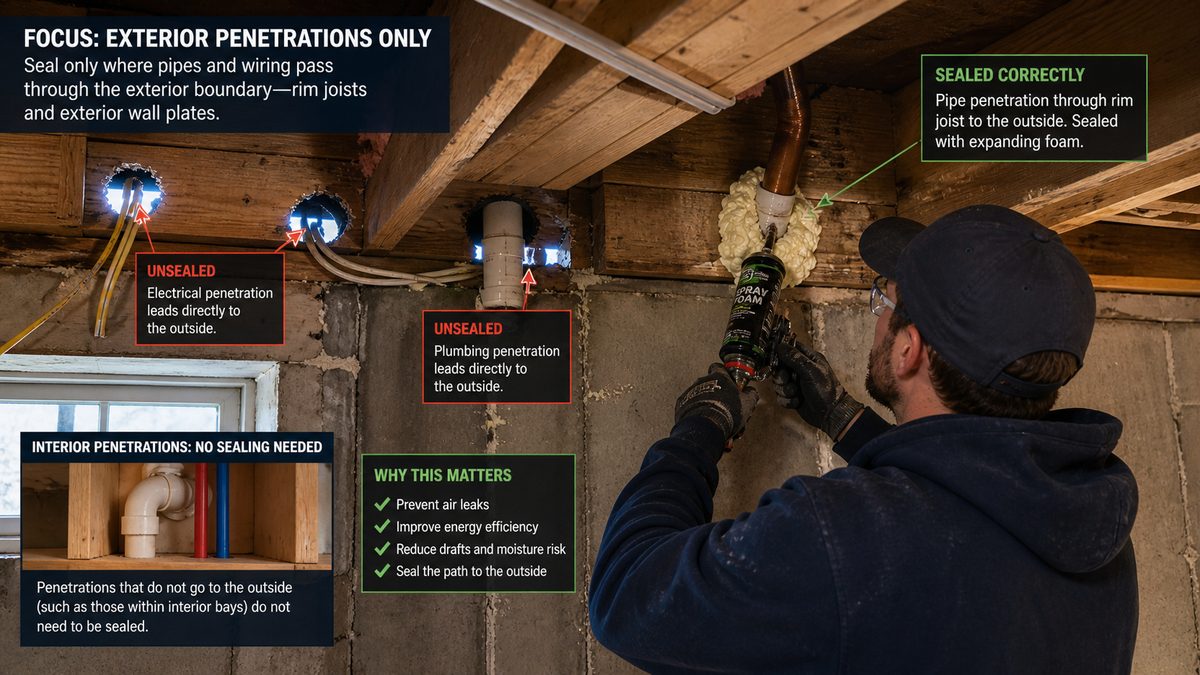
Connecticut homes — especially pre-1980 construction — tend to be leaky by modern standards. That's not an insult to the builders who put them up. It's just that air sealing wasn't a priority back then the way it is now. A renovation is your opportunity to bring that part of the house into the current century without a standalone project. If you're weighing whether to tackle air sealing before the drywall goes back up, that post lays out exactly how to sequence the work.
Energize CT Rebates Apply Here Too
One thing a lot of Connecticut homeowners don't realize is that insulation work done during a renovation can still qualify for Energize CT rebates — as long as the work meets the program requirements. You don't have to be doing a standalone insulation project to be eligible.
The key is making sure the work is done by a participating contractor and that the installation meets the specs the program requires. Rebates are available for attic insulation, wall insulation, basement insulation, and air sealing, which covers most of what comes up during a typical renovation project.
A few things worth knowing before you assume the rebate will apply automatically:
- The work needs to be verified. Energize CT programs typically require a pre- and post-installation assessment, or at minimum documentation of what was installed and where. Don't assume the rebate is automatic — confirm the process with your contractor before work starts.
- Timing matters. If you're planning to insulate as part of a larger renovation, loop in your insulation contractor early. Getting the rebate paperwork started before the walls close up is a lot easier than trying to document work after the fact.
- Not every material or assembly qualifies. The program has minimum R-value requirements and approved materials. Your contractor should be familiar with what qualifies — if they're not, that's a flag.
For a Connecticut homeowner doing a kitchen remodel, a basement finish, or an addition, the rebate potential can meaningfully offset the insulation cost. It's worth a conversation before the project starts, not after the drywall is up.
What are the Energize CT rebates available to Connecticut homeowners right now?
Frequent Questions About Insulating During a Renovation
Do I need a permit to add insulation during a renovation in Connecticut?
In most cases, adding insulation as part of a larger permitted renovation doesn't require a separate insulation permit — the work falls under the scope of the existing renovation permit. That said, permit requirements vary by municipality in Connecticut, and if insulation is being added as a standalone scope item rather than part of a broader project, some towns may require documentation or inspection. The safest approach is to ask your contractor and confirm with your local building department before work starts. A good contractor will already know what's required in your town and will factor it into the project scope.
Can I install insulation myself during a renovation, or do I need a contractor?
For basic batt insulation in open stud bays — fiberglass or mineral wool — a competent DIYer can handle the installation. The material is straightforward, it's available at any home improvement store, and the installation process is well-documented. Where it gets more complicated is air sealing, spray foam application, and anything involving dense-pack cellulose. Closed-cell spray foam in particular requires proper equipment, training, and protective gear — it's not a DIY-friendly product. For a renovation where you want the insulation to actually perform the way it should, and where you may want to qualify for Energize CT rebates, a professional installation is the smarter call. Rebate programs typically require contractor documentation anyway.
Is DIY insulation actually cheaper, or does it cost more in the long run?
What R-value do I need for exterior walls in Connecticut?
Connecticut follows the International Energy Conservation Code for Climate Zone 5A. For exterior walls, the minimum R-value requirement is R-20 for continuous insulation or R-13 plus R-5 continuous for cavity-plus-continuous assemblies. In practical terms, a standard 2x4 stud bay filled with mineral wool batt gets you to about R-15, which meets the cavity-only minimum but leaves room for improvement. If you're doing a renovation that allows for any exterior continuous insulation layer — even a thin layer of rigid foam board under new siding — that's worth discussing with your contractor. A 2x6 wall cavity filled with high-density fiberglass or mineral wool can reach R-21 or better, which is a strong performer for Connecticut winters.
Will adding insulation during a renovation slow down my project timeline?
In most cases, no — or not meaningfully. Insulation installation in open wall cavities is a relatively fast operation. Batt insulation in a standard room can go in within a day. Spray foam work on rim joists or targeted air sealing adds a few hours at most. The more important timing consideration is sequencing: insulation needs to go in after rough mechanical work (electrical, plumbing, HVAC) is complete and inspected, but before drywall. If your contractor schedules the insulation work to happen in that window, it adds little to no time to the overall project. Where timelines do get affected is when insulation isn't planned for in advance and has to be retrofitted into a schedule that was built without it.
Does new insulation installed during a renovation qualify for Energize CT rebates?
It can, but eligibility depends on a few factors. The work generally needs to be performed by a participating Energize CT contractor, meet minimum R-value thresholds, and be documented properly. The fact that the insulation is being done as part of a larger renovation doesn't disqualify it — what matters is whether the installation itself meets program specifications. The most important step is to contact a participating Energize CT contractor before the renovation begins, not after. Once the walls are closed and the project is done, it becomes much harder to document the work in a way that satisfies rebate requirements. Getting the conversation started early gives you the best shot at capturing whatever rebate value is available.
The Window Closes When the Drywall Goes Up
A renovation is one of the few times the stars align for insulation work. The access is there, the disruption is already happening, and the incremental cost of insulating while the walls are open is a fraction of what it would be as a standalone project later. For a Connecticut home — especially anything built before 1980 — that's an opportunity worth taking seriously.
The homes that end up most comfortable and cheapest to heat aren't necessarily the ones that got a full insulation overhaul on their own. A lot of them got there incrementally, one renovation at a time, because someone made the call to insulate while the walls were already open.
It doesn't have to be perfect. It doesn't have to be every wall at once. It just has to happen before the drywall goes back up — because once it does, the window closes.
If you've got a renovation coming up and you want to know what's worth addressing while you have access, that's exactly the kind of conversation we have every day. We'll tell you what's worth doing, what can wait, and what the realistic cost looks like given what's already open.
👉 Contact Nealon Insulation — if you've got a renovation coming up, let's talk about what's worth insulating while the walls are already open.
Related Articles
Let's Work Together
Ready to transform your home into an energy-efficient haven? Schedule your free energy assessment today and experience the Nealon difference for yourself.