
Adding Insulation to an Existing Home: What Works, What It Costs, and Where to Start
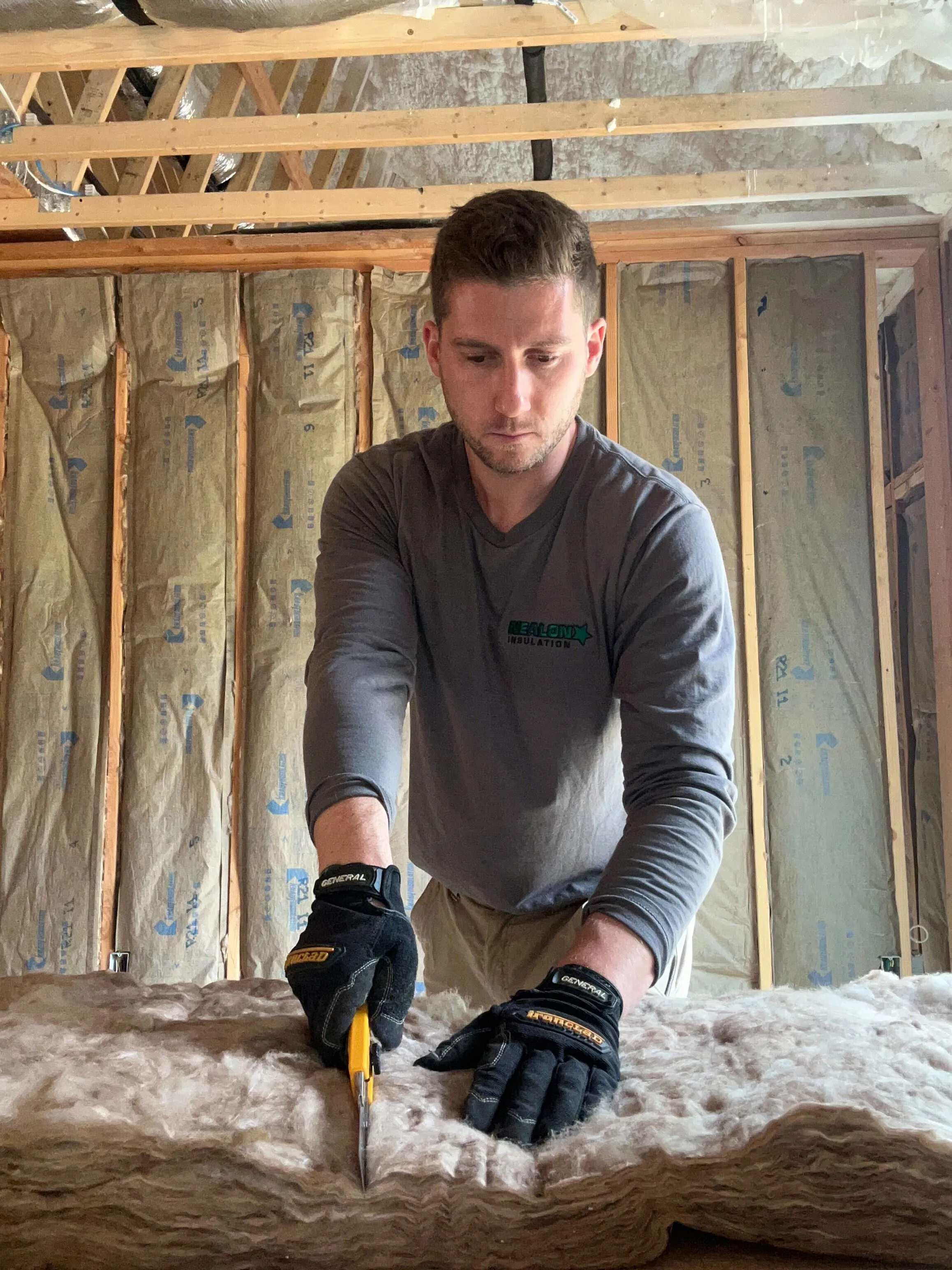
If your home feels drafty in winter, stuffy in summer, or expensive to heat and cool year-round, insulation is usually part of the story. The good news is that you don’t need to gut your house or start over to fix it.
Adding insulation to an existing home is not only possible—it’s common. The key is knowing where insulation actually helps, which upgrades deliver the best return, and how to avoid spending money on fixes that don’t move the needle.
This guide walks through what homeowners need to know before upgrading insulation in a finished, lived-in house.
Can You Add Insulation to an Existing Home?
Short answer: yes—and it’s done every day.
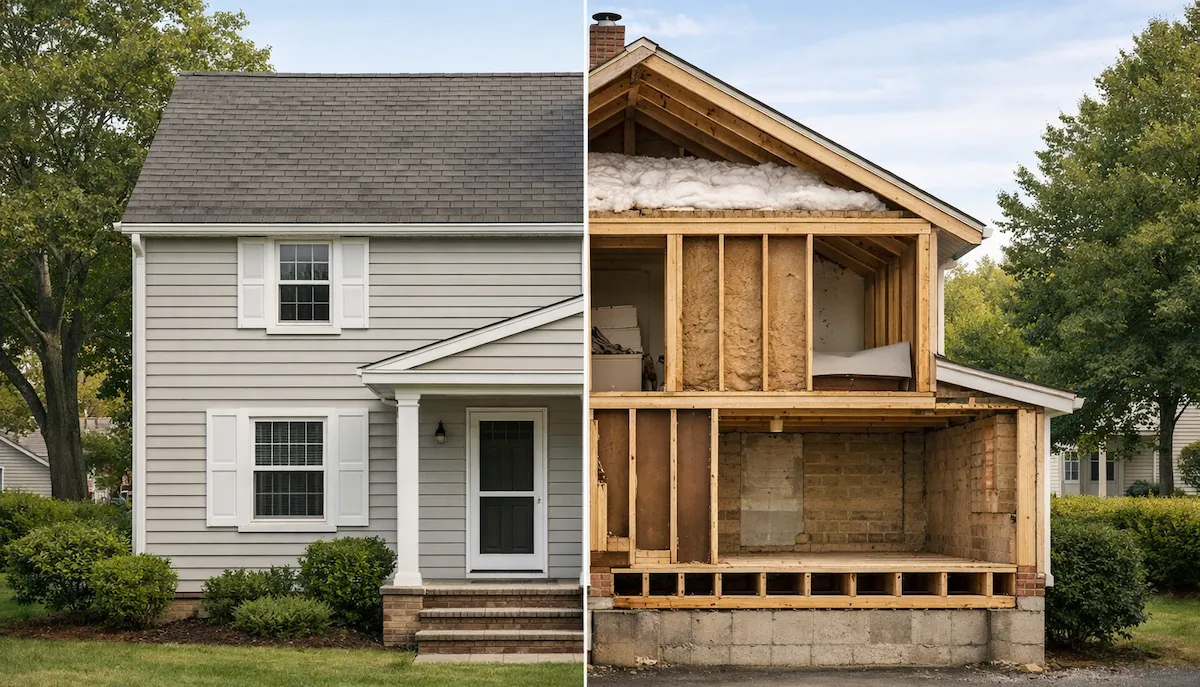
Most homes were built long before today’s insulation standards existed. That means upgrading insulation after construction isn’t unusual; it’s the norm. Attics, walls, basements, and crawl spaces can all be insulated or improved without tearing the house apart, and often with far less disruption than homeowners expect.
This type of work is known as retrofit insulation—adding or improving insulation in a house that’s already finished. Contractors use methods designed specifically for existing homes, such as blown-in insulation for walls, attic top-offs, and targeted air sealing, so drywall removal and major demolition are usually unnecessary.
It’s also not limited to very old houses. Even homes built in the 1990s or early 2000s often fall short of current recommendations, especially in attics and rim joist areas.
The real question isn’t can insulation be added. It’s:
- Where it makes the most sense
- Which method works best for your house
- Whether the upgrade will actually improve comfort and energy use
That’s what the rest of this guide covers.
Should you air seal or insulate first?
Why Existing Homes Often Need Insulation Upgrades
Most homes aren’t under-insulated because someone made a mistake. They’re under-insulated because the rules changed.
Decades ago:
- Energy was cheaper
- Building codes were looser
- Insulation was treated as a bonus, not a system
As a result, many homes were built with:
- Minimal attic insulation
- Empty or partially filled wall cavities
- Uninsulated basements and crawl spaces
Even when insulation exists, it may no longer be doing its job. Settling, moisture exposure, and air leakage all reduce performance over time.
Homeowners usually feel the symptoms first:
- Cold rooms or floors in winter
- Hot second floors in summer
- Persistent drafts
- Heating and cooling systems that run constantly
- Energy bills that keep climbing
These aren’t random problems. They’re signs that heat is moving freely through parts of the home that were never properly insulated or sealed.
Cold House, High Bills? Upgrade Insulation and Cut Winter Heating Costs Fast
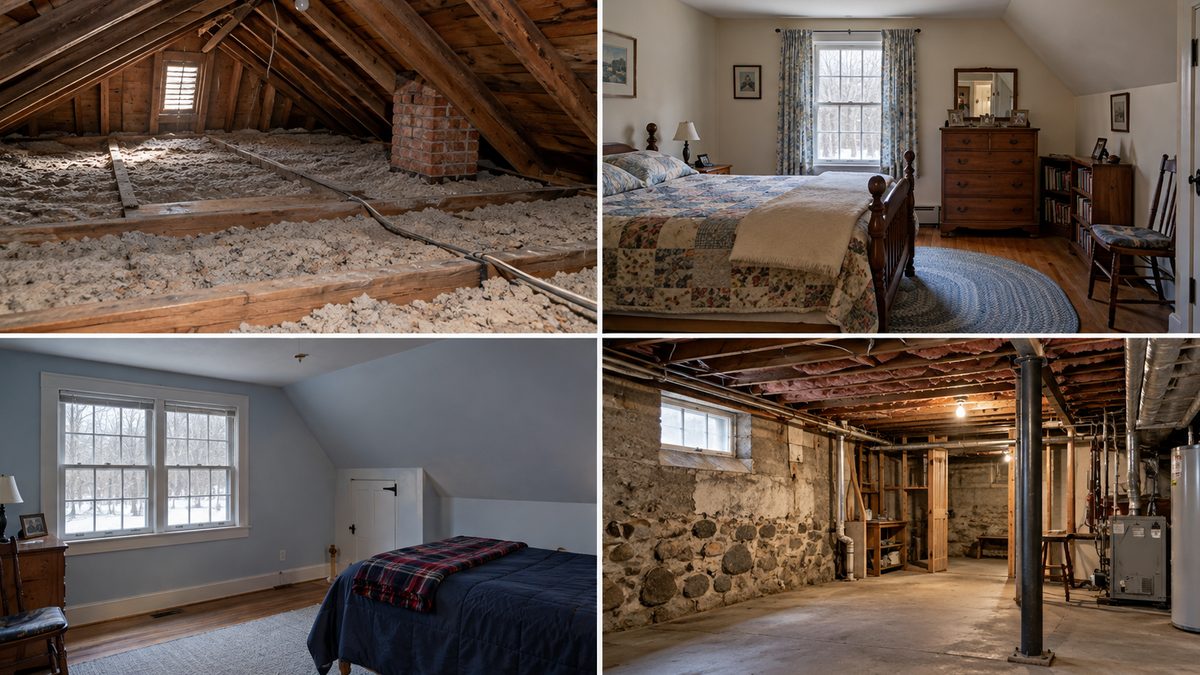
The Best Places to Add Insulation in an Existing Home
Not all insulation upgrades are created equal. In an existing home, the goal isn’t to insulate everything at once—it’s to prioritize the areas with the biggest impact.
In most homes, energy loss follows a predictable pattern:
- Warm air escapes from the top
- Cold air enters low
- Large hidden cavities leak heat if left untreated
That’s why these areas typically matter most:
- Attics – usually the biggest and fastest win
- Walls – large surface area, often empty in older homes
- Basements and crawl spaces – major sources of drafts and cold floors
A professional evaluation helps determine which of these should come first, rather than guessing or spreading a budget too thin.
Adding Attic Insulation to an Existing Home
If you’re upgrading insulation, the attic is almost always the starting point.
Warm air rises, and in under-insulated homes it escapes straight through the attic floor. Many older homes still have only a few inches of insulation—far below current recommendations.
Common attic issues include:
- Insulation that has settled or shifted
- Uneven coverage
- Gaps around wiring, plumbing, and attic hatches
Adding attic insulation is usually straightforward. In many cases, new insulation can be added over what’s already there, as long as it’s dry and in reasonable condition. Blown-in insulation is commonly used because it fills gaps and installs quickly with minimal disruption.
Just as important is air sealing. Sealing leaks before adding insulation is what turns an attic upgrade from “more material” into real performance improvement.
Homeowners often notice:
- Fewer drafts
- More even temperatures between floors
- Reduced heating and cooling run times
Adding Wall Insulation Without Removing Drywall
Walls are one of the most misunderstood parts of insulation upgrades. Many homeowners assume wall insulation means opening walls. In most cases, it doesn’t.
In older homes, wall cavities are often empty. Modern retrofit methods allow insulation to be added by drilling small access holes from the interior or exterior, filling the cavities, and sealing the openings afterward.
This approach:
- Avoids major demolition
- Targets the entire wall cavity
- Reduces drafts and cold exterior walls
Wall insulation isn’t always the first upgrade to make. If attic insulation and air sealing haven’t been addressed, wall insulation alone may underperform. But when walls are a major source of heat loss, the comfort improvement can be significant.
How to insulate without removing sheetrock.
Basement and Crawl Space Insulation in Existing Homes
Basements and crawl spaces influence comfort more than most homeowners realize.
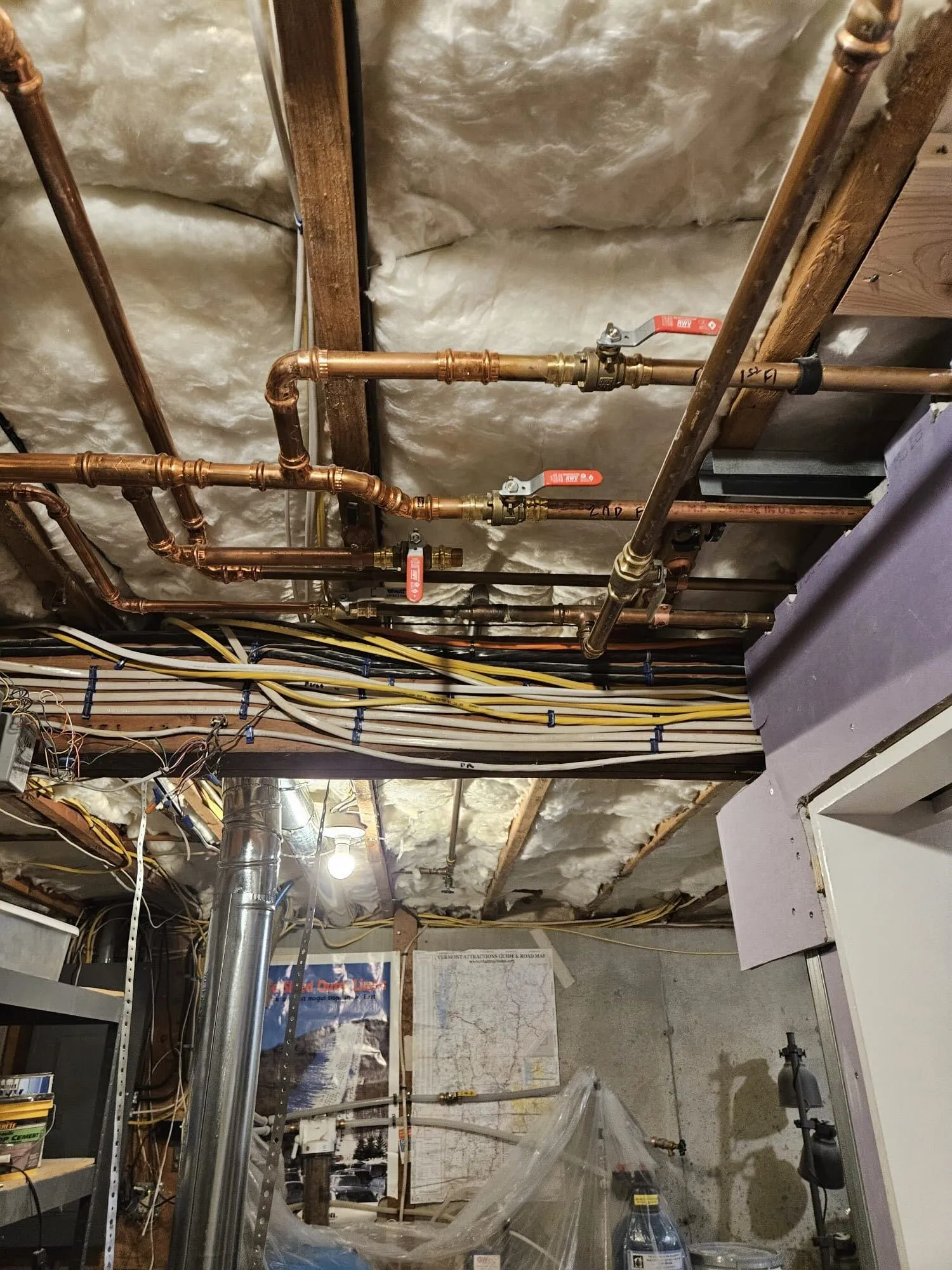
Uninsulated foundation areas allow cold air to enter the home, which is why first floors often feel chilly. One of the biggest problem areas is the rim joist, where the foundation meets the framing.
Insulating and air sealing these lower areas can:
- Reduce drafts
- Warm floors above
- Help control moisture
In crawl spaces, insulating walls and sealing vents often performs better than insulating the floor alone, especially in damp or coastal conditions.
When combined with attic and wall upgrades, basement and crawl space insulation helps complete the building envelope.
Best Insulation Types for Existing Homes
There is no single “best” insulation—only the best fit for a specific area.
Common options include:
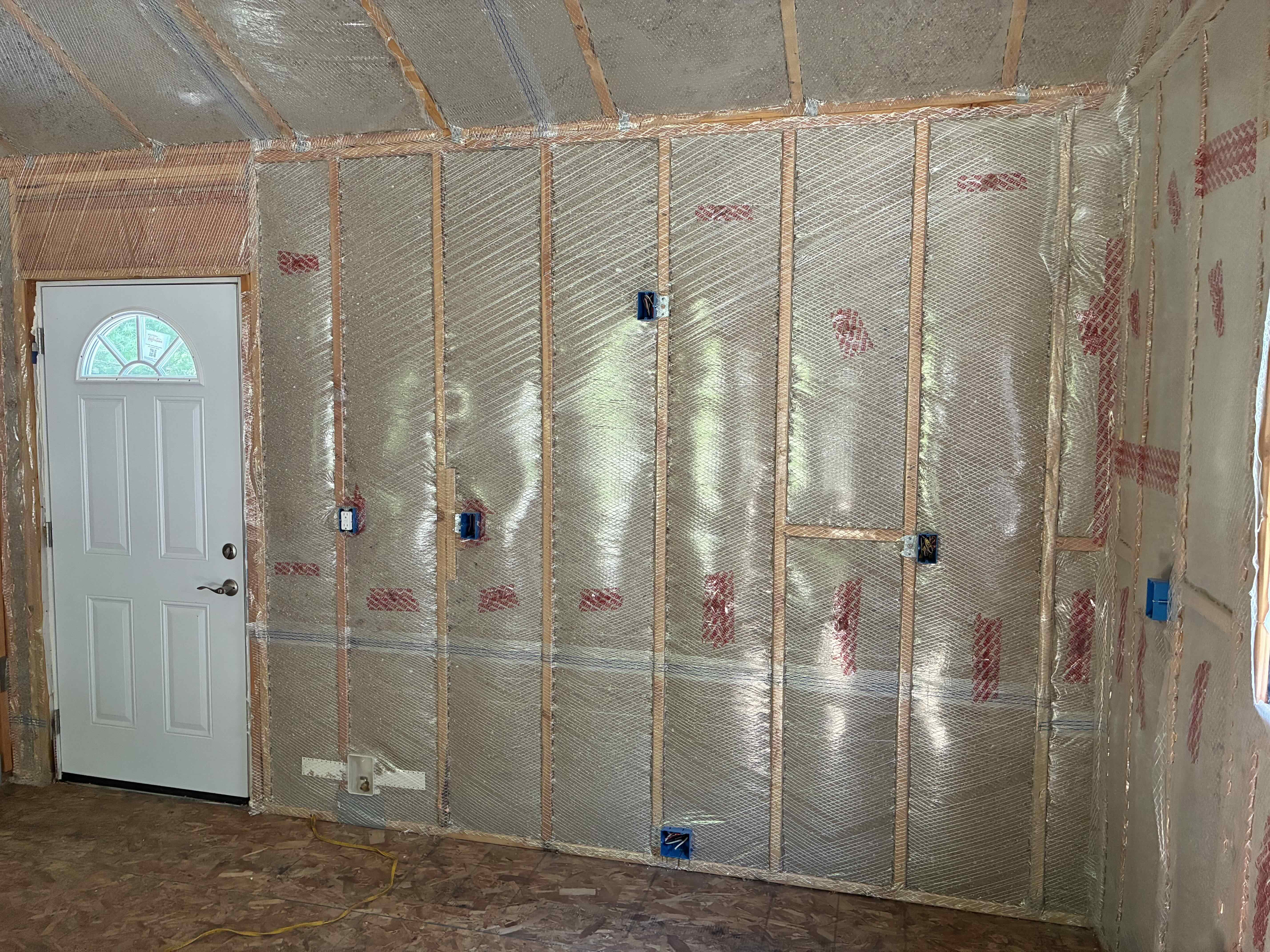
- Blown-in insulation for attics and walls
- Dense-pack insulation for wall cavities
- Spray foam for rim joists, basements, and complex framing areas
Each material has strengths. The mistake homeowners make is choosing products based on marketing claims rather than matching materials to the problem they’re trying to solve.
Good insulation plans consider material, location, and air sealing together.
How Much Does It Cost to Add Insulation to an Existing Home?
Costs vary because homes vary. Factors include:
- Size and layout of the home
- Existing insulation levels
- Areas being upgraded
- Access and installation method
In general:
- Attic insulation is usually the most affordable and impactful
- Wall insulation costs more due to labor and precision
- Basement and crawl space costs depend heavily on conditions
The lowest price is rarely the best value. Poor installation and skipped air sealing often lead to disappointing results and future rework.
Get ballpark pricing with our pricing calculator
Is Adding Insulation Worth It in an Older Home?
For most homeowners, yes—but comfort is usually the biggest payoff.
Benefits often include:
- More consistent indoor temperatures
- Fewer drafts
- Lower heating and cooling demand
- Improved moisture control
Insulation isn’t magic, and it works best as part of a broader building-performance approach. When upgrades are prioritized correctly, most homeowners find the investment well worth it.
How Disruptive Is Adding Insulation to an Existing Home?
Less than most people expect.
- Attic work happens above the living space
- Wall insulation uses small access points, not open walls
- Basement and crawl space work stays in utility areas
Most projects take one to a few days, and homeowners can usually remain in the house during the work.
Common Mistakes Homeowners Make When Upgrading Insulation
The most common pitfalls include:
- Skipping air sealing
- Insulating low-impact areas first
- Choosing products instead of solutions
- Ignoring moisture and ventilation issues
Avoiding these mistakes is often the difference between a good result and a disappointing one.
Why Remove Old Insulation? Top 6 Reasons to Start Fresh
How to Get Started with Insulation Upgrades in Your Home
The best insulation projects start with an evaluation, not a product.
A proper assessment looks at:
- Attic insulation depth
- Wall cavities
- Air leakage points
- Rim joists and foundation areas
- Moisture and ventilation conditions
From there, upgrades can be prioritized logically so each improvement builds on the last.
Adding insulation to an existing home doesn’t have to be complicated. With the right plan, it’s one of the most practical ways to improve comfort, efficiency, and long-term performance.
👉 Not sure where your home is losing energy? Contact Nealon Insulation.
FAQs about Adding Insulation
Do I need an energy audit before adding insulation, or can I skip it?
You should get an energy audit before adding insulation. An energy audit identifies where your home loses energy, how much insulation already exists, and whether air leaks or moisture issues need fixing first. Skipping the audit often leads to wasted spending and limited comfort or energy savings.
How do I know if my existing insulation needs to be removed before adding more?
Existing insulation should be removed before adding more if it is wet, moldy, pest-damaged, contaminated, or severely compacted. Damaged insulation loses effectiveness and can trap moisture or pollutants. A professional inspection determines whether insulation can stay, needs repair, or must be fully removed.
Will adding insulation affect my home’s ventilation or indoor air quality?
Adding insulation can affect ventilation and indoor air quality because it reduces air leakage and tightens the home. A tighter home improves energy efficiency but requires proper ventilation to manage moisture and fresh air. When evaluated correctly, insulation upgrades usually improve indoor air quality.
How soon will I notice results after adding insulation?
Most homeowners notice comfort improvements immediately after adding insulation, especially after attic air sealing. Temperatures feel more consistent, drafts decrease, and HVAC systems run less often. Energy bill savings typically become clear within one full heating or cooling season under sustained weather conditions.
How do I know if a contractor’s insulation recommendation is actually right for my home?
A contractor’s insulation recommendation is right if it is based on an on-site inspection, not square footage alone. The contractor should explain where insulation is missing, why those areas matter, and how upgrades improve comfort and efficiency. Generic, material-only recommendations signal poor evaluation.
Questions to ask before hiring an insulation contractor.
Related Articles
Let's Work Together
Ready to transform your home into an energy-efficient haven? Schedule your free energy assessment today and experience the Nealon difference for yourself.