
Average Energy Savings in Connecticut Homes After Insulation
If you’ve ever wondered whether insulation actually saves money, or how much it really saves in Connecticut, you’re not alone. Homeowners hear plenty of big promises, but rarely see numbers that feel realistic.
This article breaks down what Connecticut homeowners typically save after insulation, why local results differ from national averages, and what factors actually move the needle on energy bills. No theory. No fluff. Just practical insight based on how Connecticut homes behave.
Why Insulation Savings Look Different in Connecticut
If you’ve ever Googled insulation savings, you’ve probably seen tidy national averages that promise big percentage drops in energy bills. The problem is those numbers rarely reflect what actually happens in a Connecticut home.
Connecticut is a different animal.
We have:
- Long heating seasons
- Above-average energy costs
- An older housing stock built before modern insulation standards
Many homes—especially older colonials, capes, and shoreline properties—have thin attic insulation, empty wall cavities, and leaky basements. When that’s the starting point, insulation isn’t fine-tuning efficiency. It’s correcting real heat loss.
That combination changes the math. In warmer states, insulation savings can be incremental.
In Connecticut, insulation often fixes obvious energy problems. When warm air stops pouring out of the attic or leaking through walls, heating systems simply don’t have to work as hard—or as long.
Utility programs in Connecticut also matter. Through Energize CT, insulation work is typically paired with air sealing and performance standards.
That means savings are often based on measured utility usage before and after improvements, not best-case estimates.The result is that Connecticut homeowners often see higher dollar savings than national averages suggest—especially in homes that were under-insulated to begin with.
The Average Energy Savings Connecticut Homeowners See After Insulation
When you look at Connecticut-specific data, a consistent range shows up.
Most Connecticut homeowners who upgrade insulation save roughly $300–$400 per year on energy costs.
That number reflects real outcomes tied to actual utility bills—not marketing claims. It usually comes from a combination of improvements, not a single upgrade:
- Attic insulation
- Wall insulation
- Basement or rim joist sealing
- Targeted air sealing
Insulation slows heat loss. Air sealing stops warm air from escaping altogether. Together, they reduce how often heating systems run during Connecticut’s long winter stretch.
Energy prices also amplify results. When fuel and electricity costs are already high, even moderate reductions in usage create meaningful dollar savings. A 15–25% reduction in heating demand goes further here than it does in many other states.
The key takeaway: insulation doesn’t usually slash bills overnight, but it reliably lowers energy costs every year while improving comfort at the same time.
Energy Savings by Area of the Home
Not all insulation upgrades deliver the same return. In Connecticut homes, savings follow the path of heat loss. Your savings depend on what area of the home you insulate.
Attic Insulation Energy Savings in Connecticut
The attic is usually the biggest opportunity.
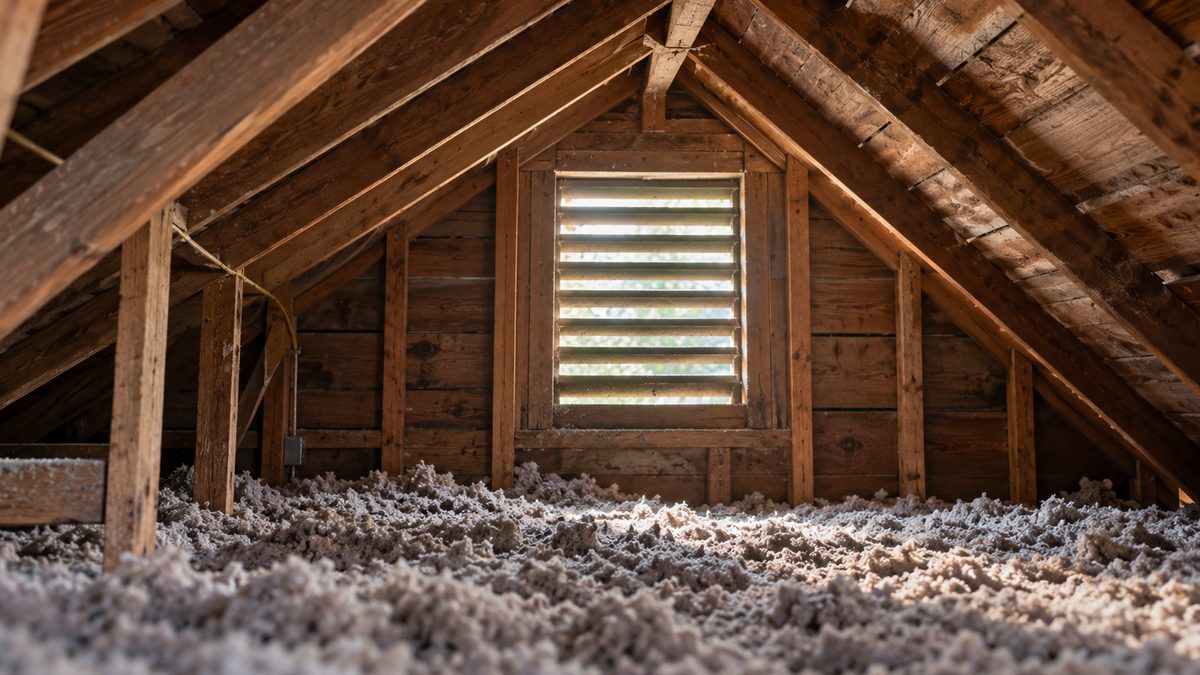
Warm air rises, and in many Connecticut homes it escapes straight through under-insulated attic floors. Older homes often have just a few inches of insulation—far below current recommendations.
Upgrading attic insulation often accounts for the largest share of energy savings, while also:
- Reducing drafts
- Evening out temperatures between floors
- Helping prevent ice dams caused by heat escaping into the roof
Wall Insulation Energy Savings in CT Homes
Walls make up the largest surface area of the home, but they’re also the hardest place to add insulation after construction. That’s why so many older Connecticut homes still have empty wall cavities.
When walls are uninsulated, heat loss is constant. Adding insulation:
- Reduces heating demand
- Eliminates cold exterior walls
- Improves comfort room by room
Wall insulation tends to deliver steady, long-term savings rather than dramatic short-term drops—but its impact is significant, especially in older homes.
Basement and Crawl Space Insulation Savings
Basements and crawl spaces matter more than most homeowners expect.
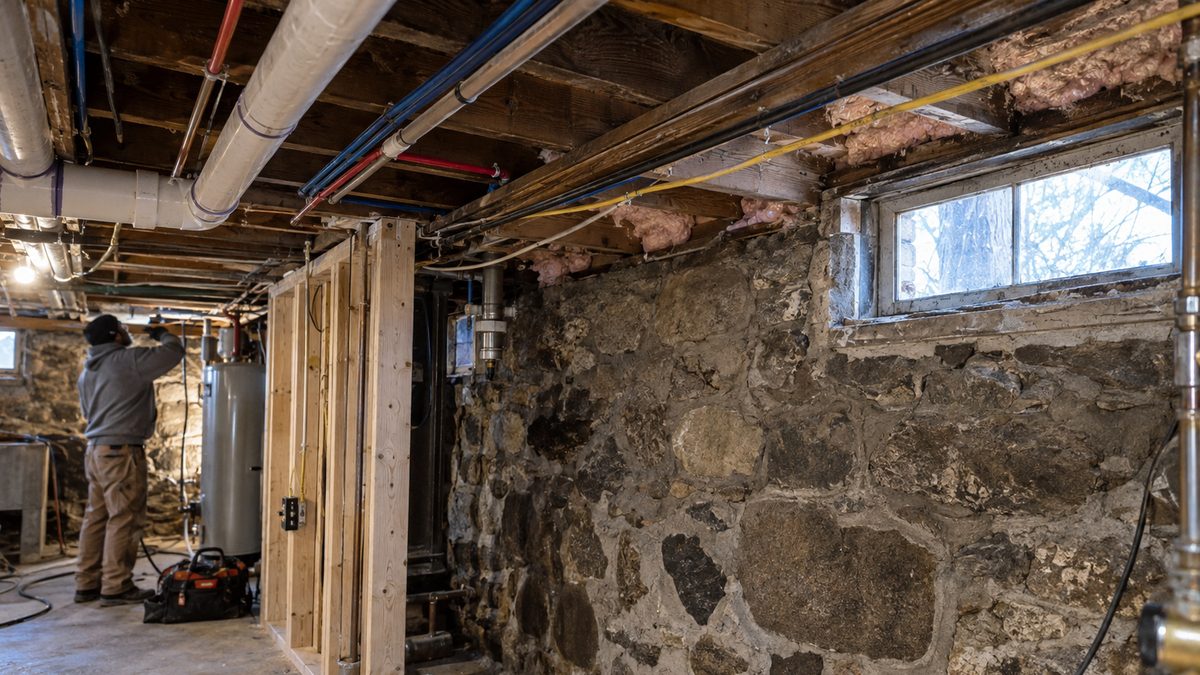
Cold foundation walls and leaky rim joists allow heat to escape at ground level, leading to cold floors and uneven comfort. Insulating these areas:
- Helps lock in savings from attic and wall upgrades
- Improves first-floor comfort
- Reduces drafts
On their own, basement upgrades may deliver smaller savings—but combined with attic and wall insulation, they help stabilize the entire home.
How Air Sealing Changes Insulation Savings
Insulation slows heat loss. Air sealing stops it from escaping in the first place.
In Connecticut homes, that distinction matters.
Many older houses are full of hidden gaps:
- Attic penetrations
- Rim joists
- Plumbing and wiring chases
If warm air is leaking out through those openings, insulation alone can’t perform at its rated value.
That’s why insulation projects that include air sealing consistently outperform insulation-only upgrades. Air sealing:
- Reduces uncontrolled airflow
- Allows insulation to work as intended
- Improves comfort immediately
This is also why Connecticut efficiency programs emphasize air sealing first, insulation second. When the home is tighter, energy savings become more predictable—and often higher.
What are the costs to air seal a house?
Does the Type of Insulation Affect Energy Savings?
Homeowners often expect a clear winner: cellulose vs fiberglass vs spray foam.
The reality is simpler.
Energy savings depend more on coverage, R-value, and air sealing than on insulation material.
If two homes end up equally insulated and equally sealed, their savings will be very similar—even if different materials were used.
That said, materials influence how reliably that performance is achieved:
- Cellulose fills cavities well and reduces air movement
- Fiberglass performs well when installed carefully and paired with air sealing
- Spray foam adds insulation and air sealing together, making it useful in leaky areas like rim joists or rooflines
The best insulation isn’t defined by the label—it’s defined by how well it’s installed and where it’s used.
How Long Does It Take for Insulation to Pay for Itself in Connecticut?
For many Connecticut homeowners, insulation pays for itself in about 3 to 5 years.
Homes with little existing insulation often see faster payback, especially when:
- Energy bills are high
- Energize CT rebates reduce upfront costs
Unlike mechanical systems, insulation doesn’t wear out. Once installed correctly, it keeps saving energy year after year with no maintenance.
And while payback calculations focus on dollars, they ignore benefits homeowners feel immediately:
- Warmer floors
- Fewer drafts
- More consistent temperatures
Those comfort gains are part of the return—even if they don’t show up on a utility bill.
Check out the ROI insulation calculator to see your pay back period.
What Impacts Your Actual Energy Savings the Most?
No two Connecticut homes save exactly the same amount. The biggest factors are:
- Age of the home – older homes usually save more
- Existing insulation levels – lower starting points mean higher potential
- Heating fuel type – oil and electric homes often see higher dollar savings
- Air leakage – leakier homes benefit more from sealing
- Project scope – comprehensive upgrades outperform piecemeal fixes
Savings aren’t about averages. They’re about how your specific home loses energy.
Why Connecticut Energy Programs Matter When Calculating Savings
Connecticut energy programs don’t just offer rebates—they set standards.
Insulation work is guided by requirements for coverage, depth, and air sealing. Savings are often evaluated using actual utility billing data, not assumptions.
That consistency matters. It makes outcomes more repeatable and expectations more realistic.
Rebates also encourage homeowners to complete comprehensive projects, which almost always outperform isolated upgrades. The result is insulation that actually performs the way it should.
Is your home eligible for Energize CT rebates?
How Insulation Savings Differ by Heating Type in Connecticut Homes
Not all Connecticut homes save the same amount from insulation. One of the biggest drivers of dollar savings is what you heat with.
Because insulation reduces energy use by a percentage, homes with higher fuel costs per unit see larger dollar savings from the same improvements.
Insulation Savings in Oil-Heated Connecticut Homes
Oil-heated homes typically see the highest dollar savings from insulation.
Heating oil is one of the most expensive fuels in Connecticut, and many oil-heated homes are older and under-insulated. When insulation reduces heat loss, it directly cuts fuel consumption during a long heating season.
Based on Connecticut modeling and cold-climate efficiency data:
- Typical annual savings: roughly $400 to $700 per year
- Homes with little existing insulation can exceed this range
- Attic insulation, wall insulation, and air sealing deliver the biggest impact
For oil-heated homes, insulation often pays for itself faster than almost any other energy upgrade.
Insulation Savings in Natural Gas–Heated Connecticut Homes
Natural gas homes still see strong savings, though the dollar amounts are usually lower than oil because fuel costs per unit are lower.
That said, gas-heated homes make up a large portion of Connecticut’s housing stock, and insulation consistently reduces heating demand.
Typical results include:
- Annual savings: roughly $250 to $400 per year
- Strong performance when attic insulation and air sealing are done together
- Noticeable comfort improvements even when savings are moderate
For gas homes, insulation is often the most reliable way to lower bills without replacing equipment.
Insulation Savings in Electric-Heated Connecticut Homes
Electric-heated homes—especially those using electric resistance heat—can see significant dollar savings from insulation.
Electricity rates in Connecticut are among the highest in the country. When insulation reduces heating load, the financial impact is immediate.
Typical outcomes include:
- Annual savings: roughly $300 to $600 per year
- Particularly strong results in homes with electric baseboards or older systems
- Improved comfort and reduced cycling are common side benefits
Homes with high electric heating usage often benefit disproportionately from insulation upgrades.
Why These Ranges Are Realistic
These savings ranges align with:
- Connecticut-specific modeling from the National Renewable Energy Laboratory’s ResStock analysis, which estimates savings by upgrade type in Connecticut’s climate
- Results from Connecticut utility efficiency programs, which use utility billing analysis to validate energy reductions
The exact outcome depends on starting insulation levels, air leakage, and project scope, but these ranges reflect what typically happens, not best-case scenarios.
The Bottom Line for Connecticut Homeowners
Insulation reduces energy use in every home.
The difference is how much that reduction is worth in dollars.
- Oil homes usually save the most
- Electric homes often save more than expected
- Gas homes still see consistent, predictable reductions
Across all fuel types, insulation delivers recurring annual savings, improved comfort, and protection against rising energy costs—making it one of the safest efficiency investments for Connecticut homeowners.
Ready to See What Insulation Could Save in Your Home?
If you want real numbers instead of estimates, the next step is simple.
👉 Contact Nealon Insulation.
FAQ's on Energy Savings in Connecticut
Will insulation still save money if my home already has some insulation?
Yes, insulation can still save money even if your home already has some insulation. Many older homes are under-insulated by current standards, especially in attics and walls. Adding insulation to proper depth and sealing air leaks improves energy efficiency, lowers utility bills, and increases comfort.
How do I know if insulation is the right upgrade compared to replacing windows or a heating system?
Insulation is usually the right upgrade before replacing windows or a heating system. Insulation reduces energy loss at the source, allowing heating systems to run efficiently and improving comfort immediately. In most Connecticut homes, insulation delivers a faster, more reliable return than windows or mechanical upgrades.
Will insulation upgrades disrupt my home or require me to leave?
Most insulation upgrades cause minimal disruption and usually do not require homeowners to leave. Attic, wall, and basement insulation is typically completed in one to two days with limited access to living spaces. Professional contractors plan projects to control dust, noise, and downtime in occupied homes.
Can insulation really help with cold rooms and uneven temperatures?
Yes, insulation helps resolve cold rooms and uneven temperatures. These comfort issues are usually caused by heat loss through walls, floors, and ceilings—not heating system problems. Insulation and air sealing keep heat inside the home, reduce drafts, and balance temperatures between rooms, often producing immediate comfort improvements.
How do I know if an insulation contractor is doing the right work for savings, not just adding material?
You know an insulation contractor is focused on savings when they evaluate whole-home performance, not just add insulation. A qualified contractor identifies air leaks, targets major heat-loss areas, and installs insulation to proper depth and coverage. They clearly explain where energy is lost, what fixes matter, and why those upgrades improve efficiency and comfort.
Related Articles

Let's Work Together
Ready to transform your home into an energy-efficient haven? Schedule your free energy assessment today and experience the Nealon difference for yourself.