
What to Expect on Insulation Installation Day
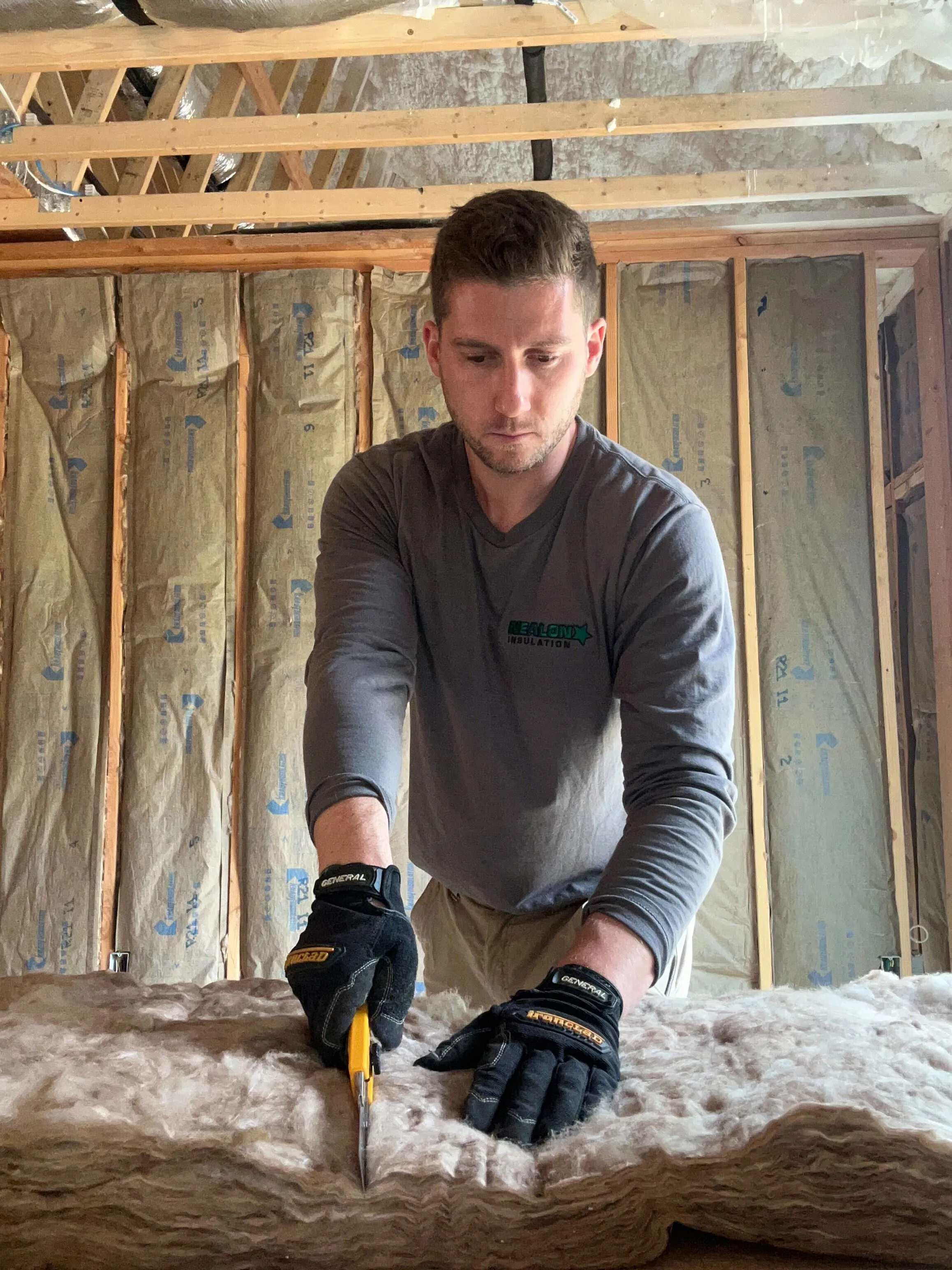

You scheduled the job, picked the material, signed the paperwork. Now it's the night before and you're wondering what tomorrow actually looks like — how long the crew will be there, whether you need to leave, what the house is going to smell like, and how you'll know when it's actually done right.
It's a reasonable thing to wonder. Having a crew in your home with equipment you've never seen, working in spaces you rarely access, doing something you can't fully supervise — that's not nothing. Most homeowners have no frame of reference for what an insulation installation day looks like from start to finish.
This post walks you through the whole thing. What to do the day before. What happens when the crew shows up. How long different project types actually take. What's going on inside your attic or crawl space while the work is happening. Whether you can stay home — and when you really shouldn't. And what a properly finished job looks like before anyone signs off.
Whether you're getting blown-in insulation in an older shoreline colonial, spray foam in a damp crawl space, or a full attic air seal and insulation package, the process has a logic to it. Once you understand that logic, installation day goes from something you're dreading to something you can actually prepare for.
Before the Crew Arrives — What You Should Do the Day Before
Most of the work on installation day happens fast. The prep you do the day before is what keeps things from slowing down — or turning a half-day job into a full-day one.
Clear the path to the work area. If we're doing attic work, make sure the hatch is accessible. That means moving anything stored directly under it — boxes, clothing racks, that treadmill you've been meaning to use. For crawl space or basement work, clear a path to the access point. Crews carry equipment, hoses, and material bags. A clear path isn't just convenient — it's a safety thing.
Move your vehicles. We typically pull a truck and sometimes a trailer right up to the house. If your driveway is blocked, we're either parking on the street and carrying equipment further than we need to, or we're asking you to move cars at 7am. Neither is a great start to the day.
Secure your pets. This one matters more than people realize. Insulation equipment is loud. Hoses run through hallways. Doors get propped open. A nervous dog or a curious cat can turn into a real problem mid-job. Put them in a room away from the work, or make arrangements to have them out of the house entirely.
Cover anything you care about near the work zone. Blown-in insulation — whether fiberglass or cellulose — produces fine dust and loose material. We take care to minimize it, but attic hatches get opened, and some of that travels. A sheet over furniture near the hatch goes a long way.
Your Nealon crew will reach out ahead of the job with specific instructions based on your project. If you're curious about how we put together the scope before we show up, here's a look at how we build an insulation estimate.
Wondering how we put together your estimate — and what we're looking for before we quote a job? Read more
What Happens When the Crew Shows Up
The first thing we do when we arrive isn't start spraying or blowing anything. It's talk.
The lead installer will do a walk-through with you before a single piece of equipment gets unloaded. This is where we confirm the scope, point out access locations, and make sure nothing has changed since the estimate. If we quoted attic blown-in and there's now a water stain on the ceiling we didn't see before, we want to know about it before we cover anything up.
What the crew is looking for before work starts:
- Existing insulation depth and condition — is what's there worth keeping, or does it need to come out first?
- Signs of moisture or active leaks — insulation and water don't mix, and installing over a moisture problem just buries it
- Air leaks at the attic floor — bypasses around recessed lights, top plates, plumbing chases — these get sealed before insulation goes in
- Ventilation — making sure soffit vents are clear and that we're not about to block airflow we need to preserve
Once the walk-through is done, the crew sets up equipment. For blown-in jobs, that means a blowing machine in the driveway or truck bed, with hoses running up to the attic. For spray foam, you'll see proportioner equipment, hoses, and the installer suiting up in full protective gear — respirator, coveralls, gloves. It looks more intense than a blown-in job, and in terms of site prep, it is.
Expect some noise during setup. The blowing machine is loud — roughly the level of a shop vac running continuously. Spray foam equipment has its own hum. Neither is unreasonable, but if you're planning to take calls from home that morning, plan accordingly.
The crew works efficiently and doesn't need you hovering. Once the walk-through is done, the best thing you can do is stay out of the work zone and let them move.
How Long Does Insulation Installation Take?
This is one of the most common questions we get, and the honest answer is: it depends on the project. But "it depends" isn't very useful, so here's a real breakdown.
Most residential insulation jobs fall somewhere between two hours and a full day. The variables that move that number are house size, access difficulty, what material is going in, and what condition the existing insulation is in when we get there.
Factors that stretch the timeline:
- Low attic clearance or awkward framing that slows crew movement
- Existing insulation that needs to be removed before new material goes in
- Significant air sealing work required before insulation can be installed
- Multiple areas being done in one visit — attic plus crawl space, for example
- Older homes with non-standard framing, which is common in Connecticut's pre-1980 housing stock
One thing worth knowing: a job that takes longer isn't necessarily a worse job. Air sealing before blown-in takes extra time, but it's what actually moves the needle on your energy bills. Rushing through that step to finish faster doesn't serve you.
Not sure which insulation type is right for your home before scheduling? Read more
What's Happening Inside Your Walls and Attic
Once the crew is set up and moving, here's what's actually going on in the work area — because most homeowners have never seen this up close, and it helps to know what's normal.
Blown-in insulation
For attic blown-in jobs, one installer is typically in the attic guiding the hose and distributing material, while another manages the blowing machine below. You'll hear a steady rushing sound — that's the machine pushing loose-fill fiberglass or cellulose through the hose. The installer in the attic is working in sections, building up depth evenly across the attic floor while keeping soffit baffles clear so ventilation isn't blocked.
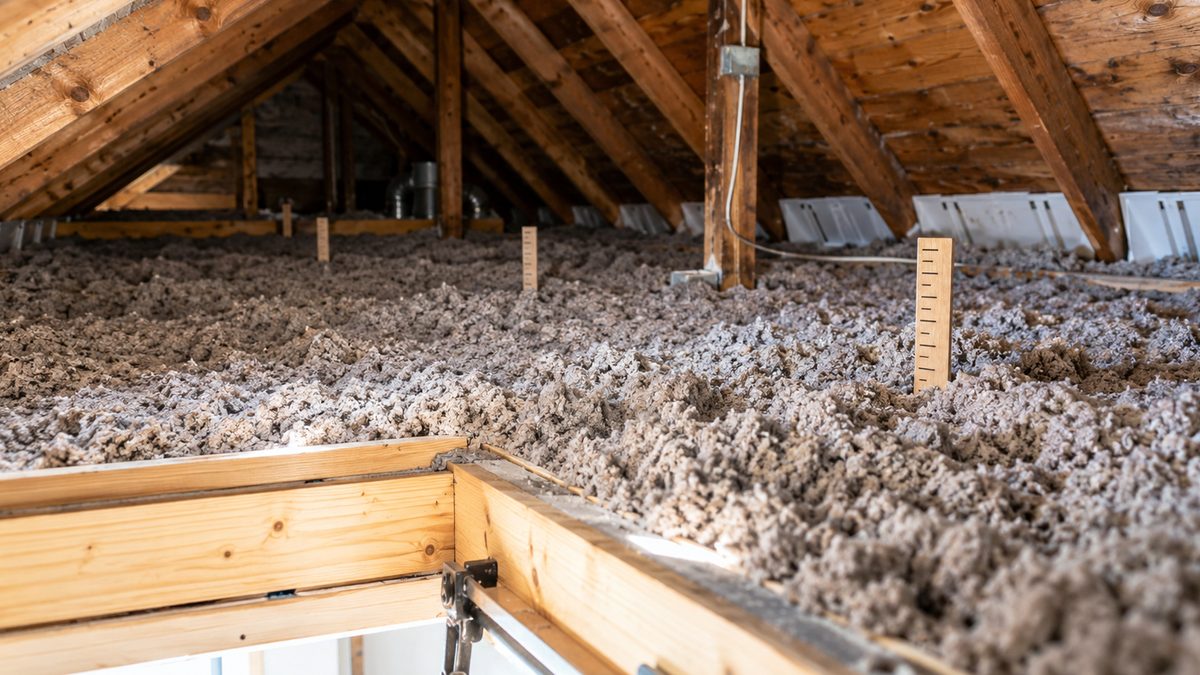
Cellulose looks like shredded gray paper. Fiberglass loose-fill looks like fluffy white or pink cotton. Both get packed in to a target depth based on the R-value spec for the job. In Connecticut, that target is typically R-49 to R-60 for attics — so you're looking at roughly 15 to 20 inches of material when it's done.
Depth rulers — small plastic or cardboard markers — get placed throughout the attic so there's a visual record that coverage meets spec. If you go up there after the job, you'll see them sticking up out of the insulation.
Spray foam insulation
Spray foam jobs look and feel different. The installer wears full protective gear — respirator, Tyvek suit, gloves — because the two chemical components that make up spray foam are reactive during application and need to be kept off skin and out of lungs. This isn't a sign that something dangerous is happening in your home. It's standard protocol, and it's why re-entry guidelines exist.
The foam gets sprayed in lifts — thin passes that build up in layers. Open-cell foam expands dramatically and has a spongy texture when cured. Closed-cell foam expands less but cures rigid and dense. Both have a distinct smell during application that dissipates as the foam cures.
Air sealing — the step that happens before insulation
If your project includes air sealing — and most attic jobs in older Connecticut homes should — you'll see the crew working at the attic floor level before any insulation goes in. They're sealing bypasses: gaps around recessed light cans, top plates where interior walls meet the attic, plumbing and electrical chases, and any other path that lets conditioned air escape into the attic.
This step is less dramatic than watching foam expand or a blower machine run, but it might be the most important part of the job. Insulation slows heat transfer. Air sealing stops air movement. You need both — and why air sealing matters as much as insulation R-value is worth understanding before your job starts.
Want the full breakdown on how blown-in insulation gets installed from start to finish? Read more
Can You Stay Home During Installation?
Short answer: usually yes, but it depends on what's being installed.
Blown-in and batt insulation
If we're doing blown-in fiberglass or cellulose, or installing batts in a basement or crawl space, you can generally stay home without any issue. The work is contained to the specific area — attic, basement, crawl space — and the main thing you'll notice is noise from the blowing machine and occasional foot traffic from the crew moving through the house.
That said, if the attic hatch is inside a closet or bedroom, expect that area to be off-limits and a little dusty for the duration. Plan around it rather than trying to work around the crew.
Spray foam insulation
This one is different. During spray foam application, isocyanates — the reactive chemicals in the foam — are present in the air at levels that require the installer to wear respiratory protection. Once application stops and the foam begins to cure, off-gassing continues for a period of time.
The general re-entry guideline for open-cell spray foam is 24 hours with adequate ventilation, or longer if the space isn't well-ventilated. Closed-cell foam typically has a shorter re-entry window — often a few hours — but this varies by product and application thickness. For the full picture on how long you need to stay out after spray foam installation, we've covered it in detail. Your Nealon crew will also give you specific guidance based on exactly what's being installed and where.
Plan to be out of the house for spray foam jobs, or at minimum out of the affected area with the HVAC system off and windows open in adjacent spaces. This isn't us being overly cautious — it's the manufacturer's recommendation and standard industry practice.
Pets and kids
Extra caution applies here regardless of material. Kids and pets don't follow instructions well, and work zones have open hatches, propped doors, running hoses, and equipment that isn't meant to be touched. If spray foam is involved, get them out of the house. For blown-in jobs, keep them in a part of the house well away from the work area until cleanup is done.
If you have a family member with respiratory sensitivities — asthma, allergies — it's worth discussing the specifics with us before the job so we can advise accordingly.
Why do I have allergies in my home?
What "Done" Actually Looks Like
When the crew wraps up, there's a right way to close out a job — and it's worth knowing what to look for so you can confirm the work was done properly before anyone leaves.
The end-of-job walk-through
A good insulation crew doesn't just pack up and disappear. Before we leave, we walk the job with you. This is your chance to ask questions, see the finished work firsthand, and make sure everything matches what was quoted.
For attic jobs, that means going up — or at minimum, having the lead installer show you photos if the attic isn't easy to access. You should be able to see even coverage, depth markers in place, and no obvious gaps or thin spots around the perimeter or at eaves.
What to check before the crew leaves:
- Attic hatch or crawl space access is restored and properly sealed or insulated
- Depth markers are visible throughout the attic floor
- Soffit baffles are in place and not buried under insulation
- No insulation material left loose in living areas, on stairs, or in hallways
- Equipment hoses, bags, and debris are removed from the property
- Any furniture or belongings that were covered or moved are back in place
What the crew leaves behind — and shouldn't
The only things that should remain after a blown-in job are the depth markers in the attic and the insulation itself. Spray foam jobs leave trimmed foam visible at the application area, which is normal. What shouldn't be left behind: empty material bags in your yard, hose marks on walls or ceilings, or attic hatches that don't close properly because someone didn't account for the added insulation depth.
If something looks off during the walk-through, say something before the crew leaves. It's much easier to address on the spot than after the fact.
When to expect to feel a difference
This is where homeowners sometimes expect magic and get disappointed — not because the job was done wrong, but because insulation isn't a light switch. You're not going to feel a dramatic change the moment the crew pulls out of the driveway.
What you will notice over the following days and weeks:
- Rooms that used to feel drafty becoming more consistently comfortable
- Your heating system cycling less frequently
- Upstairs bedrooms staying more stable in temperature
- In older Connecticut homes, a noticeable reduction in cold floors above uninsulated crawl spaces
The energy bill difference typically shows up over one to two full billing cycles. If your project included air sealing alongside insulation, the improvement will be more pronounced — and faster to notice — than insulation alone.
Curious what insulation savings actually look like on a Connecticut energy bill after the job is done? Read more
What to Take Away From All of This
Installation day doesn't have to be a black box. The more you know going in — what to clear, what to expect from the crew, what the finished work should look like — the smoother it goes for everyone.
The through-line across every project type is this: good insulation work follows a process. Walk-through first. Air sealing before insulation where it's needed. Material installed to depth and spec. Clean exit with a final walk-through before the crew leaves. If any of those steps get skipped, that's worth asking about.
For most Connecticut homeowners, this is also not a small investment. Attic insulation, crawl space spray foam, whole-house packages — these aren't impulse purchases. You're entitled to understand what you're getting, watch it happen, and confirm it was done right before you write the final check.
If you've got a job coming up and you're not sure what to expect, call us. We'd rather answer your questions before we show up than have you standing in your attic afterward wondering if something looks right.
👉 Contact Nealon Insulation to schedule your free estimate — we'll walk you through exactly what your project will involve before the crew ever sets foot in your home.
Frequent Questions About Insulation Installation Day
How do I prepare my attic for insulation installation?
Prepare your attic for insulation installation by ensuring clear access through the hatch or pull-down stairs and removing stored items within 3–5 feet of entry points. Move belongings to prevent dust exposure, and report damaged insulation or hazards like exposed wiring, open chases, or unvented fans before installation begins.
Will insulation installation make a mess in my house?
Insulation installation creates minor, controlled mess limited to the attic access point. Blown-in insulation produces fine dust near the hatch, while crews contain it using drop cloths and sealing within a 3–6 foot work area. Spray foam creates minimal overspray, and installers clean all debris before completing the job.
How soon after spray foam installation can I go back inside?
Return inside after spray foam installation based on foam type and ventilation time. Closed-cell spray foam allows re-entry within 1–3 hours after curing and active ventilation. Open-cell spray foam requires a 24-hour wait with windows open and HVAC systems off to fully clear airborne irritants.
Do I need to be home during insulation installation?
You need to be home at the start of insulation installation for a 15–30 minute walk-through to confirm scope, access, and conditions. Leave after the walkthrough for most jobs. Stay reachable by phone during the project to approve changes if crews find moisture damage, pests, or structural gaps.
What if the crew finds a problem during installation — moisture, mold, or pests?
Stop insulation installation when crews find moisture, mold, or pest activity and report the issue immediately. Do not cover underlying problems, as insulation traps moisture and worsens damage. Fix minor issues like air leaks or venting on-site, but resolve major leaks, mold, or infestations before continuing installation.
Related Articles
Let's Work Together
Ready to transform your home into an energy-efficient haven? Schedule your free energy assessment today and experience the Nealon difference for yourself.