
Does Crawl Space Encapsulation Prevent Mold?
You climb down into the crawl space to grab something, and it hits you: that damp, earthy smell, maybe a few fuzzy gray or white patches creeping along the floor joists. Someone tells you encapsulation is the answer, and the question you actually want answered is dead simple. Will sealing this space up stop the mold, or am I about to spend real money trapping the problem down there?
Short version: encapsulation is the most effective thing you can do to stop crawl space mold, but only if you treat it as a system instead of a plastic liner. Here is the honest breakdown of when it works, when it does not, and what you can check yourself before you call anyone.
The Short Answer: Yes, But Not On Its Own
Mold needs three things to grow: a food source (the wood and dust down there), the right temperature, and moisture. You cannot strip out the wood and you cannot control the temperature in a crawl space, so moisture is the only lever you actually get to pull. Encapsulation pulls it hard. A properly sealed crawl space cuts off the ground moisture and humid outside air that feed mold, which is exactly why it works when nothing else does.
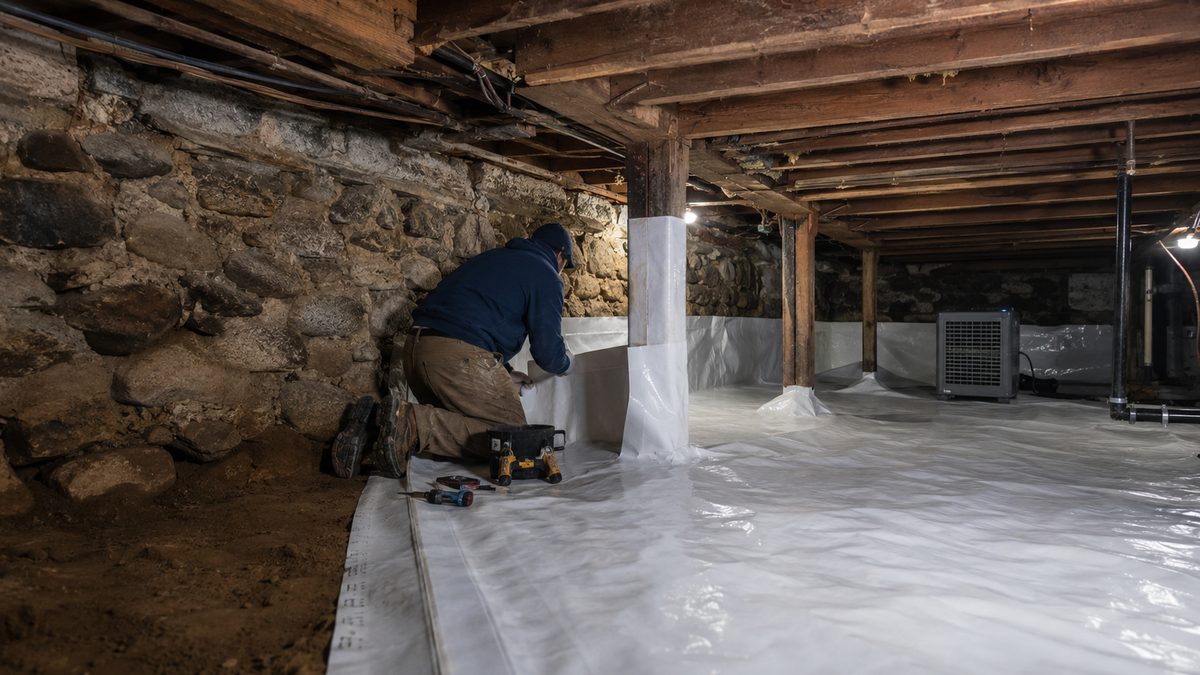
But 'prevent' is doing a lot of work in that question. Rolling a vapor barrier across the dirt is not the same as controlling humidity, and it helps to understand what a full encapsulation system actually involves before you sign anything: a sealed liner running up the walls, air sealing of the vents and gaps, and a real way to manage humidity, usually a dedicated dehumidifier or a supply of conditioned air. Skip that last piece and you have built a sealed box that can still sweat. Aim to keep the crawl space relative humidity under 60 percent. Mold struggles to get going below that, and under about 50 percent it basically stalls.
Wondering whether you should seal it up or leave the vents open in the first place? Read our take on venting versus sealing a Connecticut crawl space.
When Encapsulation Will Not Stop Mold
Three situations where the liner alone lets you down, plainly:
- There is already mold on the wood. Encapsulation stops new growth, it does not clean up what is there. Active colonies need to be cleaned up with professional mold treatment before you seal, or you are locking the problem in under fresh plastic.
- You have a bulk water problem. A liner handles ground vapor and humidity, not a leaking pipe, a failed sump, or water pouring in after every storm. Fix the water source or the dehumidifier fights a losing battle forever.
- Nobody manages the humidity. A sealed crawl space with no dehumidifier and no conditioned air can still climb past 60 percent in a muggy Connecticut summer. This is the step budget jobs quietly leave out.
Before you call anyone, grab a cheap hygrometer (about 15 dollars at any hardware store), set it in the crawl space for a few days, and read the humidity. If it parks above 60 percent, you have a moisture problem a bare liner will not solve on its own. Snap a few photos of any staining on the joists while you are down there. That reading and those photos tell a contractor more in ten seconds than a phone call ever will.
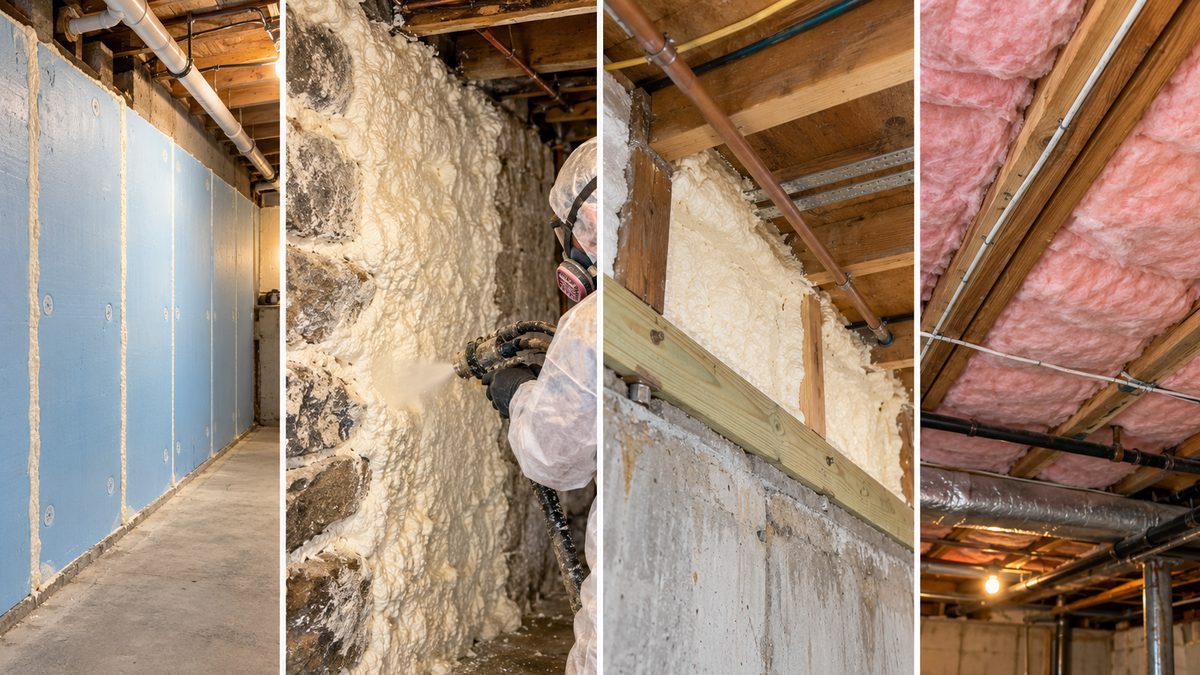
Trying to figure out how encapsulation compares to other ways to handle a crawl space? Compare the best crawl space insulation materials for Connecticut homes.
The Bottom Line for Connecticut Crawl Spaces
So, does crawl space encapsulation prevent mold? Done right, it comes closer than anything else, because it removes the moisture mold lives on. Done halfway, as a plastic liner with no humidity control, it can leave you no better off. The deciding factor is never the plastic. It is whether the whole system actually controls water and humidity.
If you take one thing from this: encapsulation is a moisture strategy, not a mold spray. Get the humidity under control and the mold has nowhere to go. Leave it unmanaged and no amount of liner will save you.
👉 Contact Nealon Insulation — if your crawl space smells musty or your hygrometer will not drop below 60 percent, we will tell you whether encapsulation is the fix or whether something else needs handling first.
Frequent Questions About Crawl Space Mold
Does a crawl space dehumidifier prevent mold on its own?
A dehumidifier alone rarely prevents crawl space mold, because it is fighting a constant flood of ground moisture and humid outside air. Pair it with a sealed vapor barrier and air sealing and it becomes very effective, since now it only has to manage the air in a closed space instead of the whole outdoors.
Will encapsulation get rid of mold that is already in my crawl space?
No. Encapsulation prevents new mold, it does not remove existing growth. Any active mold on the joists or subfloor should be cleaned and treated before the space is sealed, otherwise you trap live colonies under the new liner. Once the area is remediated and encapsulated, the dry conditions keep it from coming back.
How do I know if my crawl space has a mold problem?
The clearest signs are a persistent musty smell in the rooms above, visible gray, white, or black patches on the wood, and a hygrometer reading that stays above 60 percent. Damp insulation and cupping hardwood floors are common tells too. If you are seeing any of these, get the humidity measured before deciding on a fix.
Related Articles

Let's Work Together
Ready to transform your home into an energy-efficient haven? Schedule your free energy assessment today and experience the Nealon difference for yourself.