
How Do You Ensure Existing Moisture Problems Won’t Get Sealed in Behind the Insulation?
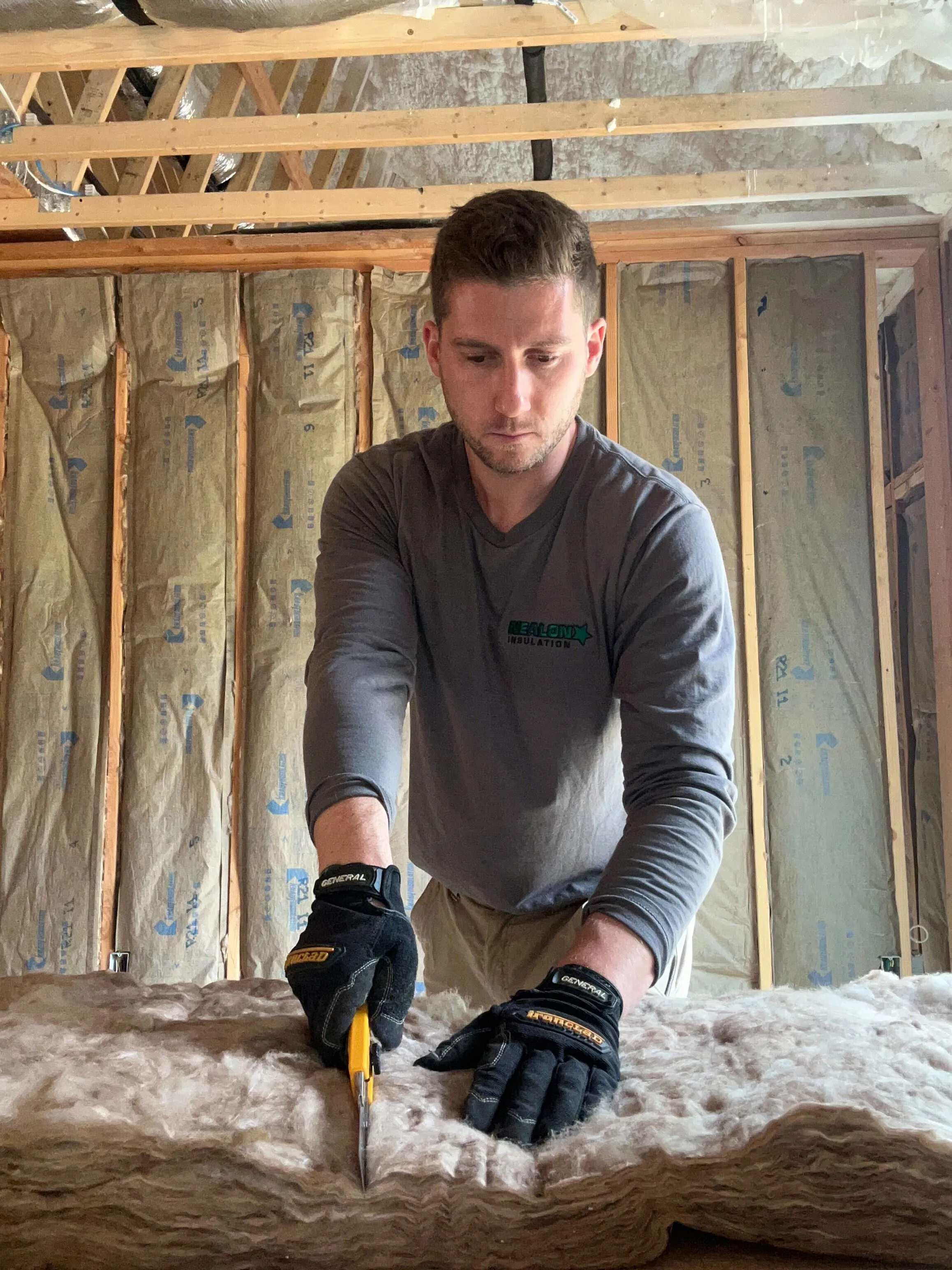
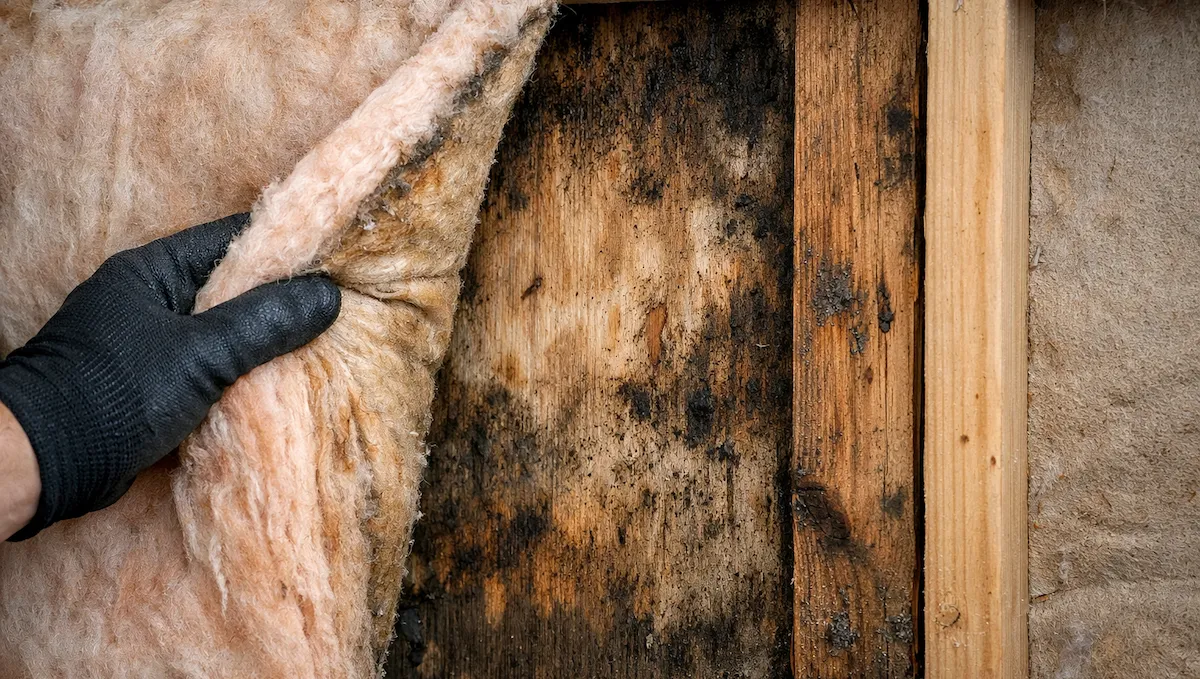
Most homeowners asking this question are really asking something else: “If I add insulation, am I about to hide a problem that will get worse?”
That concern is valid, and it’s a smart place to slow down before doing any work.
Here’s the short answer upfront: insulation does not create moisture problems, but it can expose them—or make them worse—if existing moisture issues are ignored. Moisture problems behind insulation don’t come from the insulation itself. They come from water, air movement, and temperature differences that were already there long before the truck pulled into the driveway.
A professional insulation job starts by assuming moisture matters. The goal isn’t to “seal everything tight and hope for the best.” The goal is to understand how air and moisture are moving through the home today, address what shouldn’t be there, and then insulate in a way that improves comfort and drying potential.
Done correctly, insulation reduces moisture risk. Done carelessly, it can hide symptoms instead of fixing the cause.
Check out this case study of a Connecticut home where Nealon Insulation identified and solved a moisture issue.
What Homeowners Mean When They Worry About “Trapping Moisture”
When homeowners talk about “trapping moisture,” they’re usually picturing water getting locked inside a wall with no way out. That image feels intuitive, but it’s not how most moisture problems actually work.
Moisture behind insulation almost never comes from insulation acting like a sponge or a seal. It comes from air movement and temperature differences. Warm, moist indoor air leaks into cooler wall or attic cavities, hits a cold surface, and condenses. That process can happen whether insulation is present or not.
Insulation doesn’t create the moisture. It simply changes conditions, sometimes revealing a problem that was already there.
This is where confusion around terms like vapor barriers, air barriers, and “breathability” tends to creep in. Homeowners often assume insulation needs to let moisture “escape.” In reality, the priority is stopping moist air from getting into places it doesn’t belong in the first place.
So when people worry about sealing in moisture behind insulation, what they’re really asking is:
- Will insulating without fixing airflow make a hidden problem worse?
- Could insulation hide damage I should be addressing now?
Those are fair questions, and the answers depend entirely on how the job is approached.
Where Moisture Problems Usually Exist Before Insulation Is Added
Most moisture problems don’t start after insulation is installed. They start years earlier, quietly, in places homeowners rarely see.
Common pre-existing moisture sources include:
- Attics:
Warm air leaking through attic hatches, recessed lights, wiring penetrations, or top plates condenses on cold roof decking in winter. - Wall cavities:
Bulk water intrusion from failing flashing, siding, or windows, or condensation from interior air leaking into cold walls. - Bathrooms and kitchens:
Undersized, poorly installed, or improperly vented exhaust fans that dump moist air into attics instead of outside.
By the time insulation is being considered, moisture issues are often already established—they’ve just been out of sight. Adding insulation without understanding that history doesn’t create the problem, but it can make it harder to see.
That’s why experienced installers assume moisture may be present and go looking for it before insulating.
How Professional Installers Identify Moisture Before Insulating
Before any insulation goes in, a professional installer is looking for one thing above all else: evidence of uncontrolled moisture movement.
The process starts with a detailed visual inspection. Red flags include:
- Staining or darkened roof sheathing
- Rusted nails or fasteners
- Compressed, discolored, or musty insulation
- Signs of recurring condensation or past leaks
From there, targeted testing helps confirm what’s active and what’s historical. Moisture meters identify whether materials are currently wet. Air leakage paths—especially around attic penetrations and exhaust fans—are evaluated closely because air movement is the most common moisture delivery system in a home.
In some cases, blower door testing is used to make air leaks easier to identify and understand.
Just as important as finding moisture is understanding why it’s there. A roof leak requires a very different response than condensation caused by escaping indoor air. Professional installers don’t ignore moisture, but they also don’t overreact. Insulation moves forward only when conditions are right.
Ice dams are usually a symptom of warm air and moisture escaping into the attic, which is why proper air sealing and insulation—not just roof fixes—are critical to preventing them long term.
Why Air Sealing Comes Before Insulation
Once moisture risks are identified, the sequence matters. Air sealing must come before insulation, because air—not insulation—is the primary driver of moisture problems.
Warm air holds moisture. When that air leaks through gaps and cracks, it carries water vapor with it. When it hits a cold surface, condensation forms. Insulation alone does not stop that movement.
Air sealing targets the problem at its source by closing off:
- Top plates
- Plumbing and wiring penetrations
- Attic hatches
- Recessed lights
- Duct chases
This is different from vapor control. Vapor diffusion is slow and predictable. Air leakage is fast and uncontrolled—and it accounts for the majority of moisture problems behind insulation.
When air sealing is done correctly, insulation can do its job without increasing risk.
How Insulation Actually Helps Reduce Moisture Problems
When insulation is installed as part of a properly prepared system, it does the opposite of what homeowners fear—it helps reduce moisture problems.
Insulation keeps surfaces warmer in winter and cooler in summer. Warmer surfaces mean less condensation. Roof decks, wall sheathing, and framing stay closer to indoor temperatures, making moisture accumulation far less likely.
Insulation also supports moisture control by stabilizing indoor conditions and reducing pressure differences once air sealing is complete. With less air movement, there’s less moisture being pushed into hidden cavities.
Problems arise only when insulation is added without addressing airflow, ventilation, or active moisture sources. In those cases, insulation doesn’t cause the issue—it masks it.
When Insulation Should Be Delayed Until Moisture Is Addressed
There are times when insulation should wait, and recognizing those moments protects the home.
Insulation should be delayed when there is:
- An active roof, plumbing, or exterior leak
- Visible mold growth
- Saturated insulation or damaged framing
- Ongoing condensation with no identified cause
Insulation is not a drying tool. Installing it over active problems increases the risk of long-term damage. Addressing moisture first ensures insulation improves the home instead of complicating repairs later.
Common Mistakes That Lead to Moisture Problems After Insulation
When moisture problems show up after insulation, they’re almost always tied to shortcuts.
Common mistakes include:
- Skipping air sealing
- Blocking soffit vents or ventilation baffles
- Using the wrong insulation type for the assembly
- Leaving bath or kitchen fans venting into the attic
- Treating insulation as a standalone upgrade instead of part of a system
These issues are preventable. Avoiding them requires experience, attention to detail, and a system-based approach.
How a Professional Approach Prevents Moisture Issues Long-Term
Preventing moisture problems isn’t about one product or one step—it’s about understanding how the house works as a whole.
A professional approach evaluates air movement, moisture sources, ventilation, and materials together. It prioritizes preparation, sequencing, and knowing when to pause. That’s what keeps insulation from becoming a scapegoat for problems it didn’t cause.
When done correctly, insulation doesn’t hide moisture problems. It helps eliminate the conditions that allow them to exist in the first place.
Key Takeaway
Insulation doesn’t seal in moisture, poor preparation does. When moisture sources are identified, air leaks are sealed, and insulation is installed as part of a complete system, the risk of moisture problems behind insulation goes down, not up.
👉 If you’re considering insulation but worried about moisture getting sealed in get a professional estimate from Nealon Insulation.
FAQ's about Moisture and Insulation
How do I know if a contractor is actually checking for moisture or just saying they are?
You know a contractor is genuinely checking for moisture when they clearly explain what they are inspecting, where they are inspecting, and why it matters. A qualified contractor inspects attics and walls, identifies air leakage paths, explains ventilation, and is willing to delay insulation if moisture risks exist.
If moisture is found, does that mean my insulation project will be canceled or become much more expensive?
Finding moisture does not automatically cancel or significantly increase the cost of an insulation project. Most findings are minor, such as small air leaks or disconnected exhaust ducts, and are corrected during preparation. Only active leaks, mold, or saturated materials require delays to protect long-term performance and cost.
Is it safer to choose a specific insulation type to avoid moisture problems?
No insulation type is moisture-proof. Moisture safety depends on proper installation, air sealing, and building conditions, not the material alone. Contractors select insulation based on how an assembly controls air, heat, and drying. Choosing products based on marketing claims instead of system compatibility increases moisture risk.
Can moisture problems show up months or years after insulation is installed?
Yes, moisture problems can appear months or years after insulation, but the cause is usually unrelated to the insulation itself. Late issues typically result from roof leaks, ventilation changes, disconnected exhaust fans, or increased indoor humidity. Properly prepared insulation stabilizes airflow and temperatures, reducing future moisture sensitivity.
What should I expect a professional insulation evaluation to include before I commit?
A professional insulation evaluation includes inspecting attic or wall conditions, identifying air leakage paths, reviewing ventilation, and explaining moisture risks specific to the home. The contractor outlines required preparation, conditions that could delay work, and how insulation improves comfort without increasing moisture or durability risk.
Related Articles


Let's Work Together
Ready to transform your home into an energy-efficient haven? Schedule your free energy assessment today and experience the Nealon difference for yourself.