
Insulation Contractor Reviews: What to Check and Why
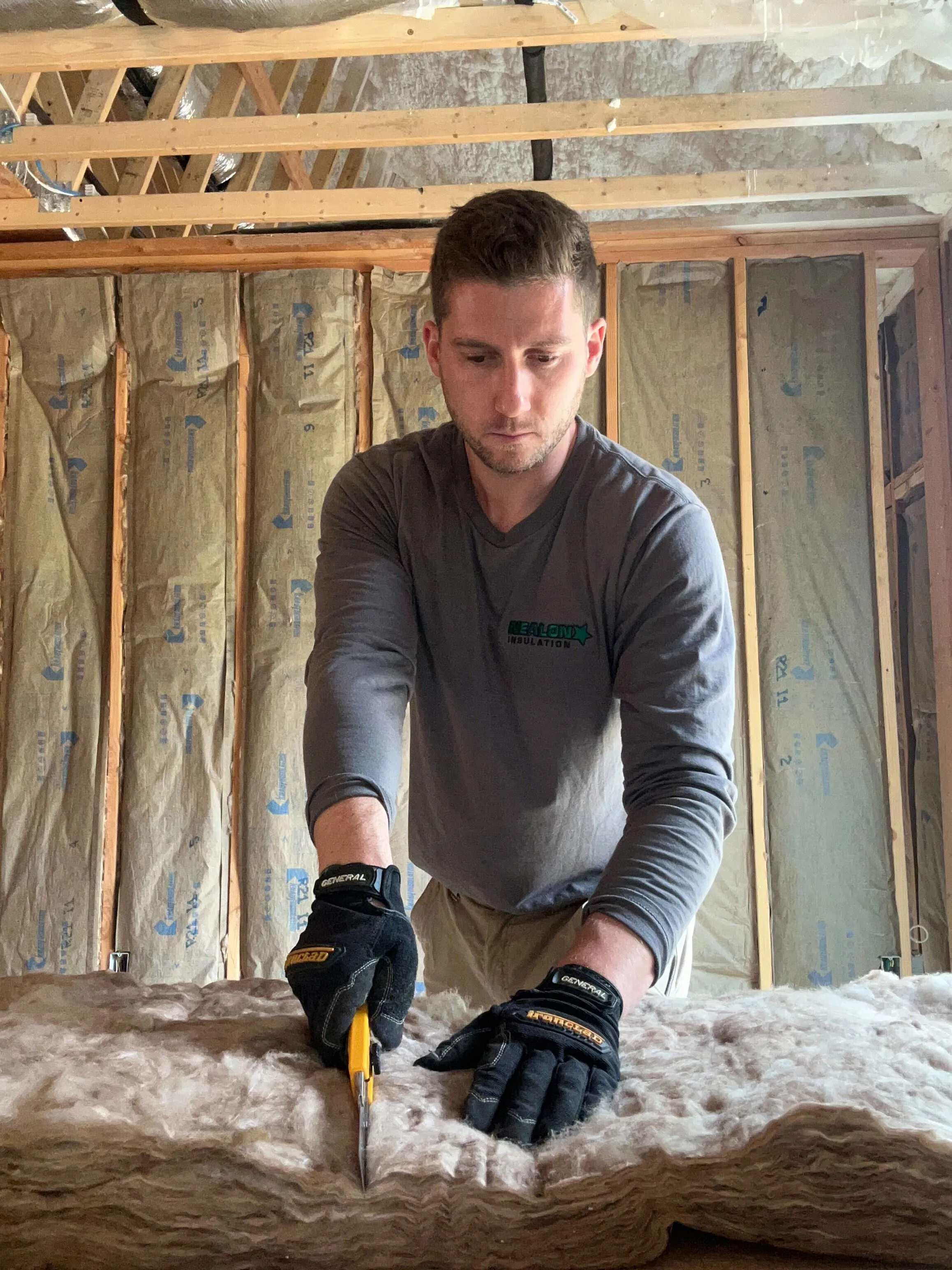

You got a quote. Maybe two. Now you're doing what every reasonable Connecticut homeowner does before handing over a deposit: you're Googling the company name followed by the word "reviews."
That's a smart instinct. But most people don't have a system for what to do after the search results come up. They glance at the star rating, skim a few reviews, and make a judgment call based on vibes. Sometimes that works out. Sometimes it doesn't — and with insulation work, you won't know which one it was until a few winters have gone by.
This guide is for homeowners who want to do this right. We'll cover which platforms are actually worth checking, how to read reviews the way a contractor would rather you didn't, and what separates a genuinely strong track record from a handful of carefully curated five-star posts. We'll also show you where Nealon Insulation stands on each platform — because if we're asking you to trust us with your home, you should be able to verify that trust before we ever show up.
Why Contractor Reviews Actually Matter
Hiring an insulation contractor isn't like ordering something online. These are people coming into your home, working in your attic or crawl space, and doing work that'll be hidden behind drywall or under blown-in material for the next 20 years. You're not going to be able to see most of it once they're done.
That's why reviews matter more for home contractors than almost any other purchase you'll make. They're the closest thing to a neighbor leaning over the fence and saying "yeah, we used them — here's what actually happened." Except instead of one neighbor, you're getting 50 or 100 of them, all with their own experience.
The catch is that not all review platforms are built the same way, and not all reviews are worth the same amount of weight. A contractor with 3 glowing reviews and no history is a very different situation than one with 150 reviews averaging 4.7 stars over five years. Knowing where to look — and how to read what you find — is what separates a confident hire from a coin flip, and part of choosing the right insulation company starts well before anyone shows up at your door.
Not sure where to start when vetting an insulation contractor? Here's how to choose the right insulation company for your home.
Where to Check Insulation Contractor Reviews
There are more places to check contractor reviews than most homeowners realize — and they don't all carry the same weight. Some platforms verify that reviewers actually hired the contractor. Others are wide open. Some are actively monitored by the contractor; others get ignored entirely. Here's a breakdown of the main ones worth checking, including where Nealon stands on each.
A few things worth noting: Google is the platform most contractors pay attention to because it directly affects how they show up in search. HomeAdvisor and Angi (same company, different branding) verify that reviewers are actual customers, which adds a layer of credibility. Yelp is widely used but has a reputation for suppressing reviews that don't fit its algorithm — so a lower review count doesn't always mean fewer happy customers. Facebook reviews tend to reflect the local community most directly, especially in smaller Connecticut towns where word travels fast. The BBB rating reflects complaint history and business practices, not customer satisfaction scores — a contractor can have zero BBB reviews and still have an A+ rating. Nextdoor is hyperlocal and genuinely grassroots — recommendations there usually come from actual neighbors in your town.
How to Read Contractor Reviews the Right Way
Finding the reviews is the easy part. Reading them well is a skill most homeowners skip. Here's how to actually use what you find.
Look at the Overall Pattern, Not Just the Star Rating
The star rating is a starting point, not a verdict. A contractor sitting at 4.7 with 180 reviews is a much safer bet than one with a perfect 5.0 and six reviews from three years ago. What you want to see is volume, recency, and consistency. Are reviews coming in steadily over time? Do they describe similar positive experiences across different jobs? A strong pattern across many reviews is far more reliable than a handful of perfect scores.
Read the One- and Two-Star Reviews
This is where you learn the most. Every contractor gets a bad review eventually — a miscommunication, an unrealistic expectation, a job that went sideways. What matters is how the contractor handled it. Did they respond professionally and try to make it right? Or did they get defensive and blame the customer? The response to a negative review tells you more about how a contractor operates than ten five-star reviews ever will.
Also pay attention to what the complaints are actually about. A one-star review that says "they were booked out three weeks" is very different from one that says "they left a mess and never came back to finish." Pattern-match the complaints. If three different reviewers mention the same issue, that's not a coincidence.
Watch for Red Flags in Positive Reviews
Fake reviews exist, and they're not always obvious. Watch for these patterns:
- Vague, generic language with no specific details ("Great service! Highly recommend!")
- Multiple reviews posted within a short window of time
- Reviewer profiles with no photo, no history, and only one review ever written
- Reviews that read like marketing copy rather than a homeowner's actual experience
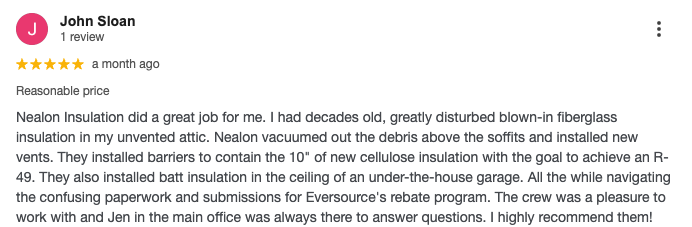
Legitimate reviews tend to mention specifics — the crew lead's name, the type of insulation installed, the problem that got solved, or how the house felt afterward. Specificity is a good sign. Genericness is not.
Check Whether the Contractor Responds to Reviews
A contractor who responds to reviews — both positive and negative — is telling you something important: they're paying attention. They care about their reputation enough to engage with it publicly. That same attention to detail tends to show up on the job. Contractors who ignore their reviews entirely aren't necessarily bad, but it's a data point worth noting.
Wondering whether to hire a pro or tackle insulation yourself? Here's how to decide.
What Good Insulation Reviews Actually Say
Once you know how to read reviews critically, it helps to know what you're actually hoping to find. Good insulation contractor reviews tend to share a few common threads.
The outcome is specific. Not "my house is warmer" but "we haven't had an ice dam since they insulated the attic" or "our heating bill dropped by almost $200 last winter." Specific results mean the homeowner noticed a real difference — which means the work actually performed.
The process gets mentioned. Homeowners who had a good experience almost always describe what it was like to have the crew in their home. They show up on time. They protected the floors. They explained what they were doing and why. They cleaned up before they left. These details matter because insulation work is invasive — crews are in your attic, your crawl space, sometimes your finished living areas. How they conduct themselves while they're there is part of the job.
The problem that prompted the call gets resolved. The best reviews follow a before-and-after structure: here's what was wrong, here's what they did, here's how it's different now. That narrative arc is a strong signal that the contractor diagnosed the actual problem and fixed it — rather than just installing material and calling it done.
What you almost never see in reviews for bad contractors is a description of the result. Unhappy customers tend to focus on the experience — the no-shows, the poor communication, the mess left behind — because the work either didn't get finished or didn't perform. When a review has nothing to say about outcomes, that's worth noting too.
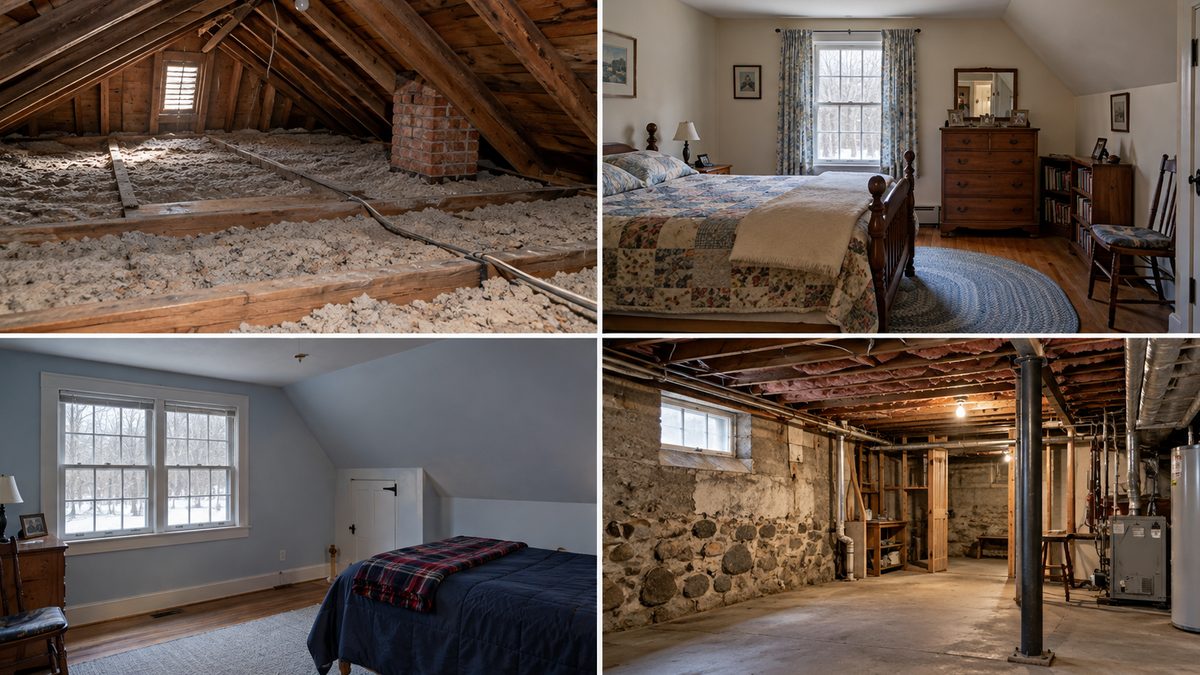
Not sure if your current insulation is even worth keeping? Here's how to tell if your attic insulation needs to be replaced.
Beyond Reviews — Other Ways to Vet a Contractor
Reviews are a strong signal, but they're not the whole picture. A contractor can have solid reviews and still be unlicensed, uninsured, or wildly inconsistent in how they price jobs. Here are three other checks worth doing before you sign anything.
Verify Their License and Insurance
In Connecticut, contractors are required to be registered with the state — and you can look that up. It takes about two minutes and tells you whether the person you're hiring is operating legally. Insurance matters just as much. If a crew member gets hurt on your property and the contractor isn't properly insured, that can become your problem fast. There's a full walkthrough of how to do this check in our post on verifying a contractor is registered and insured in Connecticut.
Ask the Right Questions Before You Hire
Reviews tell you what past customers experienced. The right questions tell you what your experience is likely to be. Ask about the materials they plan to use, how they handle existing moisture or air sealing issues, what the cleanup process looks like, and whether they pull permits when required. A contractor who can answer those questions clearly and without hedging is a contractor who knows what they're doing. Our post on smart questions to ask before hiring an insulation contractor covers this in detail.
Get More Than One Quote — and Know How to Compare Them
Price differences between insulation quotes can be significant, and they're not always explained well. Lower isn't always better, and higher isn't always justified. Knowing what's actually in a quote — materials, R-value targets, air sealing, cleanup — is how you compare them fairly. We broke that process down in our post on how to compare two insulation quotes.
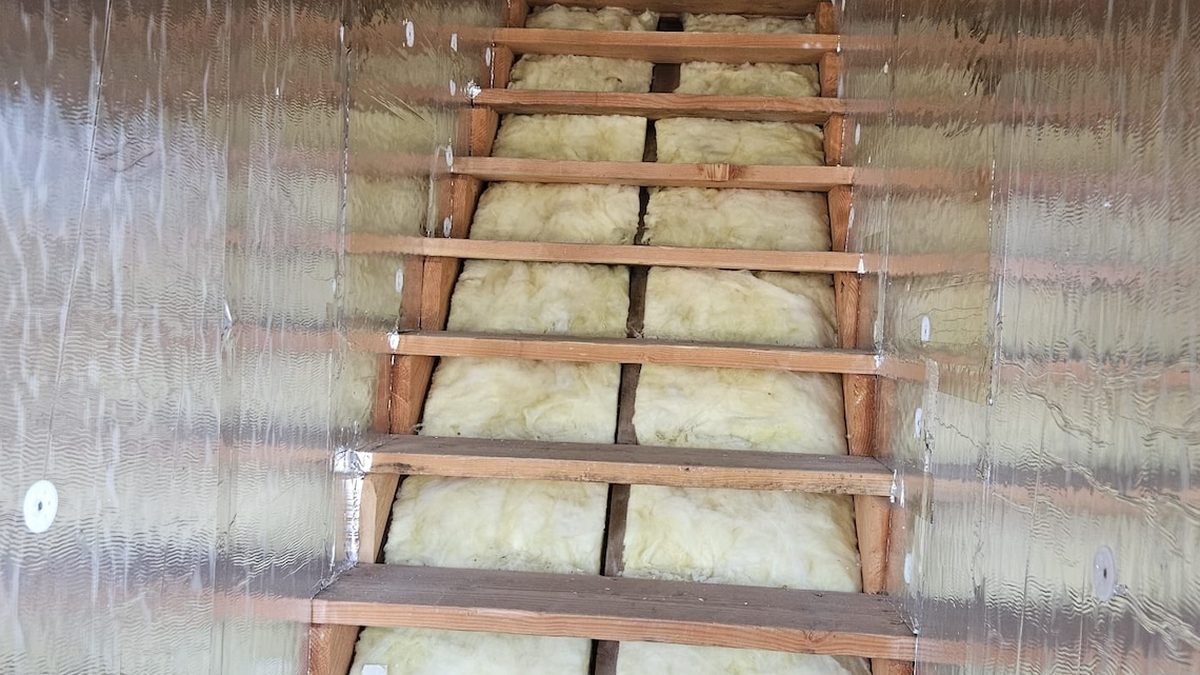
Planning to add insulation to an existing home? Here's what works, what it costs, and where to start.
Frequent Questions About Insulation Contractor Reviews
How many reviews should an insulation contractor have before I trust them?
There's no magic number, but fewer than 10 reviews is thin — especially for a company that's been operating for more than a year or two. A contractor with 30 or more reviews spread across multiple platforms, coming in consistently over time, is showing you a real track record. Volume matters because it's harder to fake or cherry-pick at scale. A handful of perfect reviews from three years ago with nothing since is a yellow flag worth noting.
Are HomeAdvisor reviews more trustworthy than Google reviews?
HomeAdvisor reviews carry a verification advantage — the platform confirms that the reviewer actually hired the contractor through their system before allowing a review to post. Google reviews are open to anyone, which makes them easier to game in both directions. That said, Google reviews tend to have higher volume and more detail, since more homeowners default to Google when they want to leave feedback. The most reliable picture comes from checking both and seeing whether the story is consistent across platforms.
What should I do if a contractor has no reviews at all?
No reviews isn't automatically disqualifying — newer companies and solo operators often build their reputation through word of mouth before accumulating an online presence. But it does mean you need to do more legwork elsewhere. Ask for references from recent jobs. Verify their license and insurance through the Connecticut state registry. Ask detailed questions about materials, process, and cleanup. A legitimate contractor with no reviews will have no problem answering all of those — and will usually understand why you're asking.
Can insulation contractors remove bad reviews?
On most platforms, contractors cannot remove reviews themselves — but they can flag reviews that violate the platform's terms of service (for example, a review left by someone who was never a customer, or one that contains false factual claims). Google and Yelp have processes for disputing reviews, but neither platform removes them quickly or easily. What a contractor can control is how they respond. A professional, solution-oriented response to a bad review carries more weight with most homeowners than the bad review itself.
Is a 4.5-star rating good for an insulation contractor?
A 4.5-star rating with solid volume is genuinely good — and in some ways more credible than a perfect 5.0, which can raise questions about whether all reviews are organic. Most homeowners doing due diligence care less about hitting a specific number and more about what the reviews actually say. A 4.5 with detailed, specific reviews describing real outcomes is a stronger signal than a 5.0 built on vague one-liners. Read the reviews, not just the number.
Conclusion
Checking reviews is worth doing — but only if you know what you're actually looking for. Star ratings are a starting point. Volume, recency, specificity, and how a contractor handles criticism are what actually tell the story. And reviews alone don't replace verifying a license, asking the right questions, or getting a second quote to compare against.
The good news is that a contractor with nothing to hide makes all of this easy. Their reviews are consistent, their license is on file, and they'll answer your questions without getting cagey about it. That's the bar. It's not a high one — it just filters out a surprising number of people in this industry.
If you want to see where Nealon Insulation stands before reaching out, start with our Google and HomeAdvisor profiles. Then come back here and ask us anything you didn't find an answer to.
👉 Contact Nealon Insulation — ready to answer your questions, show you our reviews, and give you a free estimate with zero pressure.
Related Articles

Let's Work Together
Ready to transform your home into an energy-efficient haven? Schedule your free energy assessment today and experience the Nealon difference for yourself.