
Do Insulation Projects Require a Permit in CT?
At some point during the planning phase of almost every insulation project, a homeowner asks the same question: do I need a permit for this? It's a reasonable thing to wonder, especially in Connecticut, where the combination of older housing stock, active local building departments, and a patchwork of municipal rules makes a simple yes-or-no answer genuinely hard to come by.
What makes this Connecticut complicated is that the state building code sets a floor, and towns build on top of it. What's permit-exempt in one town may require an application and an inspection in the next. If you've ever gotten a different answer from two different contractors on the same job, that's usually why.
This post walks through exactly when permits are required, when they're not, and what happens if you skip one you should have had. If you're planning an insulation project and want to know where you stand, this is the right place to start.
Quick Overview Table
Most Insulation Projects Don't Require a Permit — But Some Do
For the majority of insulation work — adding blown-in insulation to an attic, insulating a crawl space, topping off basement rim joists — you don't need a building permit in Connecticut. These are considered maintenance-level improvements to existing, accessible spaces, and most municipalities treat them accordingly.
That said, "most" isn't "all," and the exceptions matter. Certain types of insulation work, certain materials, and certain project scopes do cross the threshold into permit territory. Where things get complicated is that Connecticut doesn't have a single statewide rule covering every scenario. The state building code sets a minimum standard, and individual towns layer their own requirements on top of it.
So the honest answer to "do I need a permit for insulation?" is: it depends on what you're doing, what material you're using, and which town you're in. The rest of this post breaks that down.
Full list of Connecticut building departments
What Type of Work Triggers a Permit
Not every insulation job stays in the "no permit needed" lane. Three situations reliably push a project into permit territory.
Spray Foam Insulation
Spray foam — particularly closed-cell spray foam — is the most common insulation material to trigger a permit requirement. Because it acts as both an air barrier and a vapor retarder, it changes the moisture dynamics of a wall or roof assembly in ways that building officials want to review. Some Connecticut municipalities require a building permit any time spray foam is applied to a roof deck or within a wall cavity. Others are less strict, but you won't know until someone checks.
There's also a fire safety component. Spray foam is combustible and must be covered with a thermal barrier — typically half-inch drywall — in any occupied or accessible space. A permit inspection is one way that requirement gets enforced. Even applications like spray foam on rim joists can trigger a review in some towns, so it's worth confirming before the job starts.
Converting Unfinished to Finished Space
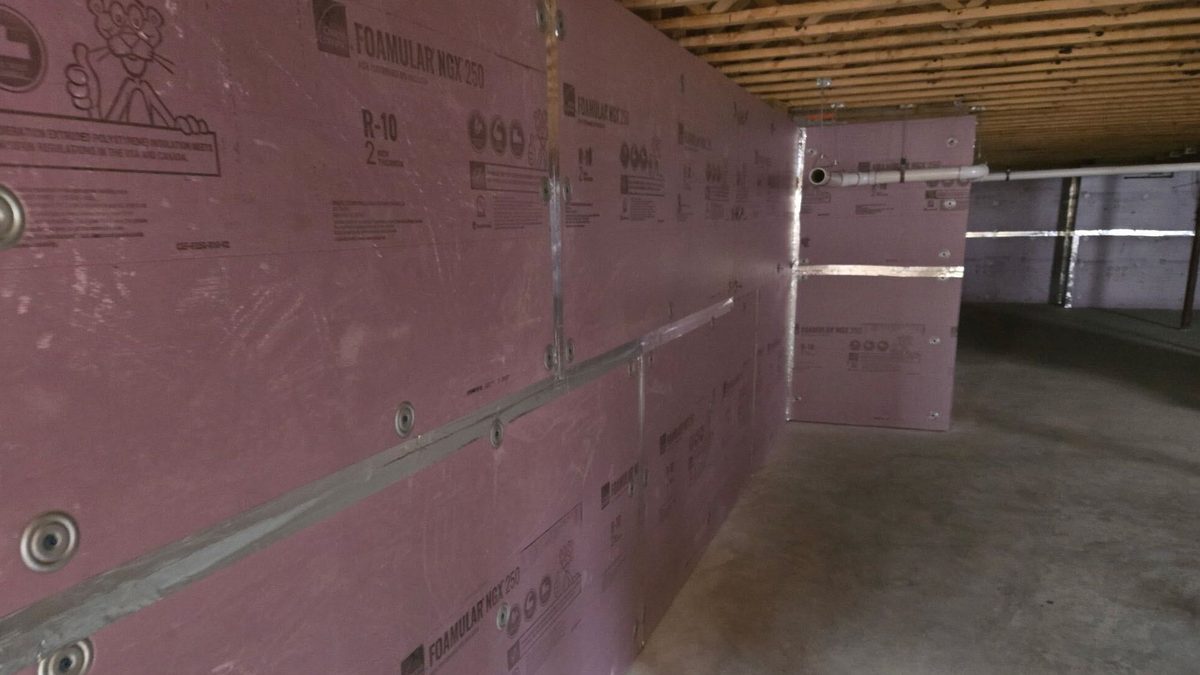
If you're finishing a basement or attic at the same time you're insulating it, the insulation is the least of your permit concerns. Converting unoccupied space into conditioned living area almost always requires a permit in Connecticut — for the framing, electrical, egress, and HVAC work involved. The insulation just comes along for the ride.
Where homeowners get tripped up is assuming that because insulation alone doesn't need a permit, the whole project doesn't. That's not how it works. The scope of work determines the permit requirement, not just one line item within it.
Electrical or HVAC Work Done Alongside Insulation
Sometimes insulation work uncovers — or creates the need for — electrical or mechanical upgrades. Old knob-and-tube wiring in an attic, for example, has to be dealt with before you can add insulation over it. That electrical work requires its own permit. Similarly, if you're rebalancing HVAC distribution as part of an energy retrofit, that's a separate permit pull.
A contractor who bundles all of this upfront and coordinates the permit requirements from the start saves you a lot of headaches later.
Thinking about insulating your walls without opening them up? Here's how injection foam and drill-and-fill methods work.
What Type of Work Usually Doesn't Require a Permit
The bulk of residential insulation work falls into the no-permit category. Here's what that typically includes in Connecticut:
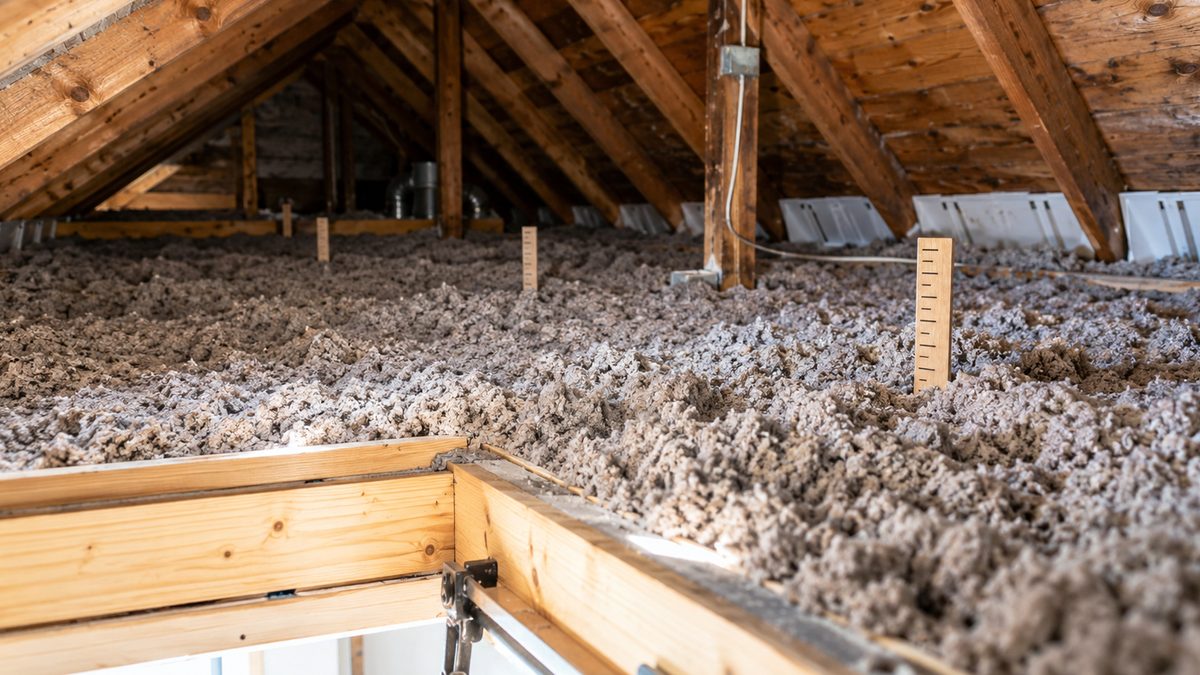
- Adding blown-in insulation to an attic — topping off or replacing loose-fill insulation in an open, unfinished attic is the most common insulation job in the state, and it rarely requires a permit
- Insulating basement rim joists — cutting and fitting batt insulation or injecting spray foam into rim joist bays is generally considered maintenance work
- Adding batt or blown-in insulation to a crawl space — as long as the space itself isn't being structurally altered, insulation improvements typically don't trigger a permit
- Air sealing — sealing gaps, penetrations, and bypasses with caulk or foam is almost universally exempt, even though it's one of the highest-impact things you can do for energy efficiency
- Like-for-like insulation replacement — removing old, degraded insulation and replacing it with the same type in the same location is typically treated as maintenance
The common thread here is that none of these jobs change the structure, alter the building envelope in a way that creates a new code compliance question, or introduce a new mechanical system. They're improvements to what's already there.
Worth noting: even when a permit isn't required, the work still has to be done correctly. No permit doesn't mean no standards. Connecticut's building code and manufacturer installation guidelines still apply, and a shoddy job can cause moisture problems, ice dams, or comfort issues that cost more to fix than the original project.
Wondering whether to air seal or insulate first? Here's what actually matters for Connecticut homes.
Why Permits Vary by Town in Connecticut
Connecticut operates under the State Building Code, which is based on the International Building Code with state-specific amendments. That code sets the floor — a minimum standard every municipality has to meet. But towns have the authority to adopt stricter local requirements on top of it, and many do.
What that means in practice is that a project that sails through in one town might require a permit application, an inspection, and a fee in the next town over. There's no master list that covers every scenario for every municipality in the state.
A few factors that tend to create local variation:
- Age of the housing stock — Towns with a high concentration of pre-1980 homes sometimes have more active enforcement around insulation and energy work, particularly in older neighborhoods
- Historic districts — If your home falls within a local historic district, building officials may take a closer interest in any work that affects the building envelope
- Shoreline and coastal towns — Some shoreline municipalities have additional requirements tied to flood zone designations and moisture management, which can affect how spray foam and vapor retarder work is reviewed
- How active the local building department is — This varies more than it should, and experienced local contractors know the difference
The only reliable way to know what's required in your town is to call the local building department or work with a contractor who knows the local landscape. Nealon has worked across Connecticut long enough to know which towns ask more questions and which ones wave you through.
Planning an insulation project during a renovation? Here's why timing it right makes a real difference.
What Happens If You Skip a Permit and Should Have Had One
Skipping a permit when one was required isn't just a paperwork problem. It creates real downstream risk for homeowners — and it tends to surface at the worst possible moment.
Failed Home Inspection at Resale
The most common place unpermitted work gets caught is during a real estate transaction. When you sell your home, the buyer's inspector and their attorney will look at the permit history. Unpermitted work — even insulation — can delay a closing, reduce your sale price, or require you to retroactively permit and inspect the work before the deal goes through. Retroactive permits are possible in Connecticut, but they're more expensive and more complicated than doing it right the first time.
Insurance Complications
If something goes wrong in a space where unpermitted work was done — a moisture problem, a fire, structural damage — your homeowner's insurance carrier may use the unpermitted work as grounds to reduce or deny a claim. It's not a guarantee they will, but it's a risk that's entirely avoidable.
Being Required to Open Up and Redo the Work
In the worst-case scenario, a building official can require you to expose unpermitted work for inspection — which may mean removing finished surfaces to access what's underneath. If the work doesn't pass, you redo it. If it does pass, you still pay to restore everything you opened up. Neither outcome is cheap.
The calculus here isn't complicated. If a permit is required and you skip it, you're trading a modest upfront cost and some scheduling coordination for significant financial and legal exposure later.
How Nealon Handles Permits
Permit coordination is part of the job, not an afterthought. When Nealon scopes a project, one of the first questions we answer is whether the work requires a permit — and if it does, we handle pulling it. You don't need to call the building department, figure out the application, or track the inspection schedule. That's on us.
This matters more than it might seem. A contractor who leaves permit responsibility to the homeowner is either passing off work they should own or signaling that they're not sure what the requirements are. Neither is a good sign.
We also don't structure jobs to avoid permits. If the work needs one, we get one. It protects you, it protects us, and it means the job gets inspected and documented correctly. That documentation has real value — especially when you're selling the home or filing an insurance claim years down the road.
If you're pursuing Energize CT rebates alongside your insulation project, permit coordination becomes even more important. The Home Energy Solutions audit — which is the mandatory first step for most Energize CT rebates and carries a $40 copay — will identify the scope of work your home needs. Some of that work may require permits, and having a contractor who knows how to sequence the audit, the permit, and the installation keeps the whole process from stalling.
Not sure what to ask an insulation contractor before hiring? Here are 10 smart questions to start with. h
The Bottom Line on Insulation Permits
Permit requirements for insulation work aren't complicated once you know the variables. The material matters — spray foam draws more scrutiny than blown-in cellulose. The scope matters — a standalone insulation job is different from a basement conversion that happens to include insulation. And the town matters — Connecticut municipalities have real latitude to set their own rules above the state minimum.
For most homeowners doing straightforward attic, crawl space, or rim joist work, a permit isn't in the picture. But for anything involving spray foam, finished space conversions, or work that touches electrical or mechanical systems, it's worth confirming before the job starts — not after.
The best way to avoid permit surprises is to work with a contractor who asks the right questions upfront, knows the local requirements in your town, and pulls permits when the job calls for it. That's not extra service — it's just how the job should be done.
Frequent Questions About Insulation Permits
Does adding insulation to an existing finished wall require a permit in Connecticut?
Adding insulation to a finished wall — through injection foam or drill-and-fill blown-in methods — requires a permit in some Connecticut municipalities but not others. The key variable is whether the work involves opening or altering the wall assembly in a way that triggers a code review. Call your local building department before scheduling the job, because the answer varies by town.
Can I lose my Energize CT rebate if the insulation work wasn't permitted correctly?
Unpermitted work does not automatically disqualify you from Energize CT rebates, but the Home Energy Solutions audit process and rebate approval are separate from local permit requirements. If your project requires a permit and one wasn't pulled, the rebate may still process — but you carry the risk of the unpermitted work being flagged later during a home sale or insurance claim. The cleanest path is to have both handled correctly from the start.
Who is responsible for pulling a permit? The homeowner or the contractor?
The contractor is responsible for pulling permits on work they perform in Connecticut. A licensed contractor has the ability to apply for permits directly with the local building department, and that's standard practice for any reputable insulation company. If a contractor tells you the permit is your responsibility to pull, that's a red flag worth paying attention to.
How much does a building permit for insulation work cost in Connecticut?
Permit fees in Connecticut vary by municipality and are calculated differently across towns — some charge a flat fee, others base it on project value. For a straightforward insulation project, fees range from roughly $50 to a few hundred dollars depending on the scope and location. Your contractor handles the application; the fee is part of the project cost.
Does spray foam insulation on a roof deck always require a permit?
Spray foam on a roof deck requires a permit in most Connecticut municipalities, though not universally. The reason is that spray foam on a roof deck creates an unvented conditioned attic assembly, which changes how the building envelope is classified and inspected. Any reputable contractor will check with your local building department before starting that type of job.
👉 Learn more about insulation building code — we scope every project with permit requirements in mind, so there are no surprises after the work is done.
Related Articles
Let's Work Together
Ready to transform your home into an energy-efficient haven? Schedule your free energy assessment today and experience the Nealon difference for yourself.