
7 Ways to Make an Old House Energy Efficient and Still Keep the Charm
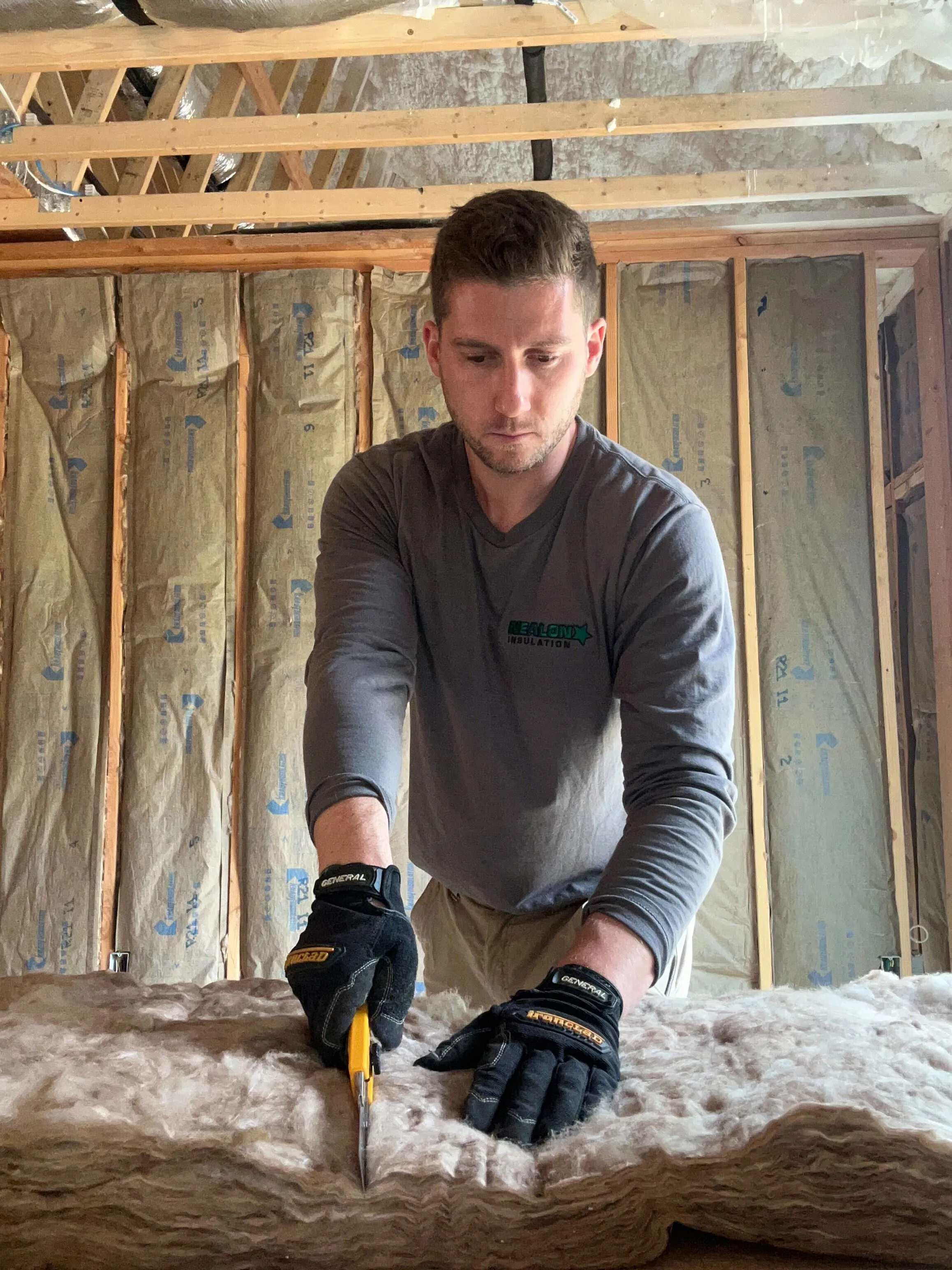

Your 1920s Colonial has great bones, wide trim, and a staircase they don't build anymore. It also has a second floor that bakes in July, a living room that turns drafty by Thanksgiving, and heating bills that make you wince every January. Somewhere along the way a salesman told you the fix is ripping out all your original windows, and the quote made your stomach drop.
Here is the good news. You can make an old Connecticut house noticeably more comfortable and cut energy use by around 30% without gutting the character that made you buy it. The trick is doing the work in the right order, and windows are nowhere near the top of that list. These are the seven moves that actually move the needle, roughly in the order I would tackle them.
Why old Connecticut homes leak so much energy
Old Connecticut homes leak energy because most were built before the state had an energy code. Connecticut building codes started in 1971, so anything older was often built with little or no wall insulation, a thin layer of attic insulation, and dozens of hidden air leaks nobody thought twice about at the time. On the shoreline, add decades of salt air and humidity working on the building, and you get a house that struggles in both January cold and July mugginess.
The key idea is that a house works as a system. Fixing one piece while ignoring the others wastes money, which is exactly why the order below matters more than any single product.
Understanding your old home's insulation needs
1. Start with an energy audit before you spend a dime
Start with an energy audit, because guessing is how homeowners pour money into the wrong fix. The Energize CT Home Energy Solutions audit costs a $40 copay as of April 1, 2026, and it includes a blower-door test that pinpoints the leaks you cannot see or feel. You walk away with a prioritized list of what actually matters in your specific house. Scheduling a Connecticut home energy audit is also the required first step to unlock the state insulation rebate, so it pays for itself before a single crew shows up.
2. Air seal before you add insulation
Air sealing delivers the biggest comfort gain per dollar in an old house. If you only add insulation but skip the air sealing, you are basically wearing a winter coat with the zipper open. Old houses leak air through the attic top plates, the chimney chase, recessed lights, the rim joist above the foundation, and gaps around old wiring and plumbing.
Here is the DIY versus pro line. You can caulk and weatherstrip the obvious spots yourself, around doors, window trim, and outlets. Sealing the attic floor plane and the rim joists properly is a job for air sealing services with the right foam, materials, and a blower door to verify the work.
Why air sealing is the secret ingredient to a comfortable, efficient home
3. Bring the attic up to R-49 to R-60
The attic is where an old Connecticut house loses the most heat, so insulating it to R-49 to R-60 is the single highest-impact upgrade you can make. It also helps stop the ice dams that chew up old roofs and gutters every winter.
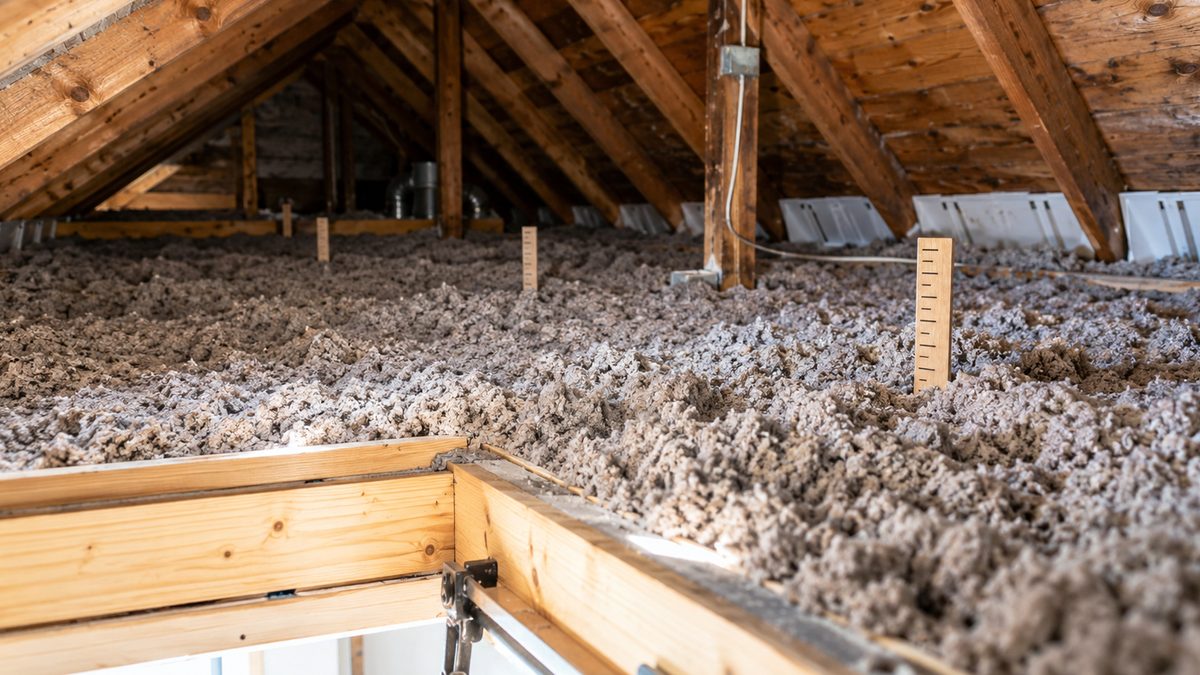
Run this check yourself this weekend. Grab a tape measure and stick it into the attic insulation. If you have less than 6 inches, you are likely under R-19 and well below target. Topping up to how much attic insulation you need in Connecticut is where the Energize CT rebate does the heavy lifting: up to $2.00 per square foot or 75% of the project cost, whichever is less, capped at $10,000. Measuring is DIY. Blowing insulation to an even depth after air sealing is a pro job.
4. Leave the original windows alone
Leave your original windows in place, because replacing them is the most oversold and least cost-effective efficiency upgrade for an old house. Windows account for roughly 25% to 30% of a home's heating and cooling energy loss, but the smart fix is not tearing them out. It is restoring and weatherstripping the original sashes and adding low-e storm windows over them.
The math is not close. ENERGY STAR-rated low-e storm windows cost roughly a quarter to a half of replacement windows, cut heating and cooling costs by about 10% to 30%, and pay for themselves in 3 to 5 years. Full replacement windows often take 10 to 40 years to pay back on energy savings alone, which is about as long as the new windows last. Your original wood windows, meanwhile, have already lasted a century and can last another one with maintenance. That is the honest take: keep the charm, add a storm, and put the money you saved toward the attic.
How we made a historic Essex estate efficient without changing its character
5. Insulate the walls without tearing out the plaster
You can insulate old walls without tearing out original plaster by dense-packing cellulose through small drilled holes. The crew drills a row of small holes, either inside or outside, packs the wall cavity tight with cellulose, and patches the holes so they disappear under paint. This works well for the balloon-framed and uninsulated walls common in pre-1980 Connecticut homes, and it leaves your plaster, trim, and moldings untouched. Dense-packing is a pro job, but the payoff is a warmer, quieter house with the original walls fully intact. If you want the details, here is how to insulate an old house with plaster walls the right way.
6. Handle the basement, crawl space, and rim joists
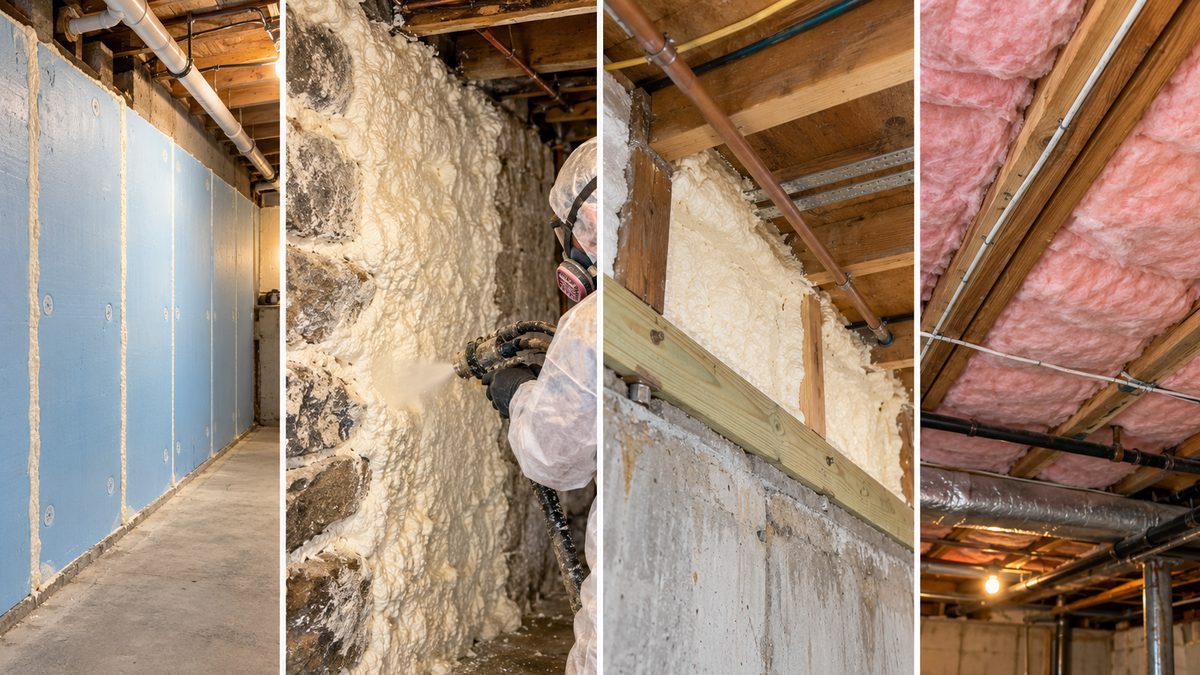
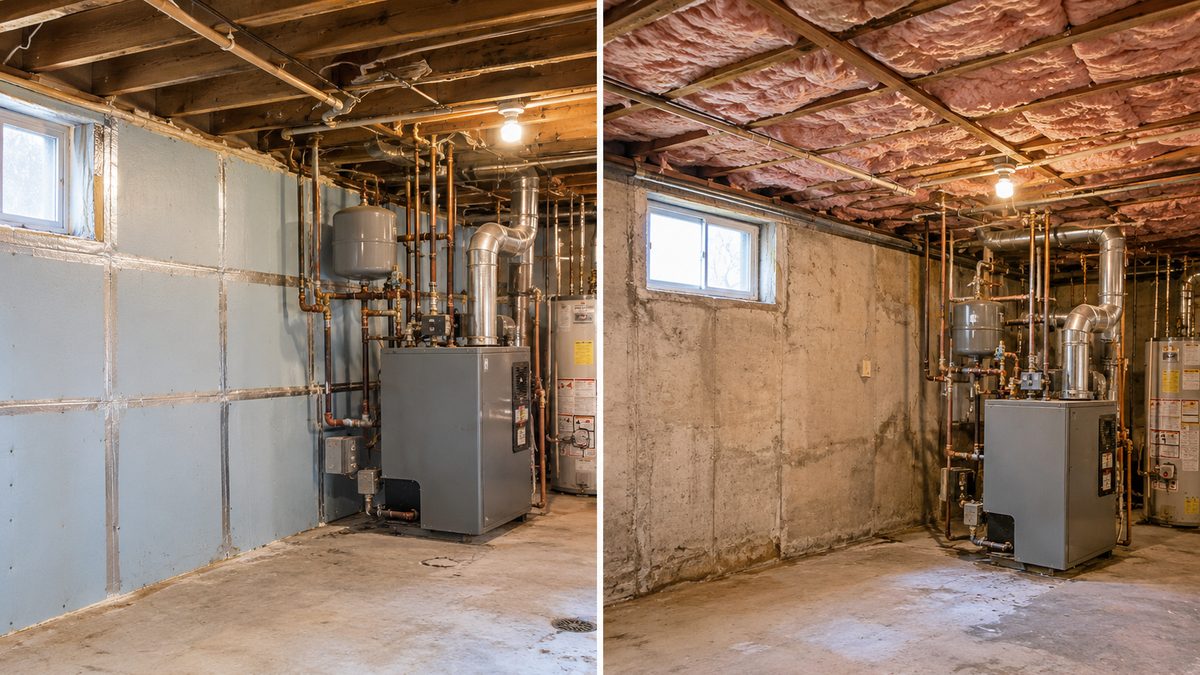
The basement and crawl space bleed heat and invite moisture, so sealing and insulating them protects both comfort and the structure. Old fieldstone foundations, damp crawl spaces, and uninsulated rim joists are some of the biggest hidden energy losers in an old house, and on the shoreline they are moisture problems waiting to happen. Rim joist air sealing and insulation stop cold floors above. Where the real issue is a wet, musty crawl space, crawl space encapsulation is the fix. Keeping gutters clear and running a dehumidifier is a fine DIY stopgap, but the sealing and encapsulation work is a pro job.
What crawl space encapsulation actually involves
7. Add low-visual-impact comfort tech
Round it out with comfort upgrades that do not change how the house looks. A smart thermostat, a ductless mini-split for that one room that is always too hot or too cold, and LED bulbs in your period fixtures all add efficiency without touching the character. One rule of thumb before you upsize the furnace or add cooling: insulate and air seal first. A tighter house needs a smaller system, so doing the envelope work first can save you from buying more heating and cooling than you actually need.
Conclusion
Making an old house energy efficient is not about erasing what makes it special. Fix the envelope in the right order, starting with an audit, then air sealing, then the attic, then the walls and basement, and you can cut energy use by around 30% while every bit of the character stays put. Windows and comfort tech come last for a reason: they cost the most and return the least until the rest of the house is buttoned up.
The character was never the enemy of efficiency. Sequence is everything. If you do one thing after reading this, grab a tape measure, check your attic depth, and book the Home Energy Solutions audit so you know exactly where your house is losing money.
👉 Contact Nealon Insulation for insulation that makes your old Connecticut home efficient without touching what makes it special.
Frequent Questions About Making an Old House Energy Efficient
How much does it cost to make an old house energy efficient in Connecticut?
Making an old house energy efficient in Connecticut costs $3,000 to $12,000 or more, depending on square footage and how many measures you tackle. Attic insulation runs $1.50 to $3.00 per square foot installed, and whole-house air sealing adds a few hundred dollars up to about $1,500. The Energize CT insulation rebate covers up to $2.00 per square foot or 75% of the project cost, capped at $10,000, once you complete a Home Energy Solutions audit. Bundle air sealing and attic insulation first to get the largest bill reduction for the money.
Will adding insulation to an old house cause moisture or mold problems?
Adding insulation to an old house causes moisture problems only when air sealing and ventilation are ignored. Moisture builds up when warm indoor air leaks into a cold attic or wall cavity and condenses there. A proper crew air seals first, keeps attic ventilation working, and controls indoor humidity between 30% and 50% to prevent condensation. Address existing leaks and ventilation before insulating to protect the structure, improve air quality, and avoid mold.
Do I need to remove the old insulation before adding new insulation?
Removing old insulation before adding new insulation is necessary only when the existing material is wet, moldy, rodent-contaminated, or badly settled. Clean, dry attic insulation under 6 inches deep can usually be topped up to reach the R-49 to R-60 target. Contaminated insulation traps odors and allergens and belongs out of the house before any new material goes in. Have the attic inspected to decide whether to top up or remove, so you avoid paying for removal you do not need.
Can you insulate an old house that still has knob-and-tube wiring?
Insulating an old house with knob-and-tube wiring requires an electrician's evaluation first. Knob-and-tube wiring, common in Connecticut homes built before 1950, is not rated to be buried in insulation because it relies on open air to shed heat. A licensed electrician can confirm whether the circuits are dead, safe to bury, or due for replacement. Schedule that inspection before any insulation work to keep the job code-compliant and safe.
How long does it take to make an old house more energy efficient?
Making an old house more energy efficient takes 1 to 2 days for most insulation and air sealing installs once the work is scheduled. The Home Energy Solutions audit happens first and usually books within 1 to 2 weeks. Larger projects that add wall insulation or crawl space encapsulation can run several days. Book the audit now to lock in your timeline, unlock the rebate, and start cutting bills sooner.
Related Articles
Let's Work Together
Ready to transform your home into an energy-efficient haven? Schedule your free energy assessment today and experience the Nealon difference for yourself.