
Connecticut Historic District Exterior Rules: Look Up Your Town Before You Change the Exterior
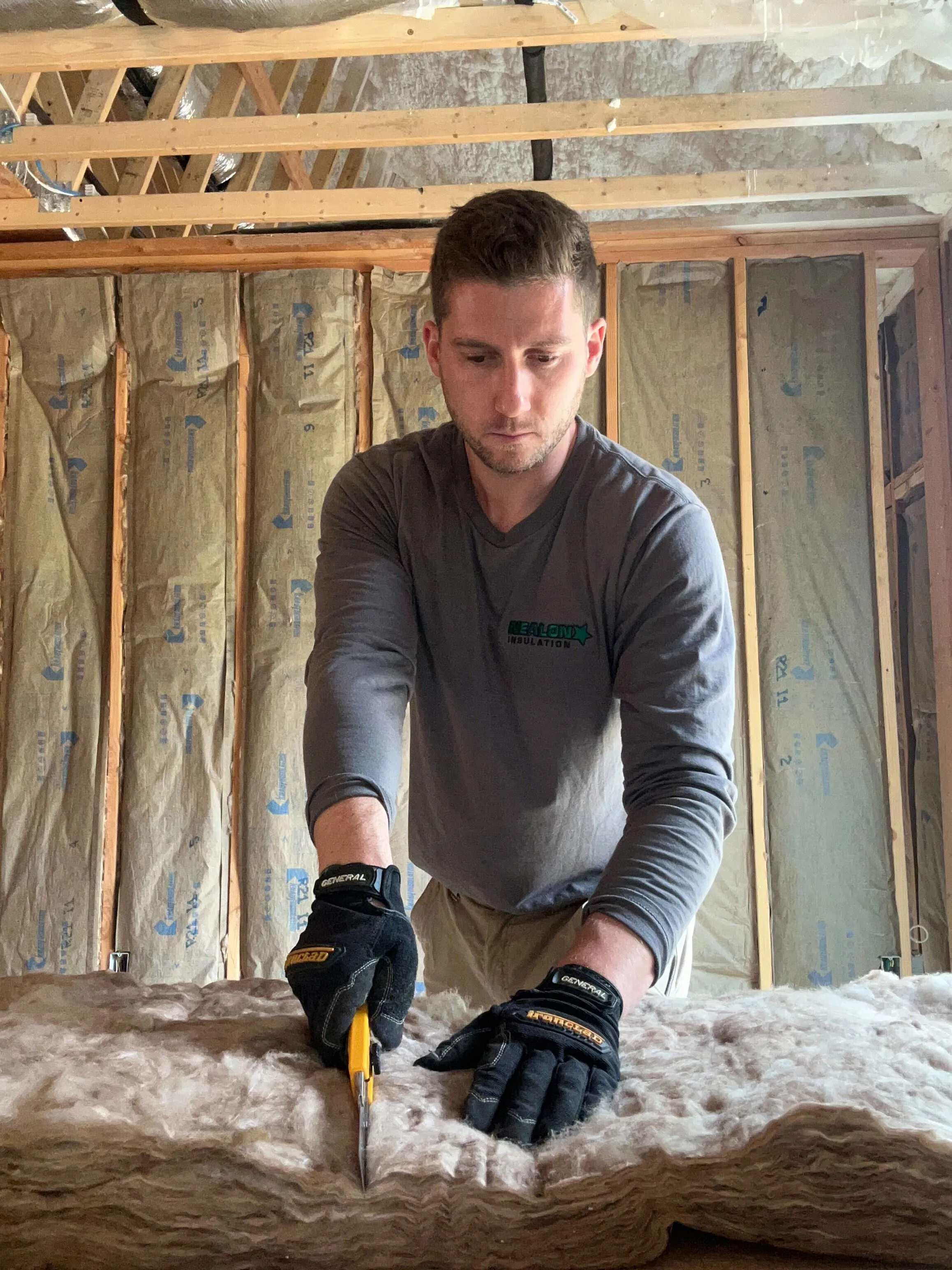
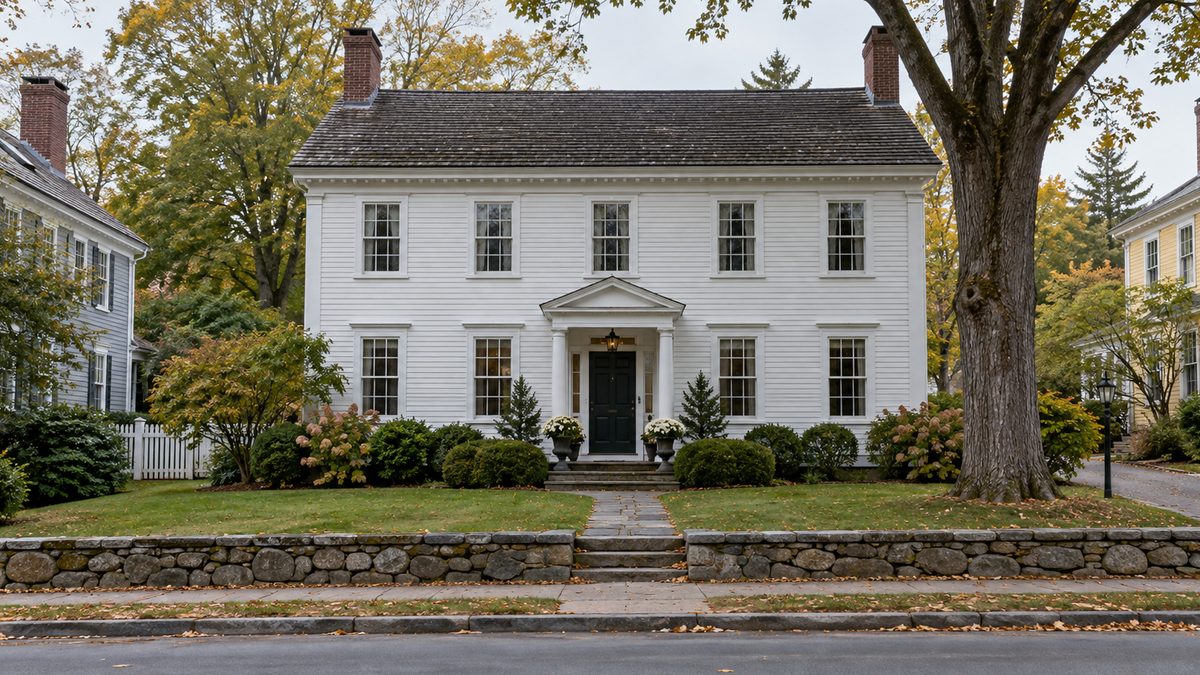
You want new windows on the 1840s Greek Revival, a ridge vent on the Cape, or a bath fan finally vented outside. Then a neighbor mentions "the historic commission," and suddenly you have no idea whether the town gets a vote on your own house. Guess wrong and a Connecticut commission can halt the work, and you may end up paying to put the old exterior back.
Connecticut has no single statewide rulebook. Each town adopts its own districts, commission and guidelines, and while some of the state's 169 municipalities publish detailed rules, others publish nothing at all. Below is how the system works, a lookup tool covering every town, and the exterior projects that most often trip up homeowners doing energy upgrades.
Does Your Town Get a Say in Your Home's Exterior?
Your town controls your exterior only if your property sits inside a local historic district or is a locally designated historic property. Connecticut's enabling law, Chapter 97a of the General Statutes, lets towns create both. Inside those boundaries, any change to an exterior architectural feature visible from a public street, way or place needs a Certificate of Appropriateness (COA) from the commission before work starts. That requirement applies even when the job needs no building permit.
State law also sets two limits that work in your favor:
- Paint color is excluded. A commission cannot review the color you choose.
- Ordinary repair is exempt. Maintenance that does not change the design, material or outward appearance of a feature falls outside review, although many towns attach exact-match conditions to that exception.
A COA is a review, not a ban. The commission's job is to decide whether a proposal is "incongruous" with the district, and compatible replacements and additions are not automatically prohibited.
Local Historic District vs. National Register
National Register listing alone does not restrict what a private owner does with private money. The National Register is a federal honor roll. A local historic district is a town ordinance with a commission that enforces it. A bronze plaque, a historical society marker or a National Register nomination tells you the house has history. It does not tell you whether a commission reviews your siding.
The Other Review Layers
Local historic districts are not the only review layer. Several towns route exterior review through other channels:
- Boroughs with their own commissions, such as Fenwick in Old Saybrook
- Village districts and design review boards created through zoning, such as Stonington's Architectural Design Review Board
- Historic overlay zones, which Greenwich uses in exchange for a permanent review easement
- Demolition delay ordinances that apply to older buildings town-wide
Which Connecticut organizations help owners preserve and improve historic homes?
Look Up the Rules for Your Town
The lookup below searches all 169 Connecticut municipalities, built from 158 official municipal and state sources (ordinances, commission handbooks, design guidelines and application instructions) checked in September 2026. Type your town, a village like Mystic, or a district like Fenwick, and add a project type to filter the findings. You will see:
- who reviews exterior work in your town
- which published rules apply to your project
- where the official sources conflict
- the building department's phone number and email
The lookup organizes towns by county for easy browsing, but counties do not regulate anything in Connecticut. The town, city or borough is always the authority.
How to Read Your Result
Every town lands in one of three result types:
- Local findings on file. 71 towns have published local rules or guidance we could document. They apply only inside the named districts or to designated properties.
- Review authority found, project rules not retrieved. A commission or designation exists, but project-level rules were not retrieved.
- No local findings in this research. Read this one carefully. It means we did not document a local authority, not that your town has no rules, and never that your project is exempt.
Whatever your result, use the "Email the building department" button to get a written answer before you spend a dollar.
Which Exterior Projects Usually Trigger Review
The projects most likely to trigger review change what a passerby sees: siding, windows, roofs, porches and additions. The table shows where each project starts under the statewide framework and the most common mistake. Your local commission's rules always control.
Repair In Kind vs. Replacement
The line between repair and replacement decides more COA questions than any other rule. Swapping three rotted clapboards for matching wood clapboards is ordinary maintenance. Re-siding the whole house in a different material is a replacement, even in the same color. When in doubt, photograph the existing condition and ask for the classification in writing; Old Saybrook even publishes a request-for-exemption form for this.
What does insulating a historic home without damaging plaster and trim involve?
The Energy Upgrades That Quietly Touch the Exterior
Most insulation work never touches the exterior of a historic house. Blowing cellulose across an attic floor to the R-49 to R-60 Connecticut target, air sealing, and insulating rim joists all happen from the inside. A handful of energy items do change the exterior, and those are where homeowners get surprised:
- Soffit, ridge and gable vents. Adding intake or exhaust ventilation changes the roofline or eaves. Guilford, Madison and Wethersfield exempt incidental plumbing vents, but that exemption covers plumbing vents only, not attic ventilation.
- Bath fan and dryer exhaust terminations. Guilford and Madison list exterior exhaust vents as review items. Fenwick treats incidental exhaust vents as non-regulated, but that wording applies only inside the borough.
- Exterior storm windows. Wethersfield grants blanket approval. Guilford and Madison publish design guidance on matching the original sash instead.
- Exterior drill-and-fill wall insulation. Plugged holes can show on a street-facing wall. Drilling from the interior keeps the exterior untouched.
- Foam board under new siding. Thicker walls change trim depth and window reveals, a visible alteration on a street-facing elevation.
- Solar panels. Chapter 97a requires a commission to approve renewable energy features unless it finds they cannot be installed without substantially impairing the district's historic character.
Planning the job around these points is half of what insulating a historic Connecticut home well actually means. A good attic ventilation contractor can often place new vents on rear or side roof planes and route exhaust terminations away from the street, which keeps many projects out of review entirely.
How does attic ventilation work, and why do vents matter when you insulate?
Is Your House in a Local District? A 10-Minute Check
You can confirm whether your house is covered in about 10 minutes, without calling anyone:
- Pull up your town's commission page in the lookup above and open the district map or property list. Match your street address, not just your street name, because district lines can split a block.
- Check your assessor card or town GIS. Some towns flag local district parcels, but state GIS maps are navigation aids, not legal boundary determinations.
- Ignore the plaque. Historical society markers and National Register status are not local designation.
- Read your deed and closing documents. A preservation easement or covenant can add review requirements that no town map shows.
- Stand where the public stands. Note which walls, roof planes and windows are visible from a street or public place. Old Saybrook's North Cove commission also counts views from the water and public open space.
- Photograph every elevation. Today's photos become your "existing conditions" evidence for any application or exemption request.
What You Can Handle Yourself, and When to Bring in a Pro
A homeowner can handle most of the COA groundwork alone: confirming designation, reading the guidelines, photographing the house, emailing the building department, and filing a simple application or exemption request for small items like storm windows. None of that costs money.
Bring in a professional when the application depends on drawings or specifications:
- An architect or designer for additions, dormers, porch enclosures and new window openings, where commissions expect scaled drawings
- The contractor doing the work for product specifications, profiles and material samples
- An attorney if the commission denies an application and a lot of money is at stake
A COA also does not replace your other approvals. Building, electrical, zoning and floodplain review still apply, and so do building permit rules for insulation projects.
What to Do Before You Apply
Your first step costs nothing: get your town's answer in writing before you order materials. Work through it in this order:
- Run the lookup and save your town's official source links.
- Photograph the existing exterior from every public vantage point.
- Send the pre-written email with your address and a one-line project description.
- Ask for the filing deadline and meeting calendar, and whether the commission offers a pre-application meeting.
- Order materials only after you have the certificate or a written exemption.
If you are also pursuing the Connecticut historic home tax credit, treat it as a separate track with its own standards. Approval from one does not satisfy the other.
What should you look for in an insulation contractor for an older home?
Know Before You Change the Outside
Connecticut's historic district rules come down to 3 questions: Is your property in a local district or designated? Is the change visible from a public way? Is it more than an in-kind repair? The lookup answers the first for most towns, and your building department answers it for the rest.
The takeaway is simple: a missing rule is never a green light. Get the answer in writing, plan energy upgrades from the inside where you can, and your historic house can get warmer without a fight at the commission table.
👉 Contact Nealon Insulation — we'll plan your historic home's insulation from the inside out, so the upgrade shows up on your energy bill instead of on the commission's agenda.
Frequent Questions About Historic District Rules in Connecticut
How long does a certificate of appropriateness take in Connecticut?
A Connecticut historic district commission must decide a certificate of appropriateness application within 65 days after the application is filed, under Section 7-147e of the General Statutes. The commission also holds a public hearing and publishes notice beforehand, so the practical timeline depends on the commission's monthly meeting schedule and filing deadline. Local web pages and application forms sometimes describe timing differently from the statute, so ask for written confirmation of your filing date. Submit a complete application early, with photos and specifications, to avoid a continuance and keep your project on schedule.
Do solar panels on a historic home in Connecticut need a certificate of appropriateness?
Solar panels on a Connecticut home in a local historic district need a certificate of appropriateness when the panels are visible from a public street, way or place. Section 7-147f requires the commission to approve a renewable energy feature unless the commission finds the feature cannot be installed without substantially impairing the district's historic character. This standard places the burden on the commission, which makes solar easier to approve than many other visible changes. Propose rear or side roof planes and low-profile mounting to strengthen the application and shorten review.
Does a certificate of appropriateness replace a building permit in Connecticut?
A certificate of appropriateness does not replace a building permit in Connecticut. The COA covers only the historic appearance of exterior features, while the building permit covers structural, electrical and code compliance. A town cannot issue a building permit for regulated exterior work in a local historic district until the commission issues the certificate, so the COA comes first. Apply for the certificate 2 to 3 months before your target start date to keep both approvals on track.
Does interior insulation work in a Connecticut historic district need commission approval?
Interior insulation work in a Connecticut historic district does not need commission approval, because historic district commissions regulate exterior architectural features only. Blowing cellulose into an attic floor to reach the R-49 to R-60 range Connecticut homes need happens entirely inside the house. Exterior changes that come with the job, such as new roof vents, bath fan terminations or wall insulation drilled through siding, can require review. Plan vent locations and drilling from the interior to insulate the house, keep the exterior intact, and avoid a commission hearing.
What should I do if my Connecticut town says it has no local historic districts?
A Connecticut town statement that it has no local historic districts does not rule out every exterior restriction on a property. Individually designated historic properties, village district zoning, preservation easements and demolition delay ordinances can all apply without a local district. West Hartford, for example, can delay demolition of buildings at least 50 years old and at least 500 square feet for up to 180 days. Email the building department with your address and project description to confirm every review layer in writing before work starts.
Related Articles
Let's Work Together
Ready to transform your home into an energy-efficient haven? Schedule your free energy assessment today and experience the Nealon difference for yourself.