
Attic Tricks That Actually Cut Your Energy Bills
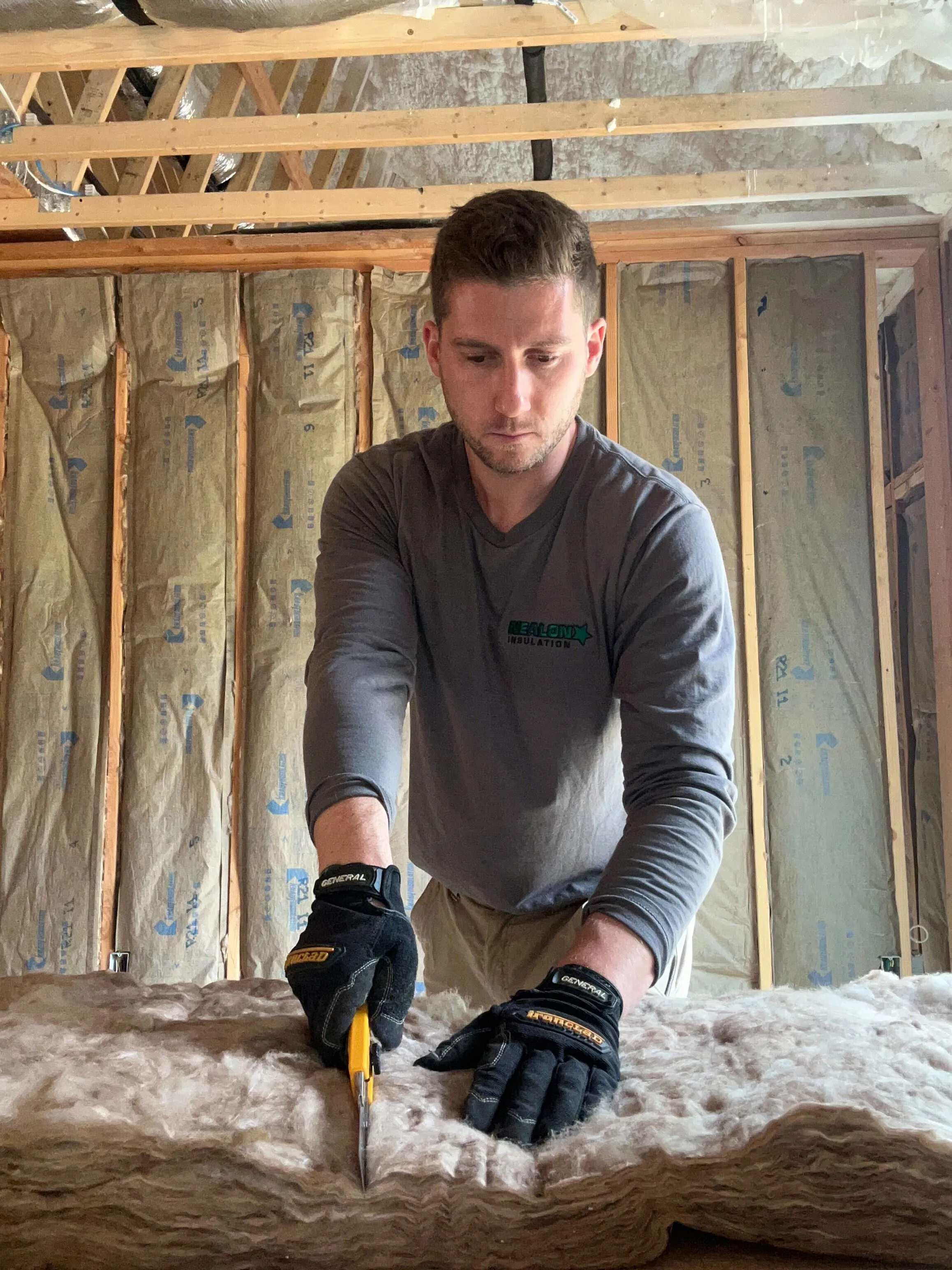

Every winter, Connecticut homeowners crank up the heat, watch their energy bills climb, and start wondering what's wrong. They check the windows. They blame the old boiler. They add another blanket. The attic doesn't even cross their mind.
That's a problem — because in most homes, especially the older ones that make up a big chunk of Connecticut's housing stock, the attic is where the heat is going. Not slowly, either. Through bypasses, gaps, and under-insulated floors, heat escapes faster than your furnace can replace it. The stack effect keeps pulling warm air up and out while cold air floods in from below. Your system runs longer. Your bills reflect it.
The good news is the attic is also where the opportunity is. Compared to wall insulation or window replacement, attic work is accessible, cost-effective, and delivers real, measurable results — especially in a Climate Zone 5A state where winters are long and heating costs are among the highest in the country.
In this post, we're going to walk through the attic improvements that actually move the needle: air sealing the bypasses most contractors miss, hitting the right R-value for Connecticut, fixing the hatch problem nobody talks about, and making sure your ventilation is doing its job. Real strategies, real numbers, no fluff.
Why Your Attic Is the Biggest Energy Drain in Your House
Most homeowners, when they get a high heating bill, immediately think about their windows or their furnace. The attic rarely comes to mind. That's a problem, because in most Connecticut homes — especially anything built before 1980 — the attic is where the money is going.
Heat rises. That's not a theory, that's physics. And if your attic floor isn't properly insulated and air sealed, that heat doesn't stop at the ceiling — it keeps going, right through your roof deck and out into the cold air. This is called the stack effect: warm air pushes up and out through every gap it can find at the top of your house, and cold air gets pulled in from the bottom to replace it. Your furnace runs harder. Your bills go up. Repeat all winter.
Here's the thing about older Connecticut housing stock: a lot of it was built when energy was cheap and nobody was thinking about R-values. We regularly go into attics around the shoreline and find R-11 or R-19 — sometimes less. Current guidance for Climate Zone 5A puts the target at R-49 to R-60. That gap isn't just a number on paper. It's the difference between a house that holds heat and one that burns through it.
The good news is the attic is usually the most cost-effective place to address first. You don't have to gut walls or replace windows. In most cases, you're working in an accessible space with a clear path to real results.
Want to know what the signs of poor insulation actually look like in a Connecticut home? Signs Your Home Isn't Properly Insulated
Air Sealing First — This Is the Step Most People Skip
This is the one that separates a job that actually works from one that just looks good on paper.
Most homeowners think insulation and air sealing are the same thing. They're not. Insulation slows heat transfer — it's the resistance. Air sealing stops air from moving through gaps entirely. You need both. If you only insulate your attic but ignore air sealing, you're basically wearing a winter coat with the zipper open. Looks right. Doesn't work right.
The attic floor is full of holes that most people never see because they're buried under insulation. These are called bypasses, and they're where conditioned air escapes directly into the attic. Common ones include:
- Recessed light fixtures that penetrate the ceiling from below
- Top plates where interior walls meet the ceiling — often wide open into the attic cavity
- Plumbing and electrical chases that run straight from the basement to the attic with nothing blocking them
- Attic hatches that are uninsulated, unsealed, or both
- Dropped soffits above kitchen cabinets or bathroom vanities
In an older Connecticut home, these bypasses can add up to the equivalent of leaving a window open all winter. You can pile on all the blown-in insulation you want — if the bypasses are still open, you're insulating around a problem, not fixing it.
The correct sequence is always air seal first, then insulate over the top. Doing it in reverse means you've buried your access to the bypasses and the work is significantly harder to do right.
This is also why DIY attic insulation so often underdelivers. Bags of blown-in from the home center go in fine. The bypasses underneath stay wide open. The homeowner wonders why their bills didn't change much.
Wondering what air sealing actually costs in Connecticut — and what you'll save? Cost to Air Seal a House in CT
Getting Your R-Value Right for Connecticut
R-value is just a measure of thermal resistance — how hard it is for heat to pass through a material. The higher the number, the better it holds heat in. That's really all you need to know.
For Connecticut, which sits in Climate Zone 5A, the standard guidance for attic insulation is R-49 to R-60. That's the target. Most older homes we go into are sitting somewhere between R-11 and R-19 — if they have anything meaningful at all. If you want a full breakdown of how much insulation you need in Connecticut by area of the house, we've mapped that out in detail. Some have old, compressed fiberglass batts that have lost a good chunk of their rated value just from age and settling.
That gap — between what's there and what should be there — is where your heating dollars are disappearing every winter.
Blown-In vs. Batts on an Attic Floor
For attic floors, blown-in insulation is almost always the better call. Here's why:
- It fills irregular joist bays completely, including around obstructions
- It covers the tops of joists, eliminating thermal bridging through the framing
- It's faster to bring up to the right depth
- It works better in combination with air sealing because it can be added in layers after bypass work is done
Fiberglass batts on an attic floor aren't wrong, but they leave gaps at the edges, compress easily, and don't cover the framing — which means you still have thermal bridging through every joist. For a new construction attic floor with clean, open bays, batts are fine. For an older Connecticut home with irregular framing, existing insulation, and a dozen bypasses to deal with, blown-in wins.
How Much Depth Are We Talking?
To hit R-49 with blown-in fiberglass, you're looking at roughly 16 to 17 inches of material. Blown-in cellulose gets you there in about 13 to 14 inches. Either way, the depth markers installed during the job tell you exactly where you land — there's no guesswork.
One thing worth knowing: if your attic joists are only 2x6 or 2x8, you'll blow past the top of them quickly. That's fine and expected — the insulation should cover the framing entirely. Just make sure any ventilation baffles are in place before the work starts so you're not blocking airflow at the eaves.
The Attic Hatch Problem Nobody Talks About
You can air seal every bypass in your attic, hit R-60 on the floor, and do everything right — and then lose a meaningful chunk of that work through a 22x30 inch piece of uninsulated drywall sitting in a cheap metal frame.
The attic hatch is one of the most overlooked weak points in the entire building envelope. It's also one of the easiest to fix.
A standard pull-down stair or hatch cover has almost no insulation value on its own. The thin wood or drywall panel that separates your conditioned living space from an unconditioned attic might have an R-value of 1 or 2. In the middle of a Connecticut winter, that hatch is basically a cold spot in your ceiling radiating heat loss directly into the room below.
There are two problems to solve here — insulation and air sealing. They're related but separate:
- Insulation: The hatch cover itself needs to be insulated. For pull-down stairs, an insulated cover box installed over the frame on the attic side is the standard fix. For simple hatch doors, rigid foam board cut to fit and adhered to the back of the panel gets the job done.
- Air sealing: The frame where the hatch meets the ceiling needs weatherstripping. Without it, air moves freely around the edges regardless of how well you've insulated the panel itself.
A properly insulated and sealed attic hatch isn't a big investment — in most cases it's a straightforward afternoon of work. But skipping it after doing everything else in the attic is like patching every hole in a boat except one. The water still gets in.
If you have pull-down attic stairs, pay extra attention. The entire stair assembly is typically uninsulated and poorly sealed from the factory. The gaps around the frame alone can be significant. An insulated stair cover box — either purchased or site-built — addresses both issues at once and is well worth the effort.
Ventilation — Don't Confuse It With Air Sealing
This is where a lot of homeowners — and honestly, some contractors — get confused. Ventilation and air sealing sound like they're working against each other. They're not. They serve completely different purposes, and you need both doing their jobs correctly.
Air sealing is about stopping conditioned air from moving between your living space and your attic. Ventilation is about moving outside air through the attic cavity itself — specifically along the underside of the roof deck. These are two separate systems operating in two separate zones, and mixing them up leads to real problems.
Here's why attic ventilation matters in Connecticut:
- Ice dams. When warm air from the living space leaks into the attic and heats the roof deck unevenly, snow melts and refreezes at the cold eaves. That's an ice dam. Proper ventilation keeps the roof deck cold and uniform in winter, which is exactly what you want.
- Moisture buildup. In summer, an unventilated attic can turn into a pressure cooker. Heat and humidity build up, which accelerates sheathing deterioration and can lead to mold on the roof deck.
- Shingle life. Excessive heat buildup in a poorly ventilated attic shortens the lifespan of your roofing materials. Your roofer will tell you the same thing.
The basic rule of thumb for balanced attic ventilation is a 1:150 ratio — one square foot of net free ventilation area for every 150 square feet of attic floor space, split evenly between intake at the soffits and exhaust at the ridge. Most code authorities accept a 1:300 ratio if at least 50% of the ventilation is at the upper portion of the attic. Your contractor should be checking this as part of any attic insulation project.
What you don't want is insulation stuffed into the eaves blocking soffit vents. That's unfortunately common in older Connecticut homes — either from original installation errors or from insulation shifting over time. Ventilation baffles installed between the rafters before blowing in insulation keep the airway open from soffit to ridge, which is exactly how it should work.
The short version: seal the attic floor tight against air movement from below. Keep the roof cavity ventilated from outside air above. Do both, and your attic works the way it's supposed to.
Curious why ice dams form on Connecticut roofs and what it actually takes to stop them? Why Ice Dams Form on Your Roof
What This Looks Like in Real Numbers
At some point the conversation has to get practical. What does fixing your attic actually save you?
The honest answer is: it depends on your starting point, your home's size, and how leaky things are right now. But there are solid benchmarks to work from.
The U.S. Department of Energy estimates that air sealing and insulating an attic can reduce heating and cooling costs by 10% to 20% for a typical home. For a Connecticut homeowner spending $3,000 to $4,000 a year on heating — which is not unusual given that Connecticut has some of the highest energy costs in the country — that's $300 to $800 back in your pocket annually. Every year.
Homes that are starting from a very low baseline — R-11 or less, minimal air sealing, open bypasses — often see results at the higher end of that range or beyond. We've seen homes where the attic work alone made a noticeable difference in the first heating season.
Energize CT Rebates
Connecticut homeowners have access to rebates through Energize CT rebates that can meaningfully offset the cost of attic insulation and air sealing. The program is run in partnership with Eversource and United Illuminating and offers incentives for qualifying insulation improvements. The rebate amounts change periodically, so the best move is to check the current offerings at EnergizeCT.com or ask your contractor to walk you through what's available at the time of your project.
If your household income qualifies, there are also enhanced incentive programs that can cover a significantly larger portion of the project cost. It's worth asking about.
Payback Window
For most Connecticut homeowners doing a full attic air seal and insulation project, the payback period — meaning the point where energy savings equal the cost of the work — typically falls somewhere in the 3 to 7 year range depending on project scope, energy prices, and rebates applied. After that, the savings are pure return.
Given that heating costs in Connecticut aren't going down anytime soon, that math gets more favorable every year you own the house.
Want to run the numbers on your own home before calling anyone? Insulation ROI Savings Calculator
Wrapping It Up
Your attic isn't glamorous. Nobody's putting it on a home renovation wish list. But if you're serious about cutting your energy bills in Connecticut, it's the single best place to start — and in most cases, the highest return on investment in the entire house.
The strategy isn't complicated: air seal the bypasses first, bring the insulation up to where it should be for Climate Zone 5A, fix the hatch, and make sure ventilation is doing its job along the roof deck. Do all four of those things correctly and your house holds heat the way it's supposed to. Your furnace runs less. Your bills drop. Your upstairs rooms stop feeling like a different climate zone than your downstairs.
A lot of Connecticut homes have been losing heat through their attics for decades — not because the fix is hard, but because nobody ever addressed it properly. If your home was built before 1980 and hasn't had attic work done recently, there's a very good chance you're in that category.
The work pays for itself. Energize CT rebates help get you there faster. And the results show up in the first heating season.
👉 Contact Nealon Insulation — if your attic is costing you more than it should, we'll find out exactly where the heat is going and what it'll take to fix it.
Frequent Questions About Attic Insulation and Energy Savings
How do I know if my attic needs more insulation?
The most obvious signs are high heating or cooling bills, rooms that never seem to reach a comfortable temperature, or drafts that appear to come from the ceiling. If you can see the tops of your floor joists in the attic, that's a clear indicator — you should have enough insulation to cover them completely and then some. For Connecticut homes, the target is R-49 to R-60, which works out to roughly 13 to 17 inches of blown-in insulation depending on the material. If you're looking at 4 or 5 inches of old fiberglass batts, you're well below where you need to be. A quick attic inspection by a qualified contractor will tell you exactly where you stand.
Can I add insulation on top of what's already there?
In most cases, yes — but with an important condition. Before any new insulation goes in, the attic floor needs to be air sealed. If you skip that step and just add material on top of the existing insulation, you're burying the bypasses without fixing them. The new insulation will slow things down marginally, but the air leakage continues underneath. The right approach is to pull back or work around the existing material, seal every bypass you can find, and then add insulation to bring the total depth up to the target R-value.
How long does attic insulation last?
Blown-in fiberglass and cellulose, when properly installed in a dry, well-ventilated attic, can last 20 to 30 years or more without significant degradation. The bigger enemies are moisture intrusion and pest activity — both of which can compromise insulation faster than age alone. In Connecticut shoreline homes especially, it's worth having the attic inspected periodically for signs of moisture, since humidity levels near the water are higher than inland. If you find wet, compacted, or damaged insulation, it needs to come out before new material goes in.
Does attic insulation help in the summer too?
Absolutely. The same thermal barrier that keeps heat in during winter keeps radiant heat out during summer. An attic without adequate insulation turns into a heat source in July and August — the roof deck absorbs solar radiation all day and radiates it down into the living space. Proper attic insulation and ventilation work together to reduce that heat load, which means your air conditioning runs less and your upstairs rooms stay more comfortable. For Connecticut homeowners dealing with humid summers, this is a real quality-of-life improvement, not just a winter story.
Do I need a permit for attic insulation work in Connecticut?
For most standard attic insulation and air sealing projects in Connecticut, a building permit is not required. However, requirements vary by municipality, and certain types of work — particularly spray foam applications or projects tied to a larger renovation — may require a permit depending on your town. A reputable contractor should be able to tell you upfront whether a permit is needed for your specific project. If you're pursuing Energize CT rebates, your contractor will also need to be a registered participating contractor with the program, which comes with its own documentation requirements.
Related Articles


Let's Work Together
Ready to transform your home into an energy-efficient haven? Schedule your free energy assessment today and experience the Nealon difference for yourself.