
Why Ice Dams Form on Your Roof (And What You Can Do About It)
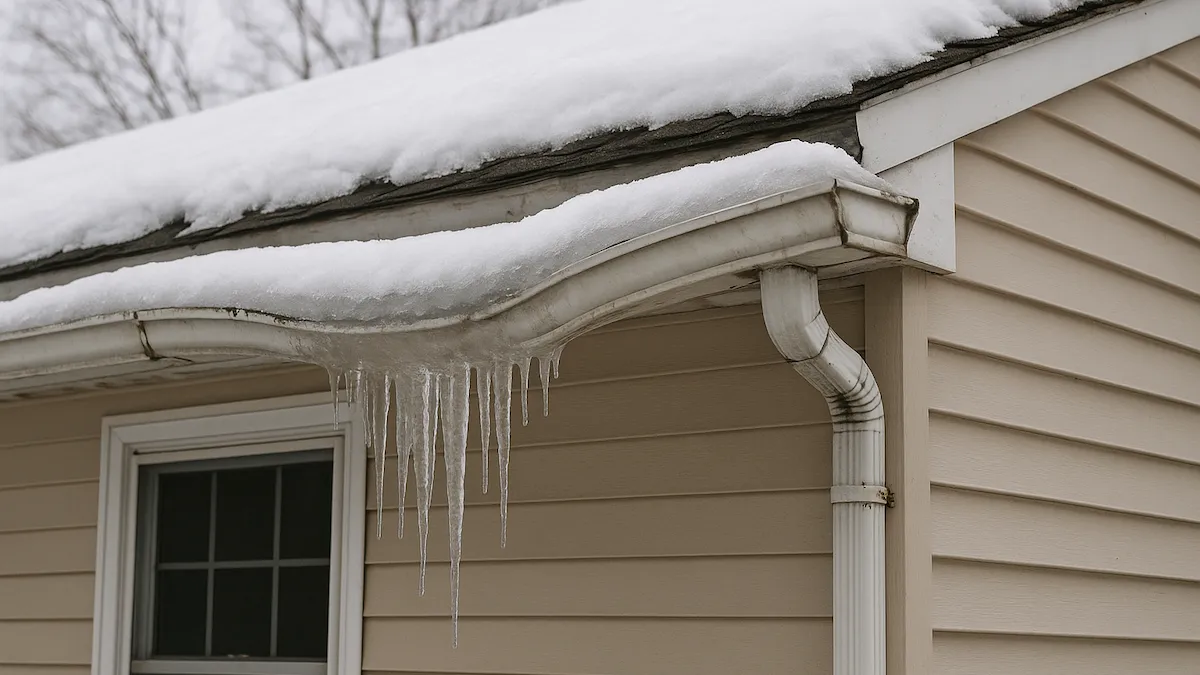
An ice dam is a thick ridge of ice that forms along the edge of your roof, typically right above the gutters, when melting snow refreezes before it can drain off the house. It may look like a normal part of winter in Connecticut, but it’s a red flag that heat is escaping through your attic and warming the roof surface.
Unlike light frost or icicles, ice dams cause real damage. As the ice barrier grows, melting snow from higher on the roof pools behind it. With nowhere to go, water can creep beneath shingles, soak the roof deck, saturate insulation, and eventually show up as stains or leaks inside your home.
In short, an ice dam is a symptom. The underlying cause is almost always inside the house, usually tied to heat loss, poor insulation, or inadequate attic ventilation.
Why Do Ice Dams Form?
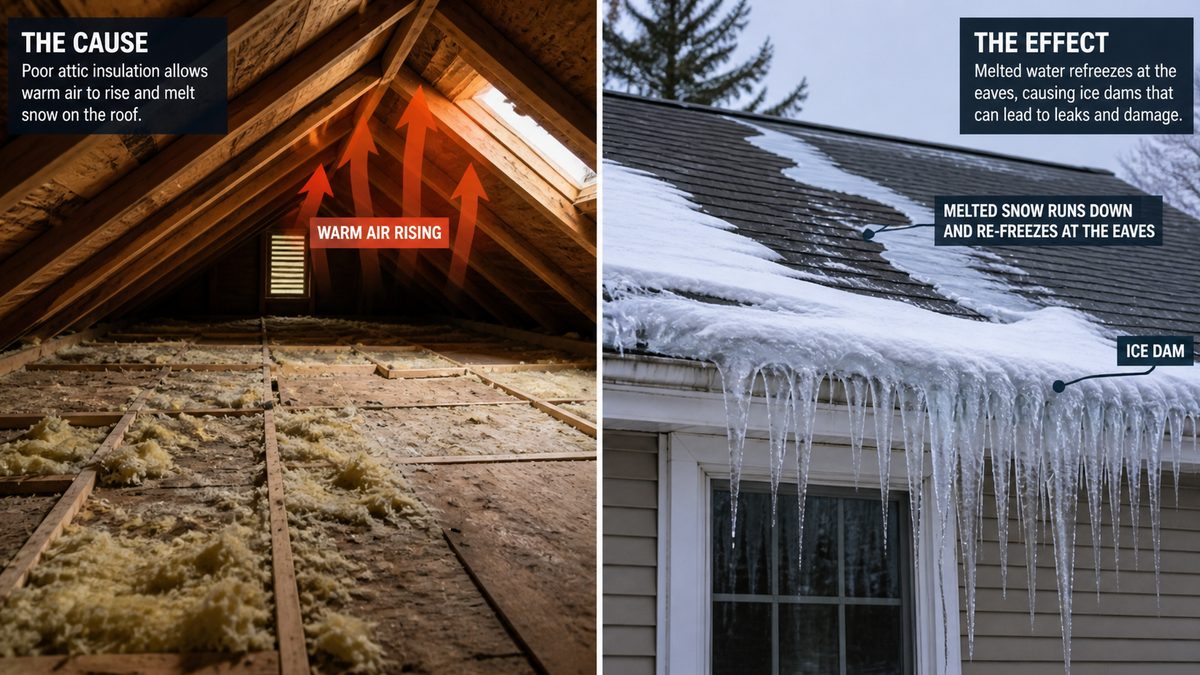
Ice dams form when warm air from inside the home escapes into the attic and warms the underside of the roof. This uneven roof temperature sets off a familiar winter pattern: the upper portion of the roof becomes warm enough to melt snow, while the lower edges (the eaves) remain below freezing. As meltwater runs down the roof and hits those colder edges, it refreezes and builds up.
The freeze–thaw cycle repeats all winter long. Every time more heat escapes into the attic, more snow melts. Every time the water reaches the cold eaves, the dam grows. Eventually, the trapped water begins working its way under shingles and into the home.
Ice dams don’t start on the roof, they start inside. Air leaks, outdated insulation, and poor ventilation all work together to warm the roof from below and trigger the problem.
The Root Causes of Ice Dams
Ice dams only occur when interior heat escapes into the attic and alters roof temperatures. Here are the three primary contributors.
Air Leakage From the Home
Warm indoor air naturally rises, and if your attic isn’t properly sealed, it slips through cracks and gaps. Trouble spots include recessed lights, attic hatches, plumbing penetrations, chimney chases, and gaps around ductwork. Once warm air reaches the attic, it heats the roof deck and melts the snow above.
Inadequate Attic Insulation
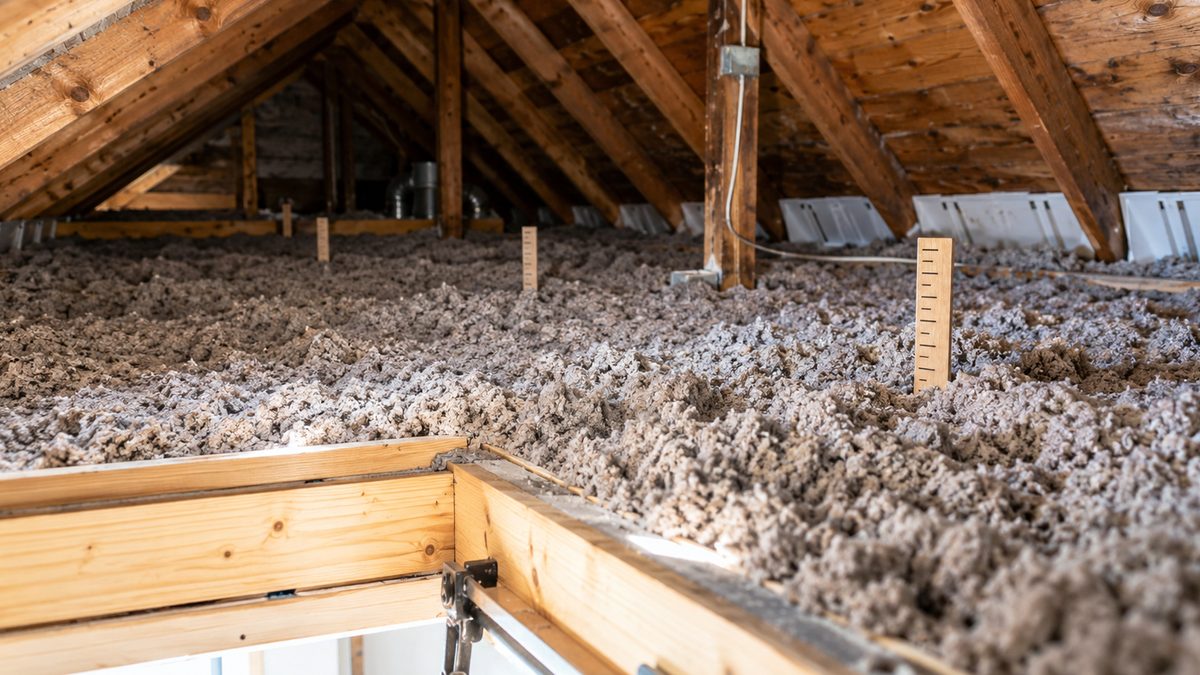
Many Connecticut homes lack the insulation needed to maintain a cold roof deck. Insulation that is thin, uneven, compressed, or simply below current R-value recommendations allows heat to escape into the attic. Even small gaps can warm sections of the roof enough to start the melt–freeze cycle.
Poor Roof Ventilation
Ventilation helps regulate attic temperature by allowing cold outdoor air to move through the space. Without adequate soffit vents, ridge vents, and baffles, heat builds up under the roof deck. Ventilation alone won’t solve ice dams, but combined with air sealing and proper insulation, it keeps the roof consistently cold.
How Ice Dams Damage Your Home
Ice dams may start outside, but the damage they cause quickly becomes an inside problem. Once a dam forms, it traps melted snow behind it. With nowhere to drain, water begins to work its way into the home.
Water Backing Up Under Shingles
Shingles shed water—they’re not designed to hold it. Pooling water can slip beneath them, soaking roof decking and traveling along framing.
Wet Insulation and Mold Growth
When water reaches the attic, insulation becomes wet and loses its effectiveness. Damp insulation also encourages mold growth, which affects air quality and often requires professional remediation.
Interior Leaks and Staining
Ceiling stains, bubbling paint, or wall discoloration are often the first visible signs of an ice dam. By the time this happens, the damage behind the scenes is typically more extensive.
Gutter and Structural Stress
Ice dams add significant weight to gutters and roof edges. Over time, this can pull gutters away from the home or damage fascia boards.
Ice dams are more than a winter annoyance, they’re a signal that your attic is losing heat and putting your home at risk.
How to Prevent Ice Dams (The Right Way)
The only lasting way to stop ice dams is to address the interior conditions that cause them. Fix the heat loss, and you fix the ice dams.
Seal Attic Air Leaks
Air sealing is the most important step. Common leak points include recessed lights, attic hatches, plumbing penetrations, open wall tops, and chimney gaps. Sealing these areas prevents warm air from reaching the attic and heating the roof deck.
Upgrade Attic Insulation
After sealing leaks, insulation keeps attic temperatures stable. Connecticut homes should aim for R-49 to R-60. Effective materials for ice dam prevention include dense-pack cellulose, mineral wool, and spray foam. Proper insulation maintains a cold roof surface and stops uneven melt patterns.
Improve Attic Ventilation
Attic ventilation keeps the attic close to outdoor temperature. Balanced airflow—with soffit vents for intake and ridge vents for exhaust—prevents heat from accumulating under the roof. Baffles help maintain airflow above the insulation and ensure proper circulation.
Temporary Seasonal Fixes (If Ice Dams Are Already Present)
These won’t stop ice dams from forming again, but they can help in the moment:
- Roof rakes to clear snow from roof edges
- Calcium chloride socks to melt channels through ice
- Professional steam removal for stubborn dams
Permanent solutions come from improving insulation, sealing leaks, and balancing ventilation.
How to Know If Your Insulation Is Causing Ice Dams
You don’t need to get on a ladder to diagnose the problem. Most signs show up inside the attic or on the roof surface.
Uneven Snow Melt
If snow melts near the ridge but stays frozen at the eaves, that’s a classic heat-loss pattern.
A Warm Attic
Your attic should feel close to outdoor temperature. If it’s noticeably warm, insulation and air sealing are likely insufficient.
Insulation Gaps or Settling
Old or compressed insulation allows heat to reach the roof deck.
High Heating Bills + Ice Dams
If you’re paying too much to heat your home and you’re seeing ice dams, heat loss is almost always the culprit.
Interior Signs
Drafts, ceiling stains, darkened insulation, or moisture around vents are all indicators that warm air is leaking into the attic.
FAQ's on Ice Dams
Do ice dams always mean I need new insulation?
Ice dams don’t always require new insulation, but poor or insufficient insulation is a common cause. Ice dams form when heat escapes from the attic, often due to air leaks, low R-values, or compressed insulation. A full fix usually includes upgraded insulation, air sealing, and proper attic ventilation.
Can ice dams form even on new roofs?
Yes, ice dams can form on new roofs because they result from heat escaping into the attic, not roofing age. Poor insulation, air leaks, or inadequate ventilation can warm the roof deck and cause snow to melt and refreeze at the edges. Shingle replacement alone won’t stop ice dams.
Does spray foam prevent ice dams?
Spray foam helps prevent ice dams by sealing air leaks and insulating in one step. Closed-cell spray foam creates a continuous thermal barrier that stops warm air from reaching the roof deck. However, proper ventilation is still required to balance attic temperatures and moisture levels for full effectiveness.
How fast can ice dams damage a home?
Ice dams can damage a home within hours of meltwater pooling. Once trapped, water seeps through cracks, nail holes, or shingle gaps and penetrates roof decking. Damage often spreads unseen along insulation and framing before appearing indoors, sometimes days or weeks later as stains or leaks.
Can ice dams cause mold?
Yes, ice dams can cause mold by allowing water to leak into attics, insulation, and wall cavities. Moisture trapped in these areas creates ideal conditions for mold, which can form within 24–48 hours. Preventing heat loss that causes ice dams is the best way to stop mold before it starts
Ready to Stop Ice Dams for Good?
If you’re seeing ice dams, the problem isn’t your roof, it’s what’s happening in your attic. Our team at Nealon Insulation can diagnose the heat-loss issues causing the ice, seal the leaks, upgrade the insulation, and restore your home’s winter performance.
Don’t wait until water stains or mold show up. Schedule a professional inspection and get a long-term fix that protects your home, your roof, and your energy bills.
👉 Get your free insulation estimate from Nealon Insulation.
Related Articles

Let's Work Together
Ready to transform your home into an energy-efficient haven? Schedule your free energy assessment today and experience the Nealon difference for yourself.