
The ABCs of Insulation: Attic, Basement, and Crawl Space
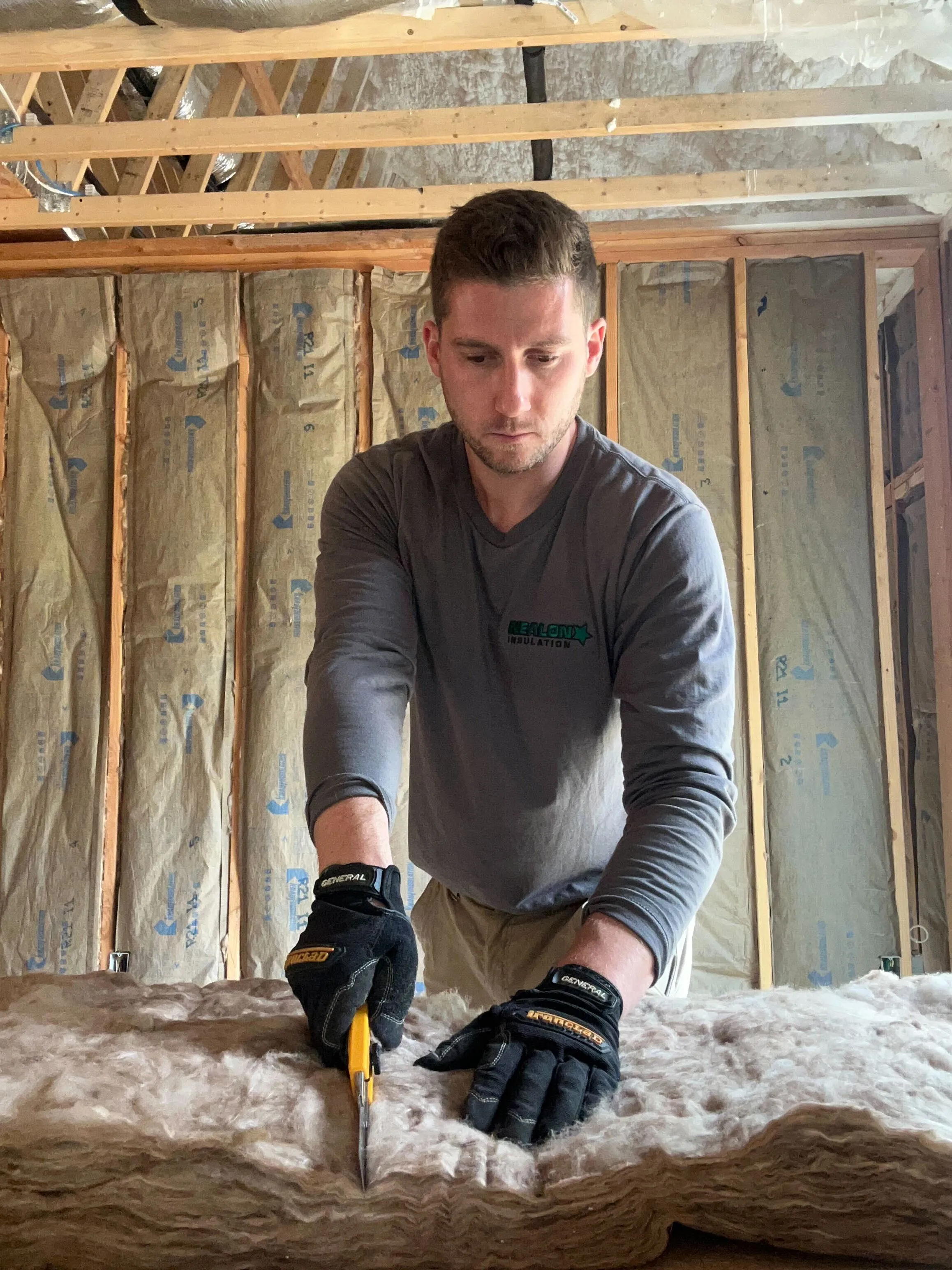

You know your Connecticut house is losing heat. The oil bill says so, the cold kitchen floor says so, and the icicles hanging off the gutters every February say it loudest. What you don't know is where to spend first, because the three spaces most likely to be the problem are the three you never go into: the attic, the basement, and the crawl space.
Those are the ABCs of insulation, and the order matters more than the alphabet suggests. Nealon Insulation has worked as one of Connecticut's attic insulation contractors since 1977, insulating shoreline homes from Clinton to Old Saybrook, and most of our jobs start at the top. Not all of them, though. Here's how to tell which letter your house needs first.
Attic or Basement First? Dry It, Seal It, Then Insulate It
The order you insulate in follows three rules, in sequence: fix moisture first, seal air leaks second, and add insulation third. Insulation laid over a damp crawl space or a wet rim joist turns into a sponge. Insulation piled over open air leaks is a winter coat with the zipper down. So if you've ever wondered whether to air seal or insulate first, the answer is seal, every time.
Those rules matter in Connecticut because the houses are old. About 54% of the state's 1.55 million homes were built before 1970, according to the U.S. Census Bureau's 2024 American Community Survey, ahead of Connecticut's first building code in 1971. One in five predates 1940. Most went up with little or no insulation anywhere, so the question isn't whether you need work. It's which letter goes first.
In most houses, the order runs:
- A, the attic: biggest heat loss, lowest cost per square foot, fastest payback
- B, the basement: cold floors and drafts that start at the rim joist
- C, the crawl space: usually last, unless it's wet, and then it goes first
A Is for Attic: Usually the First Dollar
The attic is the first place to insulate in most Connecticut homes because warm air rises and leaves through the top of the house, pulling cold air in down low to replace it. An under-insulated attic is the chimney that drives that whole loop. It's also why Connecticut gets ice dams: heat leaking into the attic melts roof snow, and the water refreezes at the cold eaves.
The Connecticut target for attics is R-49 to R-60, which works out to roughly 14 to 18 inches of blown-in cellulose. Nealon's typical price for an attic floor insulated to R-49 with blown-in cellulose is $3.00 to $3.50 per square foot, so a 1,000-square-foot attic runs about $3,000 to $3,500 before rebates. Energize CT rebates cover attic floors at up to $2.00 per square foot or 75% of the project cost, whichever is less, capped at $10,000 per home. The exact number comes from a free, no-obligation estimate.
The 5-Minute Attic Check
You can measure your attic insulation yourself with a flashlight and a tape measure:
- Open the attic hatch and look from the ladder or a solid board. Never step between the joists; the ceiling below won't hold you.
- Push a tape measure down through the insulation to the ceiling drywall in 3 spots, away from the hatch.
- Read the depth. Less than 6 inches means you're likely below R-19, well under the R-49 to R-60 target.
- Look for dark, dirty patches in the insulation around light fixtures, the chimney, and the wall tops. Dirt in insulation marks an air leak, because the insulation is filtering air that moves through it.
- Photograph everything, including the hatch itself.
If you see gray-brown, pebbly insulation that looks like gravel, stop and don't disturb it. That may be vermiculite, which can contain asbestos and needs testing before anyone works in the attic.
The DIY line is clear here. Measuring and photographing is a homeowner job. Sealing the leaks around wiring, plumbing, and chimneys, protecting the eave vents with baffles, and blowing the attic to R-49 is a crew job, mostly because the hardest spots sit at the eaves where nobody fits.
Which insulation material fits the attic, basement, and crawl space
B Is for Basement: Start at the Rim Joist
In a basement, the rim joist is the first thing to insulate, because it's where the wood frame of the house sits on the foundation, and it leaks air along the entire perimeter. New England is basement country, so this is the cold-floor problem most Connecticut homeowners actually have. When the first floor feels chilly even though the thermostat says 68, the draft usually starts at the top of the basement wall.
Here's the test. On a cold, windy day, run your hand along the top of the foundation wall where the floor joists sit. A draft you can feel, daylight you can see, cobwebs swaying, or old fiberglass stuffed in the joist bays and gone gray with dust all point to an open rim joist.
Professional basement insulation installation starts at the rim joists before touching the walls. Nealon's typical price for closed-cell spray foam on rim joists is $2.30 to $3.00 per square foot, and rim joists and basement ceilings both appear on the Energize CT rebate list. Spray foam at the rim joist is a pro job: it needs the right fire protection, and it has to bond to wood that's dry. What you can do yourself is find the problem and photograph it.
One rule for basement walls: never press fiberglass batts against damp concrete. Concrete wicks ground moisture, and fiberglass against it holds that moisture right where mold likes to grow.
Why the rim joist is the most overlooked spot in your home's thermal envelope
C Is for Crawl Space: Water Before R-Value
A crawl space jumps to the front of the line when it's wet, because insulation installed over a damp crawl space traps moisture against the floor framing. Shoreline homes have it worst: a high water table and humid Connecticut summers keep the soil damp, and that damp air rises into the house.
Grab a flashlight and look in from the access door. Signs your crawl space needs attention first:
- A musty smell upstairs, especially in summer
- Bare, damp, or dark soil with no vapor barrier
- Standing water after a heavy rain
- Fiberglass batts sagging out of the floor joists or lying on the ground
How a crawl space gets insulated depends on whether it's vented. A vented crawl space gets R-30 in the floor above it. A sealed, unvented crawl space gets R-15 continuous or R-19 cavity insulation on its walls, with a vapor barrier over the ground. In damp shoreline crawl spaces, sealing usually wins, because venting humid summer air into a cool crawl space adds moisture rather than removing it.
Done right, crawl space insulation starts with stopping the water, not with the insulation. A full encapsulation project, with vapor barrier, wall treatment, and insulation, typically runs $6,000 to $18,000 depending on size, existing conditions, and materials. If you see standing water or droppings, don't crawl in. Take photos from the access door and leave the rest to a crew with the right gear.
How Nealon seals and encapsulates Connecticut crawl spaces
Which Letter Comes First in Your House?
Your home's symptoms tell you which letter to start with, and moisture always outranks everything else.
Not sure which describes your house? The 5-question quiz below scores your answers against those same signs. Moisture below the house points to C, attic signs like less than 6 inches of insulation or ice dams point to A, cold floors and rim joist drafts point to B, and a tie goes to the attic.
Whatever the result, here's what to do this weekend without spending a dime: measure your attic depth, run the rim joist hand test, look into the crawl space with a flashlight, and photograph all three. Then book an Energize CT Home Energy Solutions audit. The copay is $40, and the audit is the required first step to unlock the insulation rebate.
Adding insulation to an existing Connecticut home: what it costs and where to start
Start at the Top, Unless the Bottom Is Wet
The ABCs give you the default order: attic first for the biggest heat loss, basement rim joists next for cold floors, and the crawl space last. Moisture breaks the order every time, because insulation can't do its job wet, and air sealing comes before insulation in every space.
Measure, look, and photograph before you call anyone. When you do call, you'll already know which letter your house needs, and you'll be able to tell whether a contractor's plan matches what you saw.
👉 Get a free estimate for attic insulation — We'll measure what's in your attic, check the basement and crawl space while we're there, and tell you honestly which letter your house needs first.
Frequent Questions About Where to Insulate First
Can I insulate the attic, basement, and crawl space in one project?
You can insulate the attic, basement, and crawl space in one project, and doing them together saves a second setup visit. Energize CT rebates apply per home, up to $10,000, so a combined job can draw from the same rebate cap. Moisture work in the crawl space still has to finish before insulation goes over it. Bundle the 3 spaces into one estimate to compare the full cost against the rebate and plan the work in the right order.
Is it worth insulating a basement ceiling if I don't use the basement?
Insulating a basement ceiling is worth it in an unused basement when the floors above feel cold. The ceiling becomes the boundary between the heated house and the cold basement, so it needs R-30, the Connecticut target for floors over unconditioned space. Nealon's typical price for R-30 fiberglass in a basement ceiling is $2.15 to $2.75 per square foot, and basement ceilings qualify for Energize CT rebates. Seal the rim joists first, then insulate the ceiling, to warm the floors and cut drafts.
Can I insulate the attic myself and hire a pro for the crawl space?
You can insulate the attic yourself and hire a pro for the crawl space, but the rebate math favors a professional attic job. Energize CT pays $0.25 per square foot for approved DIY insulation, compared with up to $2.00 per square foot for work by an Energize CT Insulation Installers Network contractor. The gap exists because professional installs include the air sealing that makes attic insulation perform. Compare a free professional estimate against your DIY materials cost before you buy a single bag.
How long does attic, basement, and crawl space insulation take?
Nealon completes most insulation installations in 1 to 2 days. A combined job that includes crawl space moisture work can run longer, because the vapor barrier and water problems have to be handled before insulation goes in. Homeowners usually stay in the house during the work, since crews work in the attic, basement, and crawl space rather than the living areas. Ask for a project timeline with your estimate to plan around the work.
Do I have to clear out my attic before it gets insulated?
You have to clear stored items off the attic floor before it gets insulated, because blown-in insulation needs to cover the whole floor to reach R-49. Floored-over attics can still be insulated, and they qualify for Energize CT rebates. Homeowners who want storage back can add raised storage decking above the new insulation, which Nealon installs at $85 per 4x8 sheet. Move boxes out before installation day to avoid compressing the insulation and losing R-value.
Related Articles


Let's Work Together
Ready to transform your home into an energy-efficient haven? Schedule your free energy assessment today and experience the Nealon difference for yourself.