
Hotter, Wetter, Worse: How to Prep Your CT Home for Summer

Connecticut summers have never been gentle, but the pattern is shifting. Hotter stretches, heavier rainstorms, and humidity that sticks around longer than it used to. If you've been paying attention, you've noticed. El Niño years tend to amplify all of it, pushing temperatures and storm intensity toward the higher end of what we already expect here in Climate Zone 5A.
The good news is that most of what makes a home miserable in extreme summer weather is fixable before the worst of it arrives. These five actions won't take a contractor — most of them are inspection and maintenance tasks any homeowner can knock out on a Saturday. But a couple of them, if you haven't addressed them in years, might be worth a professional look before July.
1. Check Your Attic Ventilation and Insulation
A poorly ventilated attic in July can hit 150°F. That's not a typo. The heat radiating down from that space into your living areas forces your air conditioner to work overtime, and in an older Connecticut home with thin or settled insulation, it loses that battle fast.
Why Attic Heat Is a Summer Problem, Not Just a Winter One
Most homeowners think of attic insulation as a cold-weather upgrade. It is, but the same thermal barrier that keeps January heat from escaping also keeps August heat from pouring in. Without adequate insulation between the attic floor and your living space, you're essentially letting the sun bake your house from the inside.
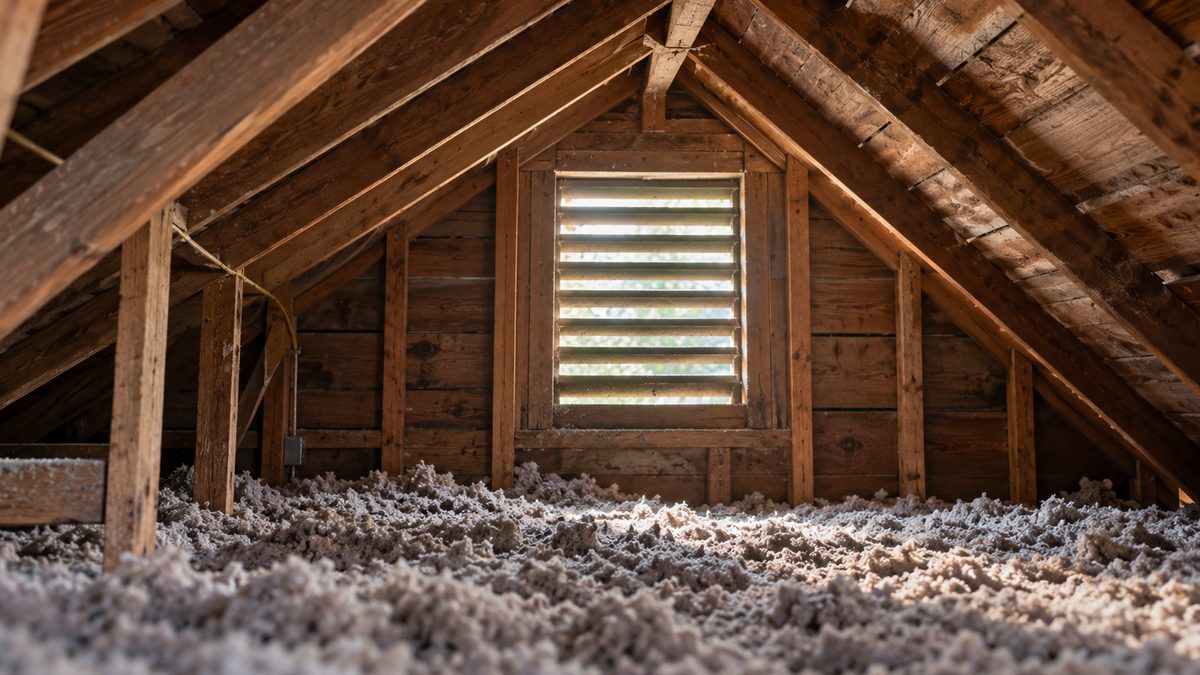
In Connecticut, the target attic R-value is R-49 to R-60. If your home was built before 1980 and the insulation hasn't been touched since, there's a good chance you're sitting at R-19 or less, especially if you've got old fiberglass batts that have compressed. Blown-in insulation is the typical upgrade path for attics like these.
What to Look For Before Summer Hits
Go up and take a look. You're checking for two things: insulation depth and airflow. On the insulation side, if you can see the tops of the joists, you don't have enough. On the ventilation side, make sure your soffit vents aren't packed with insulation blown against them, and that your ridge vent or roof vents aren't blocked by debris. Blocked soffit vents are one of the most common mistakes we find in older Connecticut homes — they kill the passive airflow that keeps the attic from turning into an oven. If you're not sure what you're looking for, a quick visit from an attic ventilation contractor can catch issues you'd miss from a ladder.
2. Clean Gutters and Verify Drainage Away from the Foundation
Connecticut summers can drop two inches of rain in an afternoon. If your gutters are clogged with leaf debris from last fall, that water has nowhere to go. It backs up, overflows, and runs straight down your foundation walls.
What Happens When Gutters Fail in a Heavy Storm
A clogged gutter during a heavy downpour isn't just an inconvenience. The overflow saturates the soil directly against your foundation, increases hydrostatic pressure against basement walls, and creates the exact conditions that lead to water intrusion. On older homes along the shoreline, where the original drainage grading has often shifted over the decades, this is a recurring problem every wet summer.
Where the Water Goes Matters as Much as Where It Starts
Clean gutters are only half the job. Walk your downspout discharge points and make sure water is directed at least six feet away from the foundation, ideally toward a slope that carries it further into the yard. Splash blocks help, but if the grade is working against you and sloping back toward the house, that's a project worth addressing before storm season. Foundation water intrusion doesn't announce itself quietly.
3. Seal Air Leaks and Weatherstrip Exterior Doors
People associate air sealing with winter. That makes sense — nobody wants cold drafts in January. But in summer, the same gaps that let in cold air in December let in hot, humid air in August. And in a Connecticut summer, the humidity side of that equation is often more damaging than the heat.
Air Sealing Isn't Just a Cold-Weather Upgrade
When your air conditioner runs, it's not just cooling your house. It's dehumidifying it. Every gap around an attic hatch, every unsealed pipe penetration in the basement, every exterior door with a worn weatherstrip is an entry point for humid outdoor air. Your AC can't keep up with an endless supply of it. The result is higher energy bills, muggy rooms, and a cooling system that's working constantly but never quite getting there.
Where to Focus First
The highest-impact spots are attic hatches, basement rim joists, plumbing and electrical penetrations, and exterior door frames — all areas covered by professional air sealing services. Weatherstripping on exterior doors is easy to check: close the door and look for light gaps at the edges, or hold a piece of paper in the frame and see if it slides freely. If it does, you're leaking conditioned air all summer long.
4. Service Your Cooling System Before You Really Need It
The worst time to discover your air conditioner has a problem is the first 95-degree day of July. By then, every HVAC contractor in Connecticut is booked solid and parts are backordered. A pre-season tune-up in May or early June takes thirty minutes to schedule and can prevent a week of misery.
What a Pre-Season HVAC Check Actually Covers
Start with the basics yourself: change the air filter, clear any debris from around the outdoor condenser unit, and make sure the area has at least two feet of clearance on all sides. Restricted airflow around the condenser is one of the top causes of reduced cooling efficiency in summer.
If you haven't had a professional tune-up in a couple of years, schedule one. A technician will check refrigerant levels, inspect the coils and electrical connections, and verify the system is operating at the correct capacity. A cooling system that's low on refrigerant will run constantly, cool poorly, and rack up your electricity bill. Connecticut electricity rates are already among the highest in the country.
5. Trim Trees and Inspect Your Exterior Envelope
Summer storms in Connecticut move fast and hit hard. A branch that looks perfectly fine in June can come down on a roof in August if the tree hasn't been maintained. Storm damage to roofing, flashing, or siding is expensive and disruptive, and most of it is preventable with a pre-season walk-around.
Branches, Flashing, and the Gaps Nobody Thinks About
Trim any branches that hang over the roof, especially anything dead or showing signs of weakness. Pay attention to where branches rub against siding or gutters — those contact points cause slow damage that compounds over years.
While you're outside, walk the full perimeter and look at the exterior envelope with fresh eyes. Check roof flashing at chimneys, skylights, and any roof-wall transitions — this is where water finds its way in when storms hit at an angle. Look at vent covers, exhaust caps, and any exterior penetrations for gaps, missing caulk, or damaged screens. Pests follow the same paths water does, and pest and rodent barriers start with closing those gaps before anything gets inside.
Conclusion
None of these five steps requires a major investment. They do require paying attention before the season is already underway, which is the part most homeowners skip. Connecticut summers don't give you much warning before the first brutal stretch arrives, and a home that's been properly vented, sealed, drained, and serviced handles it without drama.
The two items most worth a professional set of eyes: attic insulation and air sealing. If your home is pre-1980 and neither has been addressed in years, summer is a good time to get an assessment. The Energize CT Home Energy Solutions program covers a $40 audit copay, and insulation rebates go up to $10,000 depending on scope.
👉 Contact Nealon Insulation — if your attic, air sealing, or insulation hasn't been assessed recently, let's take a look before the heat arrives.
Frequent Questions About Summer Home Preparation
How Do I Know If My Attic Has Enough Insulation for Summer?
Determine if your attic has enough insulation for summer by checking the floor joists. If you can see the tops of the joists, your attic needs more insulation. In Connecticut, the recommended attic insulation level is R-49 to R-60. Most homes built before 1980 have less insulation than recommended, especially if the original fiberglass batts have never been upgraded. A certified energy auditor can measure your attic's current R-value and identify the insulation needed to reach the recommended level.
Does Air Sealing Actually Make a Difference in Summer, or Is It Mainly a Winter Upgrade?
Air sealing improves comfort and energy efficiency during summer. Every unsealed gap in your building envelope allows hot, humid outdoor air to enter your home. In Connecticut, that air infiltration makes your air conditioner run longer to control indoor temperature and humidity. Seal attic hatches, rim joists, and gaps around pipes and wiring to reduce cooling demand, improve comfort, and lower energy use throughout the cooling season.
What Are the Signs That My Gutters Are Causing Foundation Problems?
Identify gutter-related foundation problems by looking for water stains on basement walls, efflorescence (white mineral deposits) on the foundation, soil erosion below downspouts, and standing water near the foundation after rain. Gutters that overflow during storms and downspouts that discharge within 1 to 2 feet of the house allow water to collect near the foundation, increasing the risk of chronic moisture intrusion and foundation damage over time.
How Often Should I Have My Air Conditioner Serviced?
Service your air conditioner with a professional tune-up once a year, ideally in spring before the cooling season begins. Change the air filter every 1 to 3 months and keep the area around the outdoor condenser clear to maintain system performance. Schedule an inspection immediately if your air conditioner has not been serviced in 2 or more years to reduce the risk of breakdowns during peak summer demand.
Can Pests Actually Get In Through Gaps in the Exterior Envelope?
Pests enter homes through gaps in the exterior envelope. Mice can squeeze through openings as small as a dime. Gaps around dryer vents, plumbing chases, utility penetrations, and deteriorated caulk around windows and doors are common entry points. Summer increases pest activity as insects and rodents seek cooler indoor spaces. Inspect and seal your home's exterior before summer to reduce pest entry and protect the building envelope.
Related Articles

Let's Work Together
Ready to transform your home into an energy-efficient haven? Schedule your free energy assessment today and experience the Nealon difference for yourself.