
Eco-Cozy Homes: A Plainspoken Guide to Low-Carbon Insulation
.webp)
Most people hear “eco-friendly home” and picture a rooftop covered in solar panels or a living room full of bamboo furniture. That’s all fine, but real comfort starts in a place nobody ever sees: inside your walls and attic.
If you ask me, an “eco-cozy” home is one that stays warm in a Connecticut January, doesn’t feel like a swamp in August, and keeps out the kind of noise that makes you wish you lived in the woods. And if it can do all that while lowering your environmental footprint? Even better.
Here’s the part most homeowners don’t realize:
Every house has two carbon footprints.
- Operational carbon: the energy your home burns every single day to stay comfortable.
- Embodied carbon: the carbon emissions that were released just to make the materials in your home.
Traditional insulation mostly focuses on the first one, cutting energy use. But if the material takes a ton of fossil fuel to manufacture, ship, and install, you’re basically saving money on your heating bill while quietly racking up a carbon tab somewhere else.
The trick is choosing insulation that does both: keeps your home comfortable and keeps its “carbon baggage” light. That’s what I call eco-cozy, the perfect mix of warmth, quiet, efficiency, and responsibility.
Embodied Carbon, Explained Without the Jargon
Embodied carbon is the sum of all greenhouse gases released before the material even reaches your house. Mining raw materials, running factories, trucking products around—you get the idea.
Some insulation materials come out of the gate with a big carbon debt. Others show up practically carbon-neutral.
A quick cheat sheet:
- High embodied carbon: spray foam, fiberglass
- Low embodied carbon: cellulose, wood fiber, wool
- Middle of the pack: mineral wool
Here’s the kicker: your home might take 20 to 40 years to “pay off” the embodied carbon of certain insulation materials through energy savings. So picking lower-carbon products upfront is the fastest way to shrink your footprint.
But the goal isn’t perfection. It’s healthy compromise. You want something that performs in New England weather, fits your house, and doesn’t show up with a carbon hangover.
The Low-Embodied-Carbon Insulation Options (Mike’s Field Notes)
There’s no perfect product, every insulation material has trade-offs. Here’s the straight-talk version.
Cellulose: Connecticut’s Recycled Heavyweight
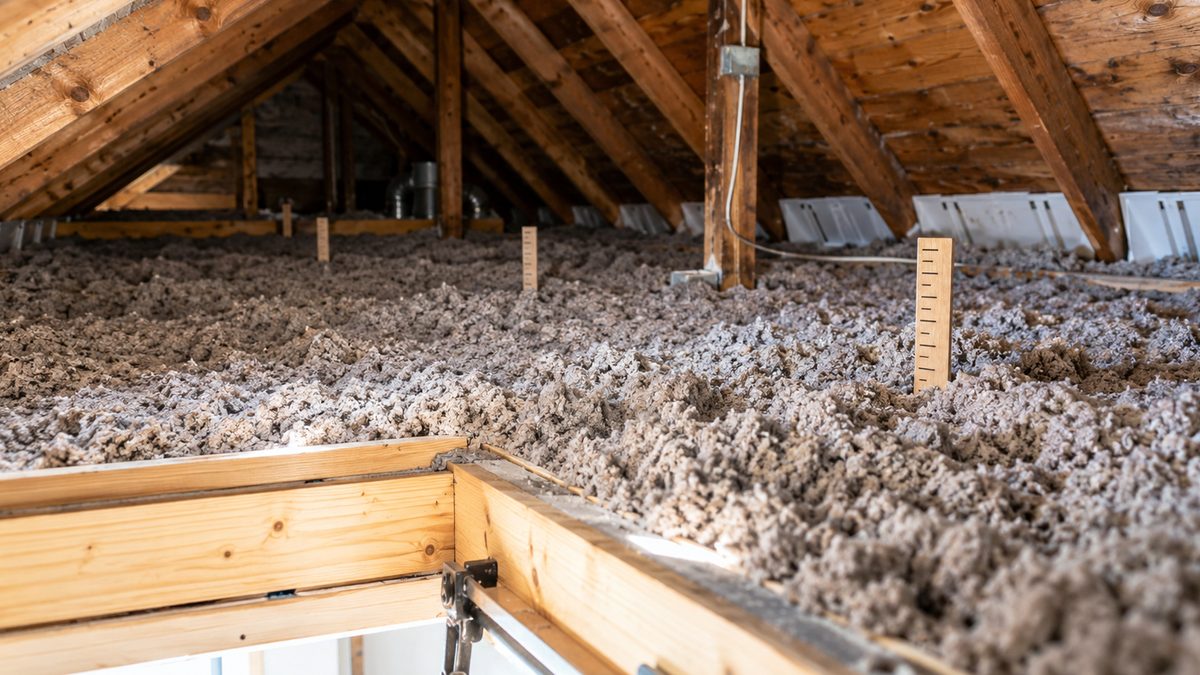
Cellulose is mostly shredded newspaper treated for fire resistance. It’s low-carbon, dense, and great at stopping drafts. It fills every nook, which makes your house feel less like a wind tunnel.
Pros: Lowest embodied carbon, excellent sound control, great for attics and walls
Cons: Needs a pro to install it right; density matters
At Nealon Insulation, we’ve blown cellulose into thousands of homes along the shoreline, it’s one of the most bang-for-your-buck upgrades you can make.
Wood Fiber: Europe’s Darling, America’s Newcomer
Wood fiber is vapor-open, renewable, and ideal for older homes that need to “breathe.” It’s comfortable year-round and keeps carbon footprint low.
Pros: Very low carbon, moisture-friendly, great comfort
Cons: Pricey, not always available locally
If supply catches up in the U.S., this stuff will take off.
Mineral Wool: The Tough, Fire-Resistant Middle Ground
Made from stone or recycled slag, mineral wool handles moisture like a champ and is naturally fire-resistant.
Pros: Durable, mold-resistant, great for sound
Cons: Higher carbon than cellulose but still reasonable
This is our go-to for basements, rim joists, and anywhere durability matters.
Wool: Nature’s Original Insulation
Sheep’s wool regulates moisture, insulates well, and literally scrubs the air. It’s renewable, biodegradable, and shockingly effective.
Pros: Low carbon, breathable, naturally flame resistant
Cons: Harder to source, higher cost
A great option for homeowners pursuing deep green building.
Recycled Denim: The “Feel-Good but Niche” Option
Soft, recycled cotton insulation made from old jeans.
Pros: Low embodied carbon, safe to handle
Cons: Lower R-value per inch, not ideal in damp spaces
Fine for interior sound walls. Not your best bet for a Connecticut attic.
The Materials to Think Twice About
Spray foam and fiberglass both have their place, but not without caveats.
- Spray foam: unbeatable air sealing, higher embodied carbon, tricky to remove
- Fiberglass: inexpensive and familiar, but energy-intensive to manufacture
When homeowners ask us about low-carbon options, foam is rarely our first recommendation unless the assembly absolutely requires it.
Comfort Is More Than R-Value
Most homeowners treat R-value like a competition, “Which one is the highest per inch?”
But in real houses, comfort comes from a smarter equation:
- Air sealing prevents drafts
- Moisture control keeps materials healthy
- Thermal bridging fixes stop heat loss through framing
- Soundproofing makes your home feel calmer
Dense materials like cellulose and mineral wool don’t just insulate—they make a house quiet. That’s a comfort upgrade you feel immediately.
When insulation is installed as a system, sealed, ventilated, and moisture-aware, you get the eco-cozy trifecta: steady temperatures, quiet rooms, clean air.
How to Choose the Right Material (A No-Nonsense Framework)
Here’s how I tell Connecticut homeowners to think about insulation:
1. Start with climate reality
Cold, wet winters. Humid summers. We need materials that handle moisture without trapping it. For most homes: cellulose, mineral wool, or occasionally wood fiber.
2. Think in systems, not products
A perfectly sealed attic with cellulose will outperform messy foam any day of the week.
3. Balance cost and comfort
You don’t have to go full “Passivhaus” to make a difference. Start in the attic and rim joists—the fastest return on your investment.
4. Be honest about DIY limits
Dense-packing walls and spraying foam? Hire pros.
Weatherstripping and caulk? Perfect Saturday project.
5. Buy local when you can
The closer the supplier, the lower the transportation emissions—and the lower the cost.
Weekend Projects That Boost Comfort Fast
These upgrades take a few hours and pay off all winter.
Seal the attic hatch
A leaky hatch is basically an open chimney. Weatherstrip it and add rigid foam on the backside.
Insulate the rim joist
Mineral wool + sealant = warmer floors and fewer drafts.
Add insulation to the attic
If you can see ceiling joists, you need more insulation—simple as that.
Weatherstrip doors and windows
Five dollars in caulk can feel like a hundred dollars in comfort.
None of these are glamorous, but they’re the kind of improvements homeowners feel immediately.
Where to Learn More
If you want to dive deeper into which materials deliver the best mix of comfort, carbon savings, and affordability, Nealon Insulation can walk you through every option. We’ve spent 48 years insulating Connecticut homes—and we’ve seen which materials actually perform versus which ones just sound good on paper.
👉 Want help choosing the right insulation for your home? Reach out to Nealon Insulation.
FAQs: Low-Embodied-Carbon & Insulation
What’s the biggest mistake homeowners make when trying to choose “green” insulation?
The biggest mistake homeowners make when choosing green insulation is prioritizing trendy materials over proper application. Even low-carbon products fail if paired with poor air sealing or installed in the wrong location. Effective insulation must match the home’s structure, not just the marketing claims.
How do I know if low-embodied-carbon insulation will actually lower my utility bills?
Low-embodied-carbon insulation lowers bills only when installed in the right areas, sealed properly, and matched to the climate. Prioritize attics, rim joists, and known leak zones. Combine insulation with air sealing and hit R-values appropriate for Connecticut. Ensure thermal bridges are fixed. Ask for savings estimates to confirm real-world performance.
Can low-embodied-carbon insulation help control moisture in an old Connecticut home?
Low-embodied-carbon insulation like cellulose, wood fiber, and wool helps control moisture in old Connecticut homes by allowing vapor to pass through. These materials absorb humidity when damp and release it when dry, reducing mold, rot, and paint damage while supporting the home’s natural breathability.
Does low-carbon insulation make a difference if I already have an efficient HVAC system?
Low-carbon insulation still makes a significant difference even with an efficient HVAC system. It reduces heating and cooling demand, allowing HVAC equipment to run less often, last longer, and maintain steadier temperatures. Without proper insulation, efficiency gains from HVAC alone are limited.
How long does low-embodied-carbon insulation typically last compared with other types?
Low-embodied-carbon insulation typically lasts as long or longer than conventional types. Dense-pack cellulose can remain effective for decades, mineral wool resists moisture damage, and wood fiber and wool maintain durability over time. When properly installed, these materials outperform fiberglass in longevity and resilience.
Related Articles

Let's Work Together
Ready to transform your home into an energy-efficient haven? Schedule your free energy assessment today and experience the Nealon difference for yourself.