
How to Work Safely When Installing Insulation
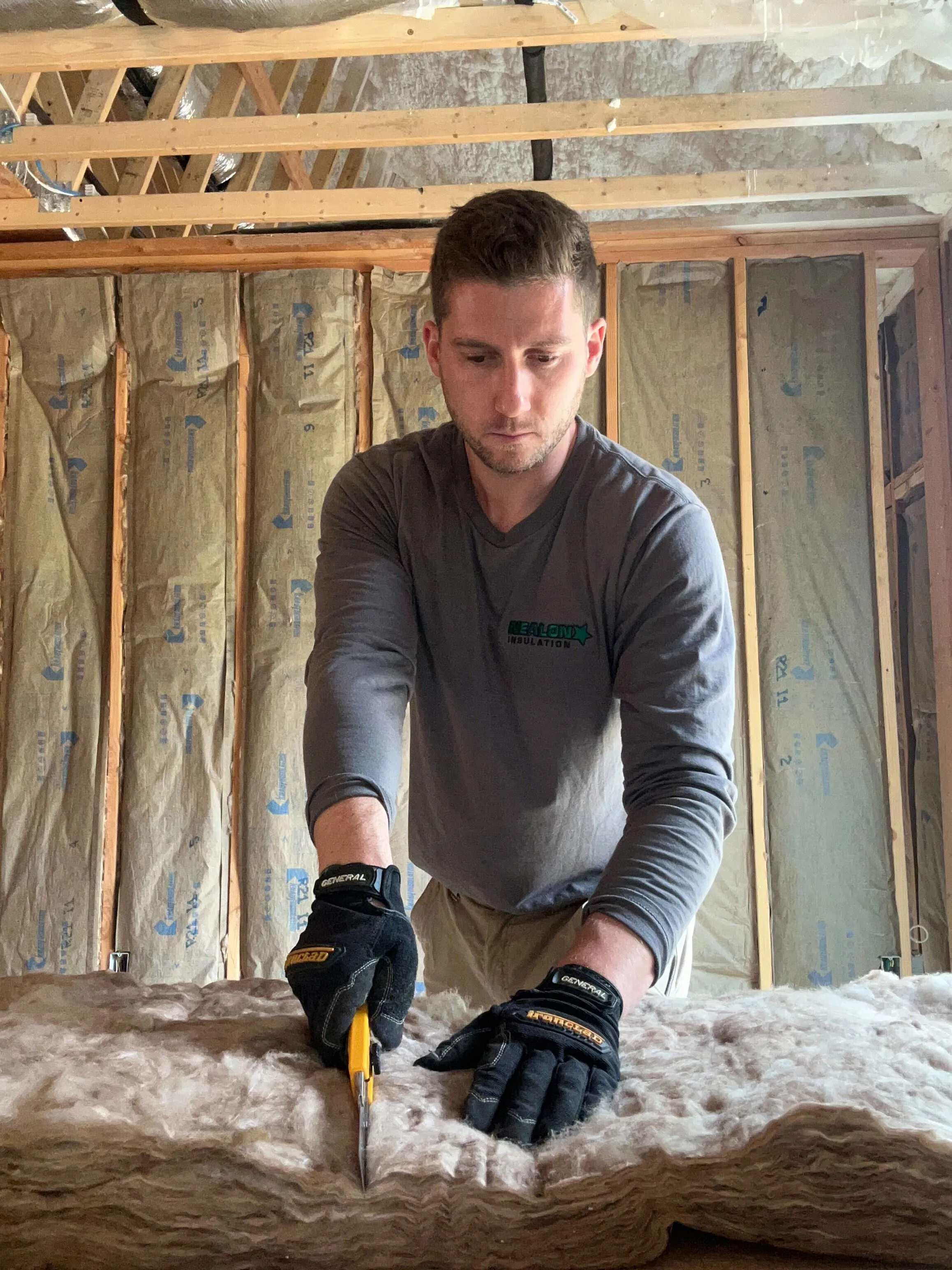
Insulation is one of those home upgrades that looks deceptively simple. A few bags, some protective gear, a free weekend, and you’re on your way to lower energy bills and a more comfortable home. But what often gets overlooked is insulation installation safety—and that’s where homeowners can run into trouble.
Installing insulation means working with airborne fibers, dust, tight spaces, and materials designed to resist heat, fire, and moisture. Done correctly, it’s safe and effective. Done casually, it can lead to skin irritation, breathing issues, or problems that linger long after the job is finished. Even short-term exposure without the right precautions can create unnecessary risks.
This guide explains how to work safely when installing insulation, whether you’re tackling a small DIY project or trying to understand what proper safety practices should look like when a professional is on the job.
Why Insulation Installation Safety Matters
Insulation improves comfort and energy efficiency, but the installation process itself is not risk-free. Insulation installation safety matters because the materials and environments involved can expose homeowners to hazards that are easy to underestimate.
Common risk factors include:
- Airborne fibers and dust in confined spaces
- Skin and eye irritation from direct contact
- Poor ventilation in attics, crawlspaces, and basements
- Physical hazards such as exposed wiring or unstable footing
Most insulation products release particles when handled or installed. In enclosed areas, those particles can linger in the air and be inhaled. Without proper precautions, this exposure can irritate the respiratory system and cause lingering discomfort.
Safety is not about making the project complicated—it’s about reducing avoidable risk. When safety is treated as part of the process instead of an afterthought, insulation upgrades deliver their benefits without creating new problems.
Common Safety Risks When Installing Insulation
Insulation work is often underestimated because it doesn’t involve heavy machinery or open flames. In reality, several risks show up repeatedly when proper precautions are skipped.
The most common safety issues include:
- Airborne particles: Fiberglass fibers, cellulose dust, and spray foam vapors can irritate the lungs, nose, and throat.
- Skin and eye irritation: Direct contact with insulation materials can cause itching, rashes, and eye discomfort.
- Physical hazards: Attics and crawlspaces often contain exposed nails, uneven framing, and electrical wiring.
- Older home risks: Disturbing unknown materials or outdated wiring can create serious safety concerns.
Understanding where problems typically occur makes it easier to prevent them before work begins.
Personal Protective Equipment You Should Always Use
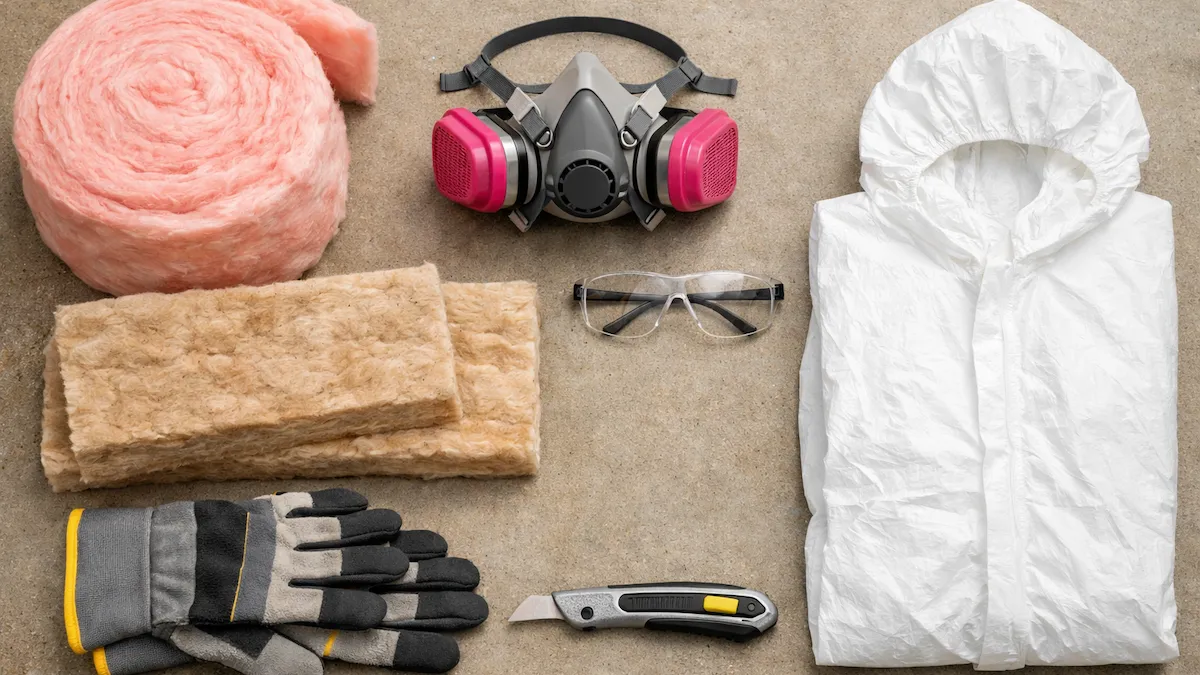
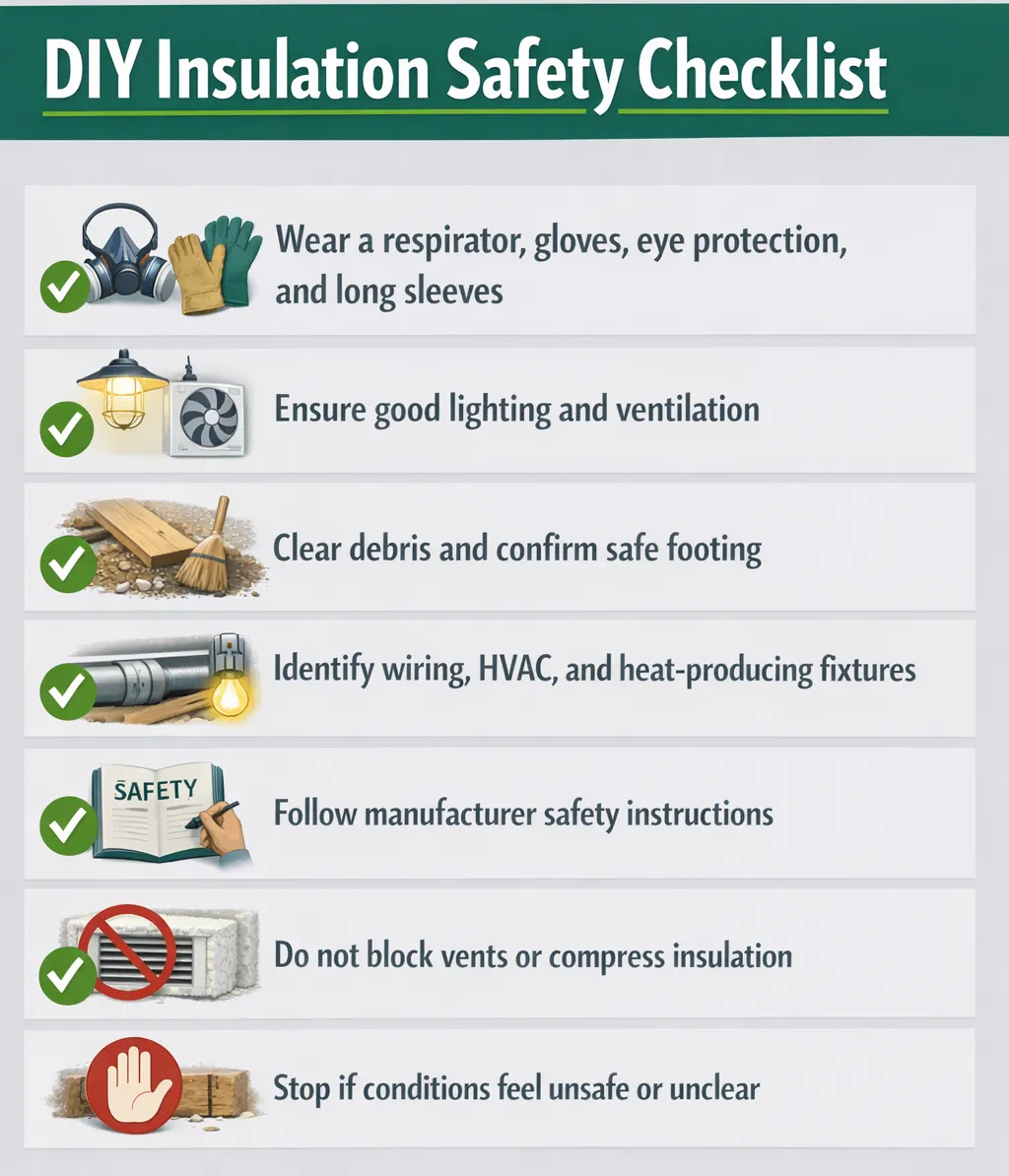
Proper personal protective equipment for insulation is not optional. It is the most effective way to reduce exposure during installation.
At a minimum, insulation PPE should include:
- Respiratory protection: A properly rated respirator or dust mask for fine particles
- Skin protection: Gloves, long sleeves, long pants, or disposable coveralls
- Eye protection: Safety glasses or goggles
Respiratory protection is especially important in enclosed spaces or when working with loose-fill insulation. Basic paper masks offer limited protection and should not be relied on for extended work.
Using the right PPE does not slow the job down. It allows the work to be completed comfortably and safely.
Material-Specific Safety Considerations
Different insulation materials present different risks. Safety precautions should always match the material being installed.
- Fiberglass insulation: Commonly causes skin and respiratory irritation; full PPE is strongly recommended.
- Cellulose insulation: Fine dust can irritate eyes and lungs; respiratory protection and ventilation are important.
- Spray foam insulation: Releases vapors during application and requires strict ventilation and re-entry timelines; typically not a DIY material.
- Mineral wool insulation: Less irritating to skin but still produces dust when cut or handled.
Matching safety practices to the material reduces unnecessary exposure and improves overall job safety.
Ventilation and Workspace Preparation
Ventilation and preparation play a major role in insulation installation safety. Even with PPE, poor airflow allows dust and fibers to build up quickly.
Before starting work:
- Clear the workspace of stored items and debris
- Ensure adequate lighting in attics and crawlspaces
- Identify electrical wiring, junction boxes, and recessed lighting
- Create airflow using fans or open access points where possible
Good ventilation helps reduce airborne particles and makes the work environment safer and more comfortable.
Case Study: Solving Attic Moisture Buildup the Right Way
DIY Insulation Safety vs Hiring a Professional
Some insulation projects are reasonable for homeowners. Others are not.
DIY insulation may be appropriate when:
- The space is open, well-lit, and easy to access
- The insulation type is low-risk
- Proper PPE and ventilation are used
Professional installation is the safer option when:
- Installing spray foam insulation
- Working in tight or hazardous spaces
- Dealing with older homes or unknown materials
- Managing complex ventilation or moisture conditions
Knowing when to hire a professional is not about skill—it’s about recognizing when risk outweighs cost savings.
10 Smart Questions to Ask Before Hiring an Insulation Contractor
Mistakes That Lead to Safety Problems
Most insulation safety issues stem from preventable mistakes, including:
- Skipping PPE because the job “won’t take long”
- Rushing through tight or hazardous spaces
- Ignoring manufacturer instructions
- Pushing forward despite warning signs like excessive dust or odors
When something feels off, stopping and reassessing is always the safer move.
What Safety Standards and Guidelines Say
Industry safety guidance consistently emphasizes:
- Respiratory protection
- Eye and skin coverage
- Adequate ventilation
- Controlled exposure in confined spaces
It’s important to understand that building code compliance does not automatically mean safe installation. Codes focus on performance after installation, while safety standards focus on protecting people during the work itself.
Following established safety guidelines reduces risk and supports healthier outcomes for both installers and occupants.
How Nealon Insulation Works Safely Around Existing Wiring, HVAC, and Older Materials
Working safely in existing homes requires more than protective gear—it requires experience, planning, and respect for the systems already in place. At Nealon Insulation, safety starts before any insulation is installed.
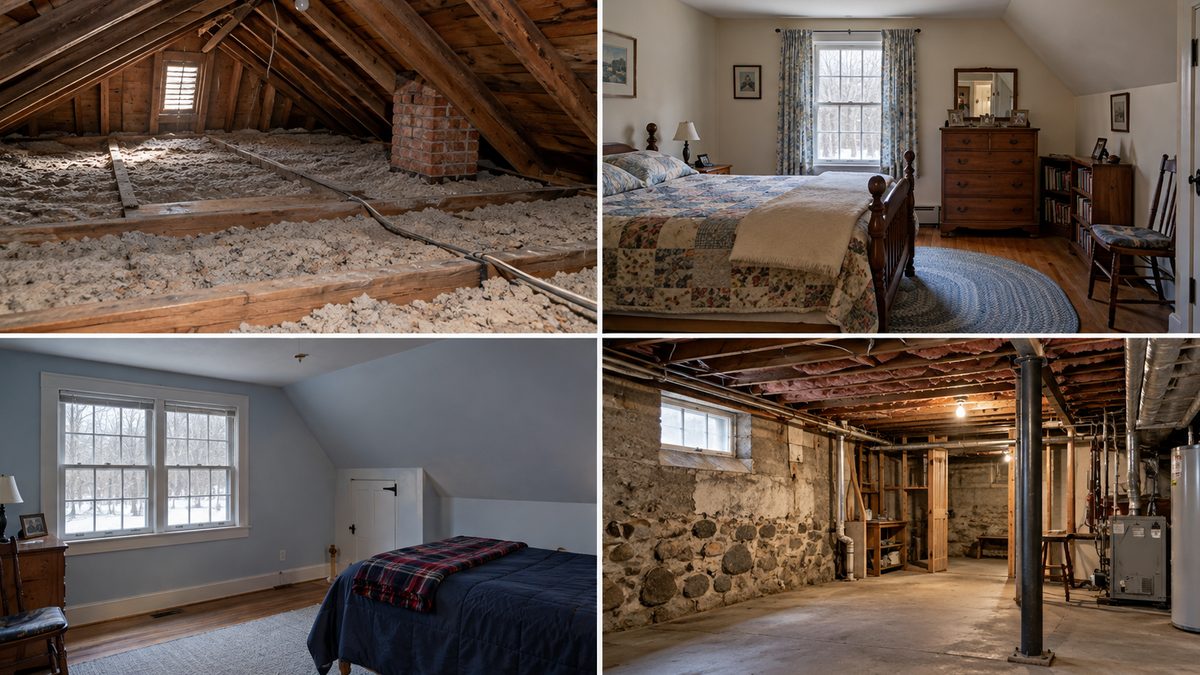
Every project begins with a careful walkthrough of the work area. Our team identifies existing wiring, HVAC components, recessed lighting, ventilation paths, and any materials that require special handling. In older homes, this step is especially important, as construction methods and materials can vary widely.
When working around electrical wiring, we ensure insulation is installed without creating heat buildup, compression, or contact issues that could pose a fire risk. HVAC equipment and ductwork are protected to maintain airflow, system performance, and service access. We never bury components that need clearance or future maintenance.
For older materials or unknown conditions, our crews proceed cautiously. If we encounter materials that raise concerns, work pauses until the situation is evaluated and addressed appropriately. Safety is never rushed or assumed.
Throughout the installation, our team uses proper protective equipment, controls dust and debris, and isolates work areas to protect the rest of the home. These practices allow us to deliver effective insulation upgrades while protecting the home, its systems, and the people living in it.
For homeowners, this means peace of mind. The job gets done correctly, safely, and with long-term performance in mind.
Frequently Asked Safety Questions About Installing Insulation
How do I know if an insulation contractor follows proper safety practices?
You know an insulation contractor follows proper safety practices when they clearly explain safety procedures before work begins. This includes using protective equipment, controlling dust and ventilation, protecting occupied areas, and following manufacturer guidelines and safety standards. Contractors who avoid safety questions or downplay risks signal poor safety practices.
Should my family or pets leave the house during insulation installation?
Your family or pets usually can stay home during fiberglass or cellulose insulation when contractors isolate the work area, control dust, and maintain ventilation. You should leave the home for spray foam insulation and remain out for the full re-entry period, which contractors must explain before installation.
What questions should I ask a contractor about safety before signing a contract?
Ask an insulation contractor about safety by confirming what protective equipment their crew uses, how they control dust and protect living spaces, whether ventilation or re-entry restrictions apply, and how they handle older homes or unknown materials. Clear, confident answers indicate professionalism and a strong safety culture.
Can improper insulation installation create long-term indoor air quality problems?
Improper insulation installation can create long-term indoor air quality problems by causing dust buildup, trapped moisture, and poor ventilation. These issues often develop over time and affect indoor health. Professional installation prevents these risks by ensuring correct placement, maintained ventilation paths, and proper material handling.
Is professional insulation installation safer even if I am comfortable with DIY projects?
Professional insulation installation is safer than DIY, even for experienced homeowners. Insulation work involves material exposure, confined spaces, and ventilation risks that are easy to underestimate. Trained professionals manage these hazards correctly, reduce long-term issues, and deliver safer results, especially in older homes or with high-risk insulation types.
Final Thoughts: Safety First, Comfort Second
Insulation should improve comfort, efficiency, and indoor air quality—not introduce new problems. Working safely means understanding the risks, using proper protection, and knowing when professional installation is the smarter choice.
When safety comes first, insulation delivers its full value without unnecessary risk.
👉 If you’re unsure about insulation safety in your home or want a professional evaluation before starting a project, contact Nealon Insulation.
Related Articles

Let's Work Together
Ready to transform your home into an energy-efficient haven? Schedule your free energy assessment today and experience the Nealon difference for yourself.