
How Insulation Helps Indoor Air Quality
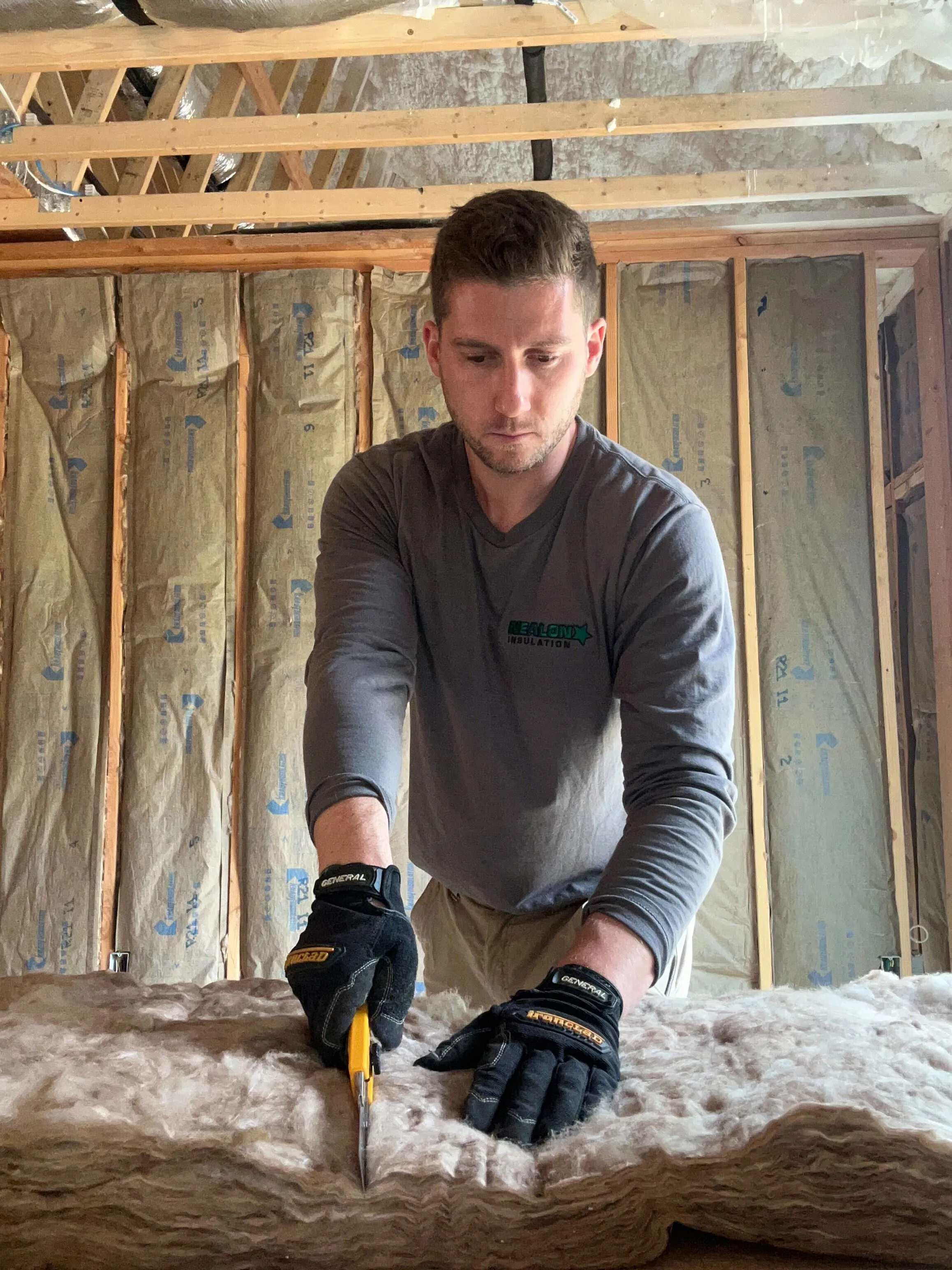
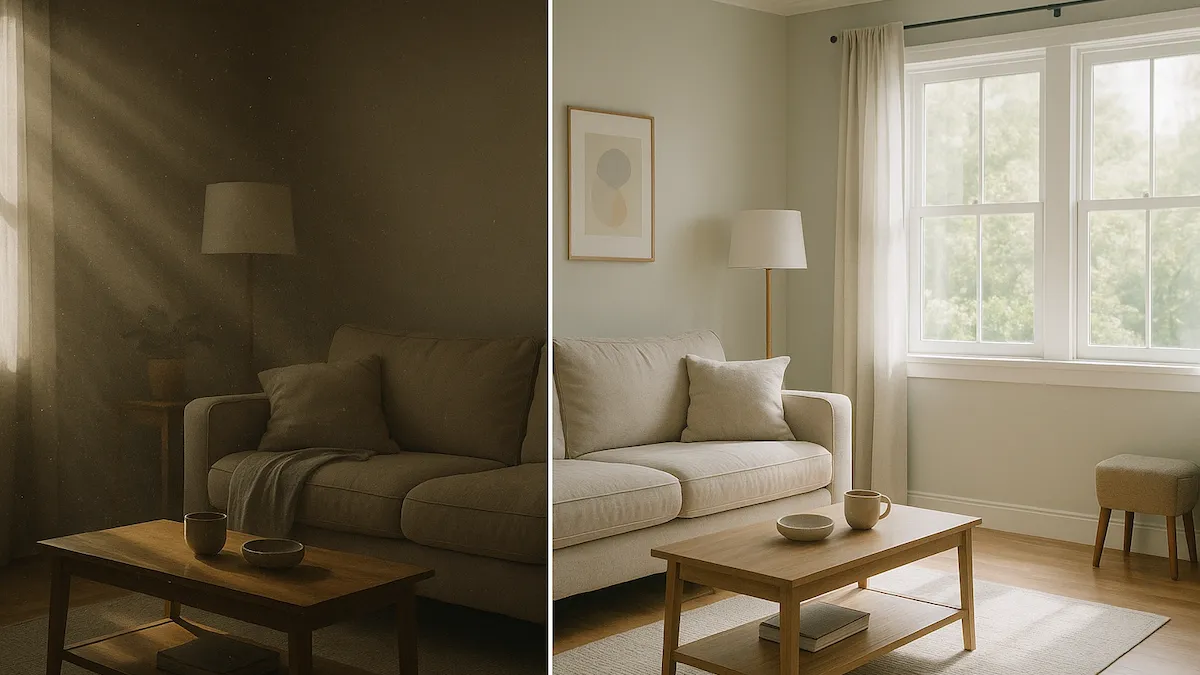
If you’ve ever walked into your house and thought, “Why does the air feel stuffy today?” there’s a good chance the answer is hiding in your attic, walls, or basement, not your HVAC system. Most homeowners assume indoor air quality is all about filters, ducts, and fancy purifiers, but insulation quietly does half the heavy lifting.
Here’s the reality: your home is constantly inhaling and exhaling. Pressure changes from wind, temperature swings, and your HVAC system pull air in from wherever they can. If your insulation isn’t up to the job, your house is inhaling attic dust, moisture, pollen, and outdoor pollutants. That’s the stuff your family breathes.
But when the home is properly insulated and air-sealed, the airflow becomes intentional, filtered, controlled, and cleaner. The difference is like breathing through your nose versus breathing through a dusty shop vacuum.
How Insulation Improves Indoor Air Quality
Let’s break down how insulation quietly keeps your indoor air on the “healthy” side of the scale.
It Reduces Air Leaks That Bring Dust, Allergens, and Pollutants
In most homes, especially older Connecticut builds, the real issue isn’t a lack of insulation. It’s the air leaks running around it. These leaks act like little highways pulling in whatever’s floating around in the attic or outdoors.
Good insulation paired with air sealing turns off the traffic. It slows the uncontrolled airflow and forces your HVAC system to be the main gatekeeper, which means cleaner air and fewer surprises drifting into your living spaces.
It Controls Moisture and Helps Prevent Mold
Warm indoor air loves to rise into your attic. In winter, that warm air hits a cold surface, cools down, and leaves moisture behind. That moisture sinks into insulation, feeds mold, and affects your air quality long before you ever see a stain.
Quality insulation reduces those temperature differences and keeps humidity from moving freely through the house. The more stable your surfaces and humidity, the harder it is for mold to get a foothold.
It Stabilizes Temperature and Helps Your HVAC Work Cleaner
If your insulation is thin, patchy, or uneven, certain rooms get too hot or too cold. Your HVAC notices, and starts overcompensating. The harder it runs, the less efficiently it filters the air.
Insulation brings calm to the system. More consistent temperatures mean fewer big air swings, fewer particulates stirred up, and cleaner, steadier airflow moving through your vents.
It Keeps Outdoor Pollution Out
When insulation does its job, your home becomes less of a sponge for whatever’s happening outside. That includes wildfire smoke, road dust, pollen, salt air, and even exhaust from your neighbor’s snowblower. Over time, the difference in air quality becomes noticeable, especially for anyone with allergies or asthma.
When Insulation Hurts Indoor Air Quality
Most insulation problems come down to age, moisture, pests, or materials that were considered fine 40 years ago but definitely aren’t now.
Old or Damaged Insulation
Once insulation breaks down, it stops staying where it belongs. Wind washing in the attic pulls fibers loose. Air leaks tug particles down into living spaces. If you’ve ever opened a closet door and smelled “old house,” this is part of it.
Moldy or Wet Insulation
Wet insulation is a double strike: it stops insulating and starts harboring mold. Mold doesn’t need much, just moisture, organic material, and a little time. Once it’s in your insulation, spores can circulate through your home through the tiniest gaps.
Nealon Insulation can do mold remediation.
Rodent-Infested Insulation
Mice and squirrels aren’t just a nuisance, they’re a contamination issue. Nesting, droppings, and urine turn insulation into something that absolutely shouldn’t be anywhere near your breathing air.
Asbestos and Vermiculite
Not common, but still around in older Connecticut homes. If you think you have it, you don’t touch it. You test it. There’s no halfway option here.
Best Insulation Types for Healthier Indoor Air
When it comes to air quality, some materials simply help more than others.
Dense-Pack Cellulose
Cellulose shines in drafty, older homes. It’s dense, fills every gap, and does a fantastic job cutting off air pathways that carry dust and allergens. It also helps buffer humidity so your home stays balanced, not clammy.
Spray Foam
Think of spray foam as insulation plus air sealing in one shot. It locks down leaks, blocks moisture-laden air, and creates a tight envelope so your house stops inhaling whatever’s in the attic.
Mineral Wool
Mineral wool is your zero-drama insulation. It doesn’t absorb water, doesn’t support mold, and holds its shape forever. If your main worry is mold or moisture, mineral wool deserves a hard look.
Modern Fiberglass
Forget the itchy pink stuff from 1985. Today’s fiberglass is tighter, cleaner, and engineered to stay put. Paired with air sealing, it delivers solid performance without kicking off dust.
Air Sealing: The Missing Piece Most Homeowners Overlook
Insulation keeps heat where it belongs. Air sealing keeps air where it belongs. The two are separate jobs, but they rely on each other.
Why Air Sealing Matters
Air sealing is important because if your attic hatch leaks, your bathroom fan isn’t sealed, and your rim joists are full of gaps, insulation alone can’t overcome that. Your home will keep pulling in polluted air, no matter how much insulation you blow in.
Common Leak Zones
You’d be shocked how many houses leak around:
- Attic access panels
- Recessed lights
- Electrical wiring holes
- Plumbing stacks
- Chimneys
- Basement rim joists
Seal these up, and your insulation gets a 30–40 percent performance boost instantly.
Together, They Create a Cleaner Home
When you tighten the thermal envelope and seal the leaks, you get a home where the air is filtered, predictable, and clean, not whatever the attic feels like sharing that day.
How to Know If Your Insulation Is Hurting Your Indoor Air Quality
A lot of homeowners blame HVAC filters or seasonal allergies, but insulation problems are easier to spot than you may think.
Look for:
- Musty or earthy odors you can’t trace
- Dust streaks around vents
- Drafts that don’t make sense
- Condensation on walls or ceilings
- Rooms that feel stuffy even with windows closed
- Evidence of rodents in walls or attics
- More dust on surfaces than usual
These aren’t “quirks.” They’re symptoms of insulation and air movement problems.
How Upgrading Insulation Improves Air Quality Long-Term
A well-insulated home doesn’t just feel better—it stays healthier.
Cleaner Air, Fewer Irritants
Blocking uncontrolled airflow keeps out dust, pollen, and debris that used to sneak inside.
A More Efficient HVAC System
With fewer big swings in temperature, your HVAC system finally gets to run like it’s designed to—slow, steady, and clean.
Stable Humidity Levels
Insulation helps lock in humidity balance, which keeps mold growth off the table.
Mold Prevention for Years
If moisture isn’t getting in, mold isn’t growing. It’s that simple.
A Home That Just Breathes Better
When insulation, air sealing, and ventilation work together, homeowners report fewer allergies, better comfort, and less dust everywhere.
FAQ's on Indoor Air Quality
What signs show insulation is affecting indoor air quality?
Signs that insulation is affecting indoor air quality include musty odors near attics or basements, dust streaks around vents, increased allergy symptoms, uneven room temperatures, and visible insulation fibers. These symptoms indicate deteriorated, contaminated, or poorly sealed insulation is circulating pollutants indoors.
Does insulation reduce allergens?
Yes. Insulation reduces allergens by blocking outdoor air that carries dust, pollen, and pet dander into the home. When combined with air sealing, insulation limits infiltration points and improves HVAC filter efficiency, resulting in cleaner indoor air and fewer allergy symptoms.
Can new insulation help with asthma or allergies?
Yes. New insulation helps reduce asthma and allergy triggers by sealing out dust, mold spores, pollen, and other airborne irritants. By tightening the building envelope and limiting drafts, insulation prevents contaminants from entering living spaces, creating a cleaner and healthier indoor environment.
What insulation is best for preventing mold?
Mineral wool and closed-cell spray foam are best for preventing mold. Mineral wool repels water and contains no organic material, making it mold-resistant. Closed-cell spray foam creates an airtight, moisture-resistant barrier. Dense-pack cellulose also helps by regulating humidity and tightly filling gaps to limit moisture buildup.
Can attic insulation make air quality worse?
Yes. Attic insulation can worsen air quality if it’s wet, moldy, degraded, or contaminated by rodents. Damaged insulation releases fibers, spores, and bacteria into living spaces through leaks. Poor air sealing allows polluted attic air to enter the home, making proper insulation and sealing critical for clean air.
Final Takeaway
Insulation isn’t just an energy upgrade, it’s a health upgrade. When your home is well insulated and properly sealed, it stops inhaling whatever’s in the attic and starts delivering cleaner, healthier air to your family. Better air quality starts in the places most people never look.
👉 Ready for a home that feels cleaner, healthier, and more comfortable? Contact Nealon Insulation.
Related Articles

Let's Work Together
Ready to transform your home into an energy-efficient haven? Schedule your free energy assessment today and experience the Nealon difference for yourself.