
Thermal Bridging: What It Is, Why Homes Lose Heat, and How Insulation Fixes It
If your home feels cold in winter despite having insulation, you’re not imagining things. One of the most common—and most misunderstood—reasons is thermal bridging.
Thermal bridging explains:
- Why walls feel cold
- Why heating bills stay stubbornly high
- Why insulation upgrades sometimes underperform
Understanding it helps homeowners make smarter decisions about comfort, energy use, and long-term savings.
What Is Thermal Bridging in a Home?
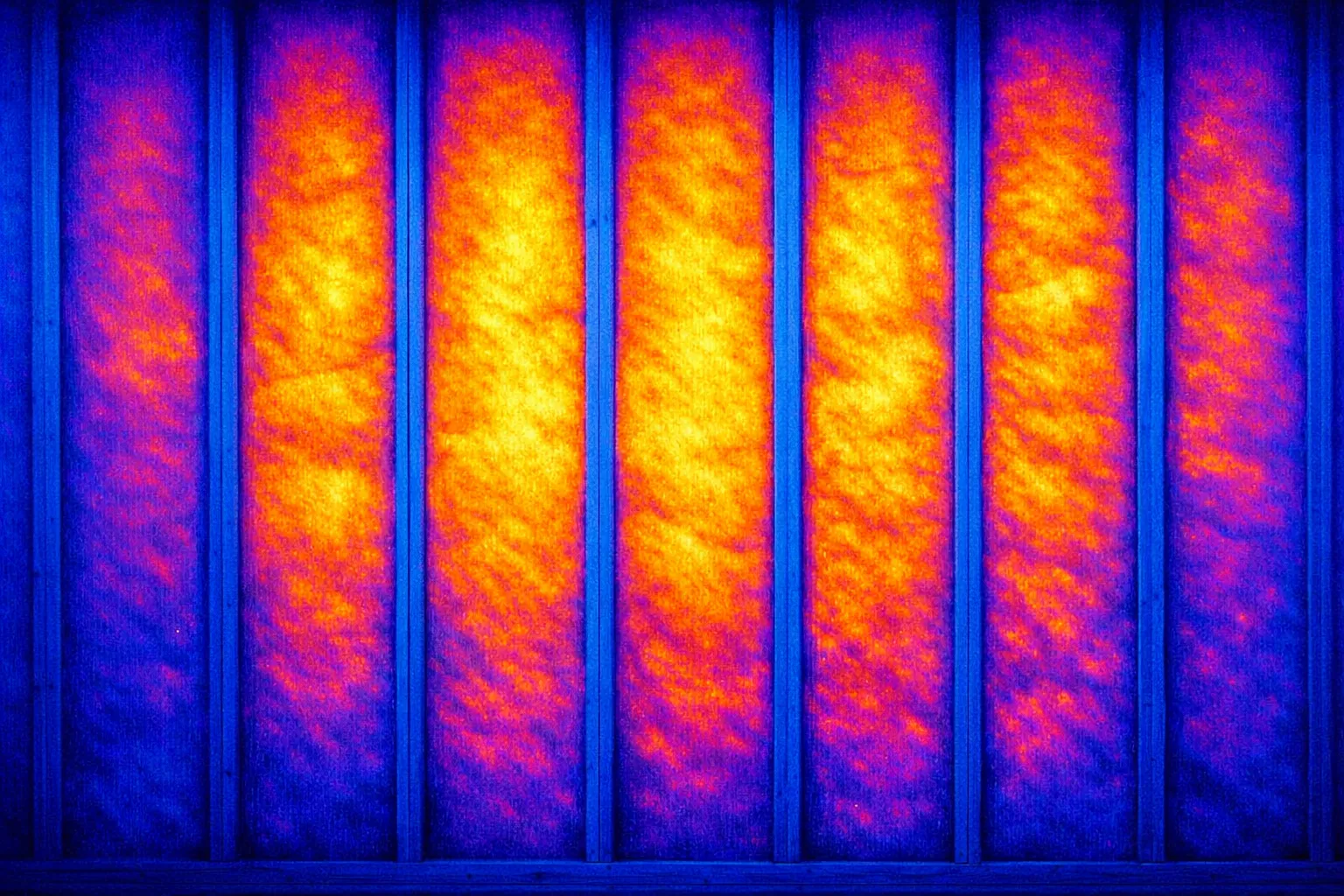
Thermal bridging occurs when heat finds the fastest way out of your house, straight through solid building materials that bypass insulation.
Here’s the issue:
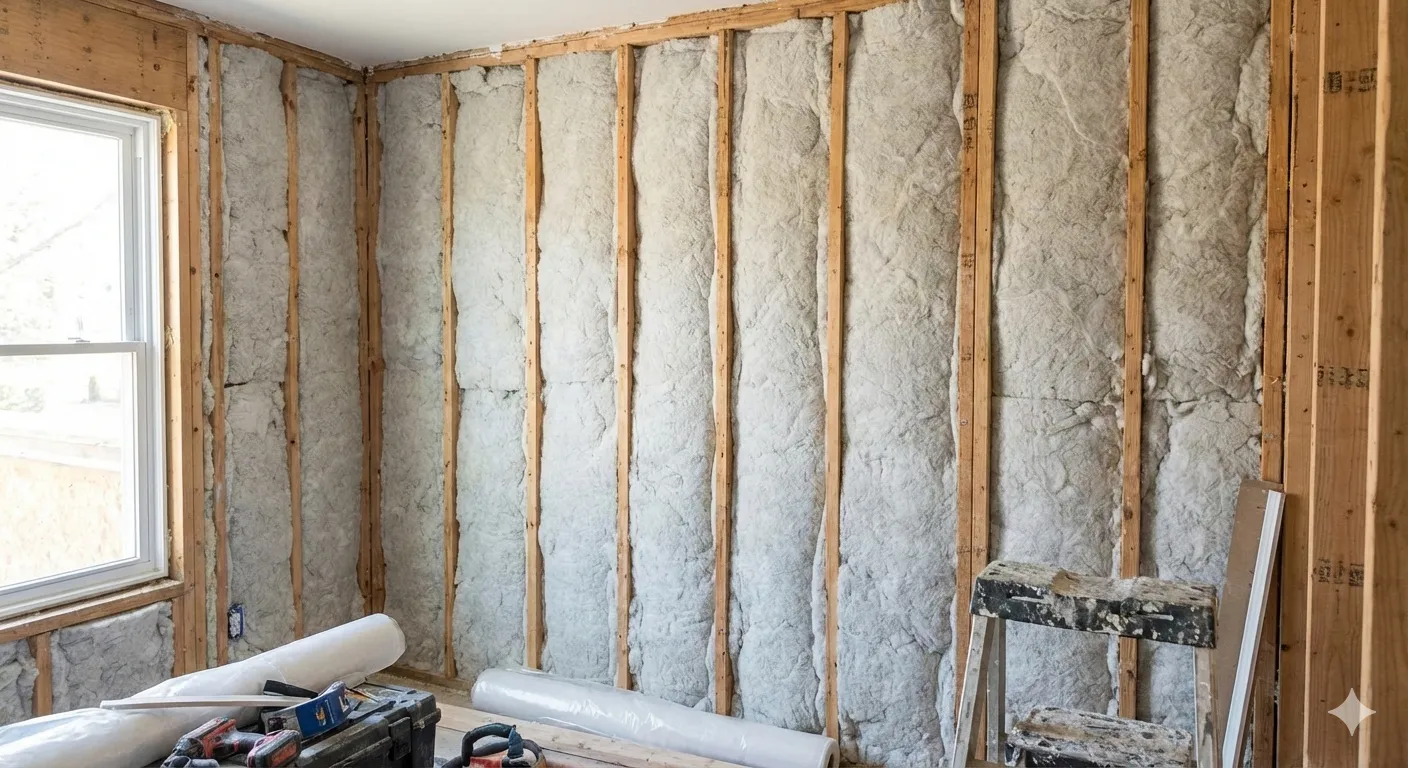
- Insulation sits between framing members
- Framing materials conduct heat far better than insulation
- Heat moves through the framing instead of the insulation
Those framing members—studs, joists, rafters—act like bridges carrying heat from inside to outside.
Why Thermal Bridging Causes Heat Loss and Higher Energy Bills
Heat always moves toward cold. In winter, thermal bridging gives heat an express lane out of your house.
Every framing member becomes a narrow strip of heat loss:
- Studs
- Rim joists
- Roof rafters
- Plates and headers
Multiply that by dozens, or hundreds, and the loss adds up quickly.
The real-world impact
- Walls rarely perform at their labeled R-value
- Heating systems run longer to keep up
- Energy bills rise steadily over time
Thermal bridging also creates uneven surface temperatures:
- Stud locations feel colder
- Cold surfaces pull heat from your body
- Rooms feel drafty without actual drafts
The result: higher thermostat settings, more runtime, and higher costs.
Common Places Thermal Bridging Occurs in Houses
Thermal bridging concentrates where framing is dense or materials meet.
Most common locations include:
- Exterior walls
Studs, plates, and headers interrupt insulation repeatedly. - Attics and ceilings
Ceiling joists and compressed insulation near eaves increase heat loss. - Rim joists and band boards
One of the strongest thermal bridges in most homes. - Basements and foundation transitions
Concrete conducts heat readily, especially where insulation is incomplete. - Windows, doors, and structural penetrations
Framing around openings creates localized cold spots.
If you’ve noticed cold floors, cold walls, or rooms that never feel comfortable, these areas are usually why.
Why Older Homes Are More Vulnerable to Thermal Bridging
Older homes were built before energy efficiency mattered.
Common issues include:
- Heavier framing with more solid wood
- Oversized studs and doubled plates
- Little or no continuous insulation
- Inconsistent or missing insulation altogether
Cold climates make this worse. When the indoor–outdoor temperature difference stays high for months, heat is relentlessly driven through every thermal bridge.
Renovations can unintentionally increase the problem when insulation continuity isn’t addressed.
This is why many older homes still feel uncomfortable even after basic insulation upgrades.
Can Thermal Bridging Cause Cold Spots, Condensation, or Mold?
Yes, and this is where thermal bridging becomes more than an energy issue.
Here’s what happens:
- Framing loses heat faster than insulated areas
- Interior surfaces over framing become colder
- Cold surfaces attract moisture
Over time, this can lead to:
- Condensation on walls
- Peeling paint or staining
- Damp drywall
- Increased mold risk in hidden cavities
Reducing thermal bridging raises surface temperatures and lowers condensation risk.
Why Air Sealing Alone Does Not Solve Thermal Bridging
Air sealing is essential—but it doesn’t stop heat moving through solid materials.
- Air sealing blocks air movement
- Thermal bridging is heat conduction
Even a perfectly airtight home can lose heat through:
- Studs
- Joists
- Plates
- Concrete
This is why air sealing alone may not solve cold walls or high bills. The best results come from combining air sealing and insulation strategies that address heat flow through the structure.
How Insulation Helps Reduce Thermal Bridging
Insulation helps—but not all insulation performs equally.
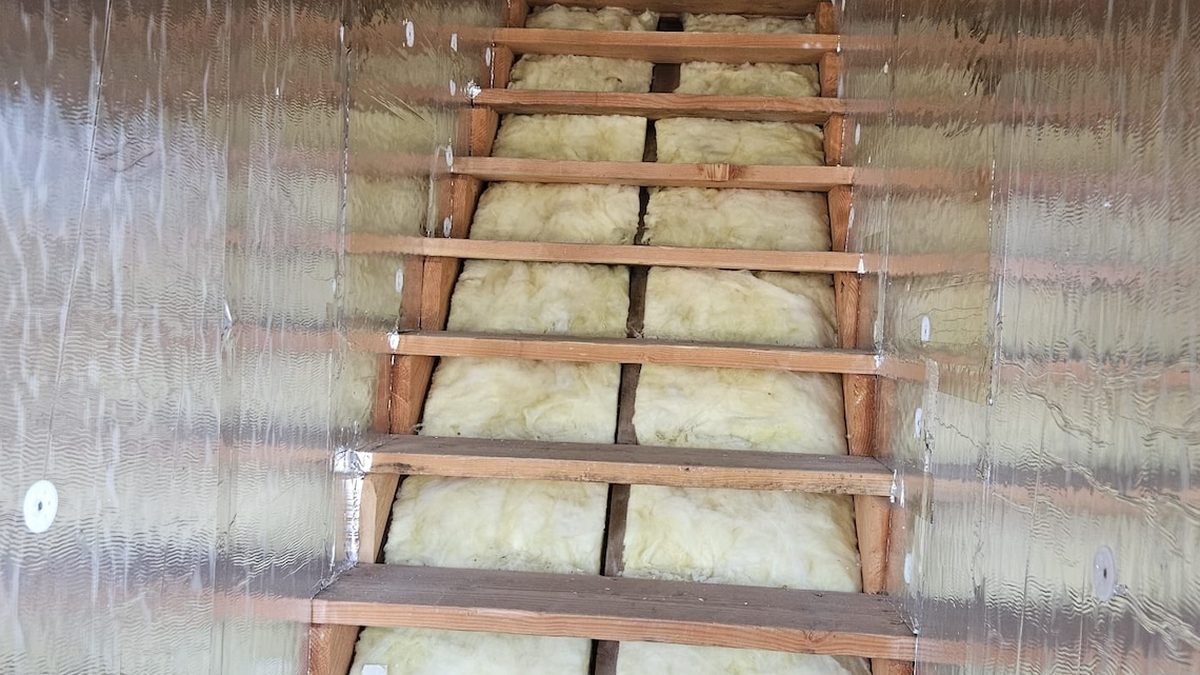
Traditional cavity insulation:
- Slows heat loss through open spaces
- Leaves framing exposed
Key point:
Insulation performance is about coverage, not just R-value.
To significantly reduce thermal bridging, insulation must:
- Interrupt the heat path
- Cover framing members
- Minimize gaps and compression
Continuous Insulation and Thermal Breaks Explained
A thermal break interrupts heat flow through solid materials.
Continuous insulation:
- Runs across framing, not between it
- Covers studs, joists, and plates
- Improves real-world performance dramatically
Benefits include:
- Warmer interior surfaces
- Fewer cold spots
- R-values closer to what’s advertised
While highly effective, continuous insulation isn’t always practical without exterior work, which is why it’s often combined with other strategies.
How Spray Foam Reduces Thermal Bridging in Key Areas
Spray foam excels where framing is exposed or complex.
Closed-cell spray foam:
- High R-value in a thin layer
- Air seals and insulates at the same time
- Adheres directly to framing
Best applications include:
- Rim joists
- Band boards
- Irregular cavities
- Structural transitions
It doesn’t eliminate all thermal bridging, but it dramatically reduces it where it matters most.
Can Cellulose Insulation Help with Thermal Bridging?
Cellulose can reduce the effects of thermal bridging.
What it does well:
- Dense-pack installation fills cavities completely
- Reduces air movement within walls
- Improves temperature consistency
Limitations:
- Does not cover framing
- Does not create a true thermal break
For older homes, cellulose often delivers strong comfort gains without major renovations, especially when paired with air sealing.
How to Reduce Thermal Bridging Without Major Renovations
You don’t need a full rebuild to make progress.
High-impact upgrades include:
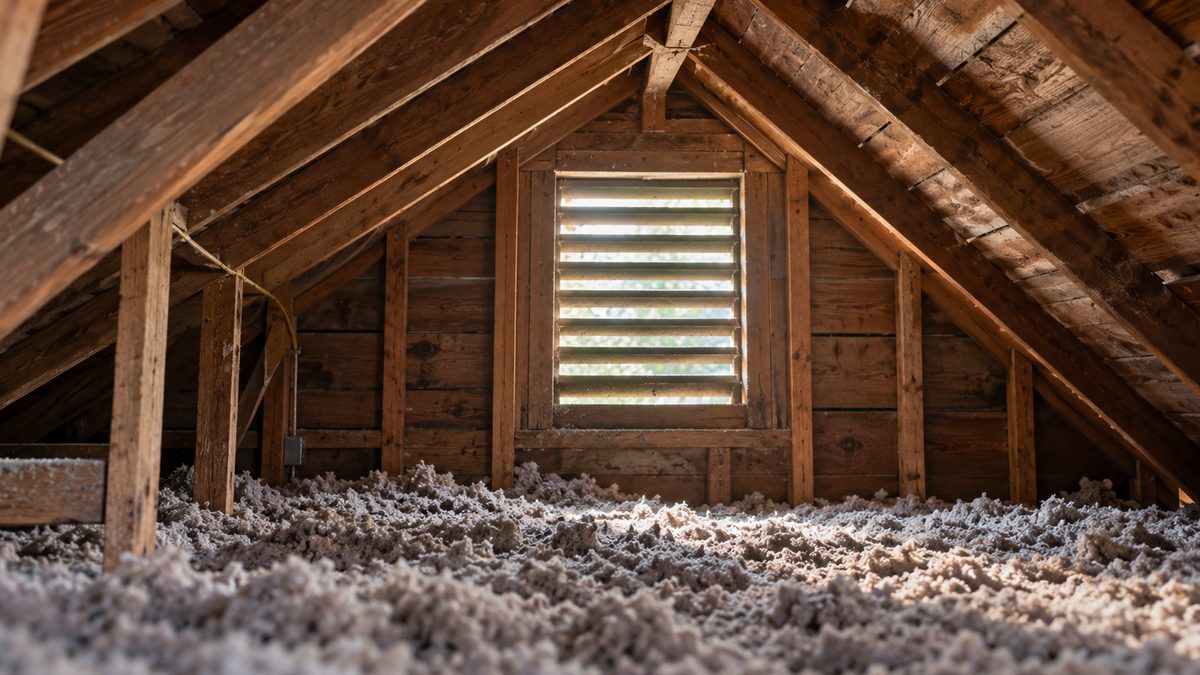
- Improving attic insulation coverage
- Correcting compression near eaves
- Insulating rim joists
- Insulating foundation walls where accessible
The goal is not perfection.
The goal is addressing the biggest thermal bridges first.
Does Adding More Insulation Fix Thermal Bridging?
Sometimes—but not always.
- More insulation slows heat loss through cavities
- Framing remains unchanged
- Thermal bridging can become more noticeable as cavities improve
Without interrupting the heat path, insulation thickness alone has limits.
Key Takeaway for Homeowners
Thermal bridging is one of the main reasons homes lose heat—even when insulation and air sealing are in place.
The big idea:
- Insulation performance isn’t just R-value
- Continuity matters
Reducing major thermal bridges—especially in attics and rim joists—can dramatically improve comfort, efficiency, and moisture control.
Frequently Asked Questions About Thermal Bridging
Can thermal bridging affect how comfortable a room feels even if the thermostat reads the right temperature?
Yes. Thermal bridging affects comfort even when the thermostat shows the correct temperature. Cold surfaces caused by thermal bridges lower mean radiant temperature, increasing heat loss from your body through radiation. This makes rooms feel colder despite stable air temperature. Reducing thermal bridging raises surface temperatures and improves comfort without increasing thermostat settings.
Does thermal bridging matter more in winter or summer?
Thermal bridging matters more in winter, but it affects homes year-round. In winter, thermal bridges accelerate heat loss, lower surface temperatures, and increase discomfort and condensation risk. In summer, they allow heat to enter the home, raising cooling loads. The impact feels stronger in winter due to larger indoor–outdoor temperature differences.
Can thermal bridging reduce the effectiveness of high-efficiency heating systems?
Yes. Thermal bridging reduces the effectiveness of high-efficiency heating systems. Thermal bridges allow heat to escape through framing, forcing furnaces, boilers, and heat pumps to cycle more often. This increases energy use, reduces realized efficiency, and causes uneven comfort. Addressing thermal bridging allows high-efficiency systems to operate as designed and deliver expected savings.
Is thermal bridging something that shows up during a home inspection or energy audit?
Thermal bridging usually shows up during a professional energy audit but not always during a standard home inspection. Energy audits use infrared thermal imaging, surface temperature readings, and heat-loss patterns that align with framing. Home inspections focus on visible defects, so thermal bridging may go unreported unless it causes condensation or damage.
Can thermal bridging impact resale value or buyer perception of a home?
Yes. Thermal bridging can negatively impact buyer perception and resale value. Thermal bridges cause cold rooms, uneven temperatures, higher energy bills, and moisture issues like condensation or staining. Buyers notice these comfort and efficiency problems during showings and inspections. Reducing thermal bridging improves comfort, signals better maintenance, and supports stronger long-term home value.
Ready to Fix Thermal Bridging in Your Home?
If your home feels drafty, uneven, or harder to heat than it should be, thermal bridging is often part of the problem.
At Nealon Insulation, we look at homes as systems—not checklists. We identify where thermal bridging is costing you comfort and energy, then recommend practical solutions that actually move the needle.
👉 Want to know where your home is losing heat and what can be done about it? Schedule a consultation.
Related Articles
Let's Work Together
Ready to transform your home into an energy-efficient haven? Schedule your free energy assessment today and experience the Nealon difference for yourself.