
How Long Does It Take to Install Insulation?
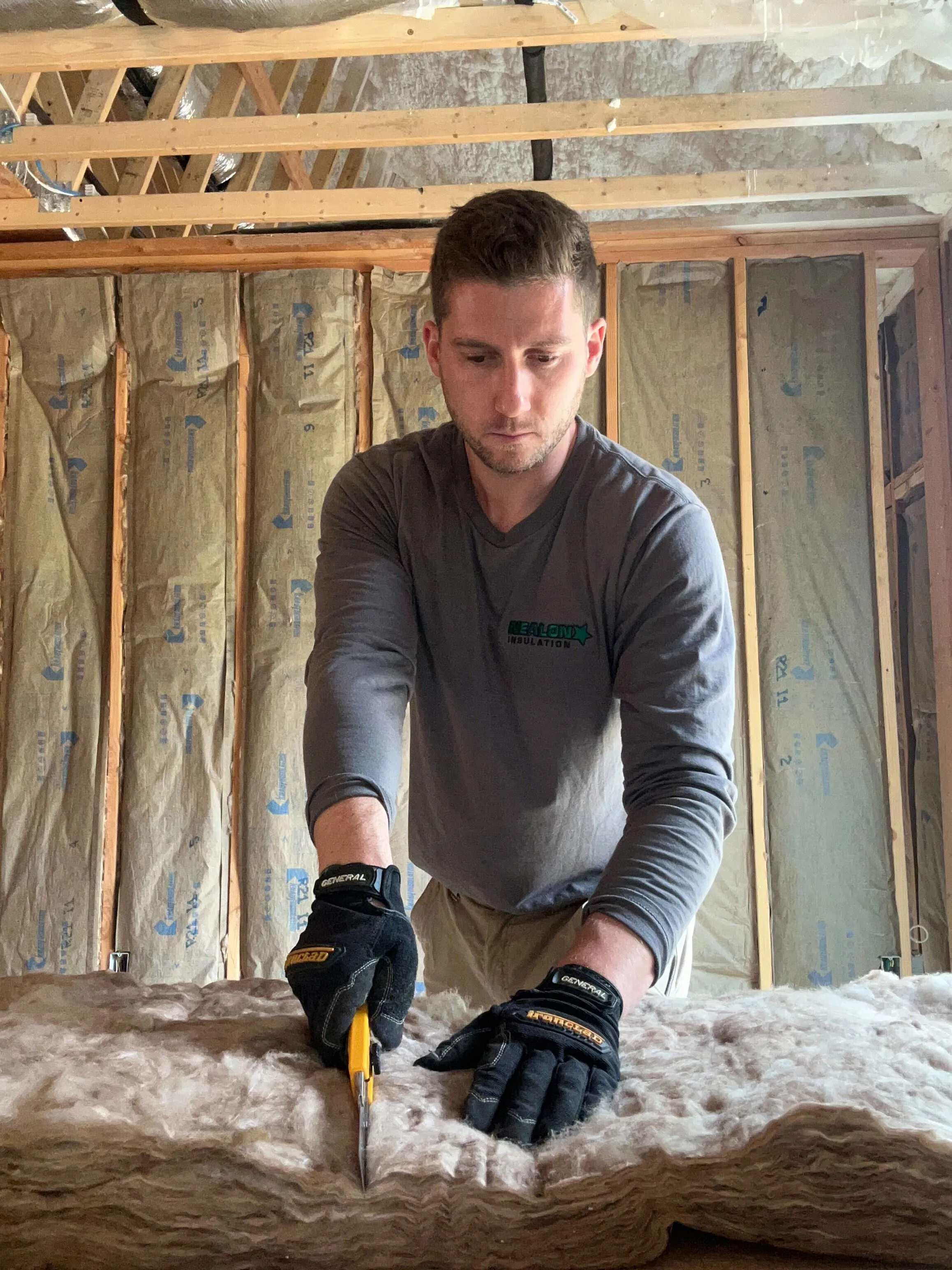
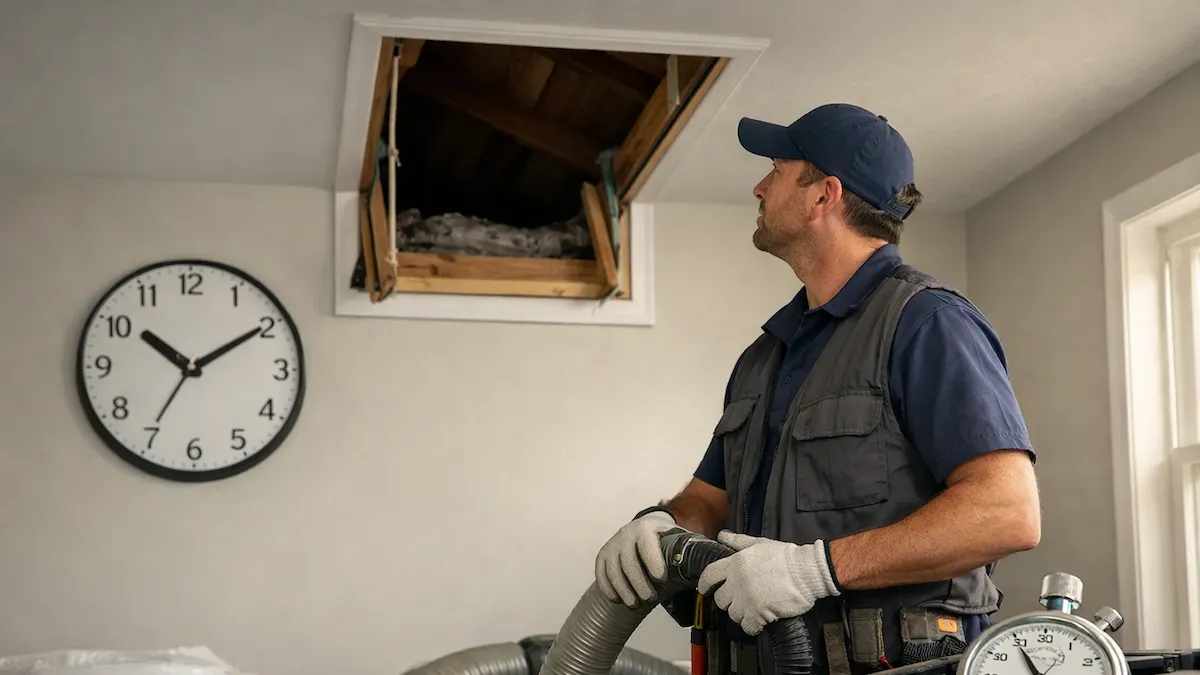
If you’re looking for a straight answer, here it is: most insulation projects are completed in one day or less.
For common upgrades like attic insulation or blown-in insulation, installers are typically on site for three to six hours. Even more involved projects—such as insulating multiple areas of the home—are often wrapped up within one to two days, not weeks.
The reason insulation installs move quickly is simple. Unlike remodels or mechanical upgrades, insulation work doesn’t require demolition, extended inspections, or downtime between phases. Once access is established and materials are staged, installation is a focused, linear process.
That said, not every home is identical. The exact insulation installation time depends on a handful of practical factors: the type of insulation being installed, the size of the space, how accessible the attic or crawl space is, and whether prep work like air sealing or old insulation removal is needed.
Below, we’ll break down how long insulation takes to install by insulation type and area of the home, what affects timelines, and what homeowners should realistically expect.
The Typical Insulation Installation Timeline (At a Glance)
Most homeowners are surprised by how quickly insulation work actually happens. Once a professional crew arrives and gets set up, the job moves efficiently with very little downtime.
Here’s what a real-world insulation timeline looks like for most homes:
- Attic insulation (blown-in or fiberglass): 3–6 hours
- Blown-in wall insulation: 4–8 hours
- Spray foam insulation: 1 day, occasionally 2 days for larger scopes
- Crawl space insulation: 4–6 hours in accessible spaces
- Whole-house insulation projects: 1–2 days
These timeframes assume a typical residential home with reasonable access and no surprises.
Insulation work is highly task-focused. Crews aren’t waiting on other trades or inspections. Once prep is complete, installation happens continuously until the scope is finished.
What Actually Determines How Long Insulation Takes to Install
Insulation timelines are driven by job-site realities, not guesswork. Two homes with the same square footage can have very different installation times once you look behind the scenes.
Key factors include:
- Type of insulation
Blown-in insulation installs faster than batts. Spray foam takes longer due to setup, layering, and ventilation requirements. - Size of the area being insulated
Larger attics or multi-area projects naturally take longer than single-zone upgrades. - Access conditions
Tight attic hatches, low-clearance crawl spaces, or finished ceilings slow work down safely and methodically. - Prep work required
Air sealing, ventilation corrections, or insulation removal add time but significantly improve performance. - Condition of existing insulation
Damaged, uneven, or moisture-affected insulation often requires cleanup or adjustments first. - Occupied home considerations
Protecting floors, controlling dust, and working around daily routines adds some time but prevents disruption.
None of these factors are red flags. A good estimate explains why a job takes a certain amount of time, not just how long it will take.
Ever wonder why you should remove old insulation?
How Long Does Attic Insulation Take?
For most homes, attic insulation is a same-day project and one of the fastest comfort upgrades available.
In a typical home, attic insulation takes about three to six hours from setup to cleanup. That includes staging equipment, installing insulation, and a final walkthrough.
What affects attic insulation timing:
- Insulation type
Blown-in insulation installs quickly and evenly. Batt insulation takes longer due to cutting and fitting. - Attic size and layout
Multiple rooflines, knee walls, or mechanical equipment require more careful work. - Attic height and access
Low-clearance attics slow movement and limit safe working speed. - Air sealing
Sealing top plates and penetrations adds time, but it’s what makes the insulation actually work.
Most homeowners remain in the house during attic insulation. You’ll hear equipment running, but there’s no need to leave.
How Long Does Blown-In Insulation Take?
Blown-in insulation delivers strong performance with minimal disruption and a fast installation timeline.
For wall insulation, installers are typically on site for four to eight hours. This includes drilling access holes, blowing insulation into each cavity, sealing openings, and cleaning up.
Factors that affect blown-in insulation timing:
- Number of walls being insulated
- Older or irregular framing
- Partial or settled insulation inside walls
- Finished interiors or specialty siding
One major advantage of blown-in insulation is that you can stay in the home during installation. There’s some noise and room-to-room activity, but no extended downtime.
How Long Does Spray Foam Insulation Take?
Spray foam insulation takes longer than blown-in or fiberglass insulation, but it is still a short, tightly scheduled project.
Most residential spray foam jobs are completed in one day. Larger or multi-area projects may extend into two days.
Timeline factors include:
- Open-cell vs closed-cell foam
Closed-cell foam requires thinner layers and more passes. - Depth and coverage requirements
Higher R-values increase application time. - Setup and ventilation
Masking, equipment setup, and ventilation are essential steps. - Cure and re-entry considerations
Installation happens in a day, though re-entry timing may vary by application.
Spray foam timelines prioritize precision and performance over speed.
How Long Does Insulating a Whole House Take?
Whole-house insulation is usually a one- to two-day process, not a long renovation.
Work is staged by area to keep the project efficient:
- Attic insulation and air sealing
- Wall insulation using blown-in methods
- Crawl space or rim joist insulation if included
Homes with good access may be completed in one long day. Larger or older homes may require two days for proper sequencing.
The goal isn’t speed—it’s coordination.
Can Insulation Be Installed in One Day?
Yes. Many insulation projects are completed in a single day, and some take only a few hours.
One-day installs are common when:
- The scope is limited to one area
- Access is straightforward
- Prep work is minimal
- Materials are staged correctly
When projects take longer, it’s usually because additional air sealing or complexity is involved—not because of inefficiency.
Will I Notice Results Right Away After Installation?
Yes. Comfort improvements are immediate.
Most homeowners notice:
- Fewer drafts
- More even temperatures
- Reduced hot and cold spots
- Quieter interior spaces
Energy savings show up on the next full utility bill, especially during peak heating or cooling seasons.
Insulation starts working the moment the crew leaves.
What to Expect on Insulation Installation Day
Installation day is typically low disruption and very predictable.
A standard day includes:
- Arrival, scope review, and home protection
- Prep work and access setup
- Active installation
- Cleanup and walkthrough
Most homeowners stay in the home during installation. Aside from some noise, daily routines are rarely interrupted.
FAQs About Insulation Installation Time
How far in advance do I need to schedule insulation installation?
Schedule insulation installation 4–6 weeks in advance for most projects. Lead times increase during peak seasons such as late fall and mid-summer due to higher demand. Once a contractor completes an evaluation and defines the scope, insulation work is easy to schedule because it does not require inspections or coordination with other trades.
Will insulation installation interfere with other home projects I have planned?
Insulation installation rarely interferes with other home projects when scheduled correctly. Install insulation after major framing or structural work, before drywall repairs or painting, and before HVAC upgrades if efficiency is a goal. Because insulation installs are short and contained, contractors can easily coordinate them around renovations to avoid delays or rework.
Does faster installation mean lower quality work?
Faster insulation installation does not mean lower quality work. Quality remains high when the scope is defined, access is clear, and the crew is experienced. Problems occur only when installers rush by skipping air sealing, ignoring ventilation details, or failing to verify insulation depth and coverage.
How do I know the installer won’t leave the job half-finished if it runs long?
Professional insulation installers complete jobs within the agreed timeline, even if work must continue the next day. Reputable contractors provide a written scope, defined performance targets, a clear installation timeframe, and a final verification step. If unexpected conditions arise, they explain the issue and adjust the plan rather than leaving work incomplete.
Is it better to break insulation work into phases or do it all at once?
It is better to complete insulation work in one coordinated project. A single install reduces labor redundancy, ensures insulation and air sealing work together, delivers faster comfort and energy savings, and prevents rework. Phased insulation projects make sense only when budget limits apply, with priority given to the highest-impact areas first.
Final Thoughts: Timing Should Never Be a Guess
Insulation installation should never feel uncertain. In most homes, the work is measured in hours, not weeks, and a professional contractor should be able to explain the timeline clearly before work begins.
Clear planning leads to fast, predictable installs—and better results.
Ready to Find Out How Long Insulation Will Take in Your Home?
Every home is different, but your timeline shouldn’t be a mystery. A proper evaluation can tell you exactly what’s needed and how long it will take.
👉 If you want a clear timeline and straightforward answers, schedule a consultation with Nealon Insulation.
Related Articles


Let's Work Together
Ready to transform your home into an energy-efficient haven? Schedule your free energy assessment today and experience the Nealon difference for yourself.