
100 Years of Winters in Connecticut: How Insulation Needs Have Changed
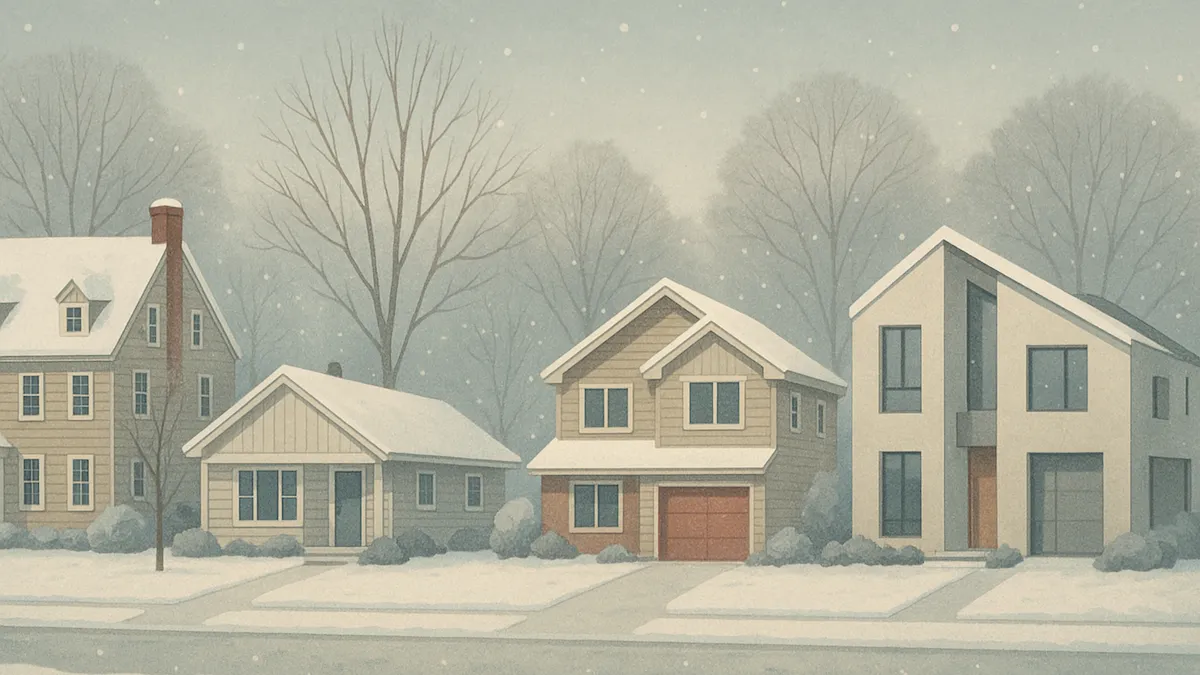
Connecticut has never been gentle in the winter. A hundred years ago, homeowners didn’t talk about R-values or air sealing, they talked about surviving drafts that whistled through floorboards and piling enough wood into the stove to keep the house from freezing overnight. The shoreline got the damp cold. Inland towns took the deep freezes. Everyone battled temperature swings, ice storms, and nor’easters.
But here’s the part most homeowners don’t realize: the way we build and insulate homes in Connecticut has changed more in the past century than almost any other part of construction. Not because it was fashionable, but because it had to. As winters stayed cold, energy costs climbed, and building science matured, insulation went from optional padding to a core part of how a Connecticut home performs.
This post walks through the real Connecticut insulation history, what materials were used, how codes evolved, and why so many older homes still leak heat like it’s 1925. It’s the story of a century of winters shaping the homes we live in today.
Quick Reference Guide
What Connecticut Winters Looked Like 100 Years Ago
If you stepped into a Connecticut home in the 1920s, you’d feel two things immediately: charm and cold air, lots of it. The average house had zero insulation in the walls, barely a dusting in the attic, and enough gaps in the envelope to let a nor’easter RSVP directly into the living room. Heat didn’t stay inside because there was nothing built to keep it there.
Builders leaned on mass, not materials. Thick plaster walls, heavy framing, big chimneys, and sheer optimism were the thermal strategy of the time. Along the shoreline, eelgrass was sometimes packed into cavities because it was abundant and performed better than expected. Inland homes relied on sawdust, straw, or wood shavings if they used anything at all.
The result? Homes burned through coal or wood just to stay habitable. Bedrooms were frigid. Drafts weren’t small annoyances, they were architectural features. And as winters dragged on, the limits of these old methods became painfully clear.
When Was Insulation Invented?
Insulation dates back to ancient times, with Egyptians using mud bricks and Greeks using asbestos over 2,000 years ago. Modern thermal insulation began in the 1930s when fiberglass was invented by Owens Corning. This marked the start of commercial insulation as used in buildings today.
1920s–1940s: The Pre-Code Era and the Age of Natural Insulation
From the 1920s through the 1940s, Connecticut homes were essentially heat sieves with good intentions. There were no state codes, no R-value requirements, and no consistent standards. Builders used what was available: eelgrass along the shoreline; straw, wool, sawdust, or crushed newspaper inland. A handful of homes tested early mineral wool boards or vermiculite in attics, but adoption was inconsistent.
The bigger issue was predictability, one home might have pockets of natural fill, another might have a few mineral wool boards, and the next might have nothing at all. Heat loss was simply part of the deal. Comfort was relative.
This era marks the starting line of Connecticut insulation history: resourceful materials, limited performance, and growing pressure for something better as winters stayed reliably cold.
Check out this Nealon Insulation review where we helped a homeowner with horsehair plaster walls.
1950s–1960s: Fiberglass Arrives and Connecticut Begins to Modernize
By the 1950s, Connecticut homes finally started seeing something close to modern insulation. The post-war boom brought new materials, new construction methods, and a push for more comfortable housing. Fiberglass batts were the breakthrough, Owens Corning’s pink batts became the national standard.
Most Connecticut homes built in this era had some insulation: thin fiberglass batts rated between R-7 and R-11. Better than nothing, but nowhere near what’s needed for New England winters. Attics were often underinsulated, and builders frequently left gaps around framing, wiring, and chases.
Loose-fill cellulose made a comeback as a retrofit option, though early formulations weren’t as refined as what we use today. Mineral wool appeared in some higher-end or fire-conscious shoreline builds.
Connecticut homes were improving, but heat loss was still enormous. The materials had changed, but the installation practices and building expectations hadn’t fully caught up yet. The real turning point was on the horizon.
1970s: The Energy Crisis and Connecticut’s First State Building Code
The 1970s were transformative. Two forces collided: rising energy costs and Connecticut’s first statewide building code in 1971.
Suddenly, insulation wasn’t optional.
After the 1973 energy crisis, homeowners were forced to confront the cost of wasted heat. Attic R-values climbed quickly—R-19 early in the decade, moving toward R-30 by the late ’70s. Wall insulation rose to R-11 and R-13 in most new homes. Weatherization programs spread across the Northeast, promoting air sealing and attic retrofits.
For the first time, the state expected homes to retain heat instead of leaking it straight into the winter air. This decade marks the beginning of modern insulation expectations in Connecticut: insulation became standard, and energy efficiency entered the mainstream.
1980s–1990s: Better Materials, Tighter Standards, and Connecticut Catches Up
By the 1980s and ’90s, insulation started to look like something designed rather than improvised. Fiberglass batts improved with higher-density options. Mineral wool saw a resurgence due to its fire and moisture resistance. Dense-pack cellulose emerged as a retrofit powerhouse, solving draft issues older homes struggled with for decades.
Connecticut aligned with evolving model codes like BOCA and the MEC. Attic requirements nudged from R-30 to R-38, and wall insulation typically targeted R-13 to R-19 depending on the assembly.
Weatherization programs took off, blower-door testing became more common, and homeowners began to understand that insulation and air sealing needed to work together. This era laid the groundwork for the high-performance standards we expect today.
2000s: Spray Foam Goes Mainstream and Building Science Accelerates
The 2000s shifted insulation from “important” to “strategic.” Spray foam became widely used, especially in custom builds and deep retrofits. Its ability to insulate and air-seal at the same time made it a game-changer in Connecticut’s climate. Rooms felt warmer, drafts shrank, and heating bills dropped.
Fiberglass also evolved, with blown-in systems and improved batts offering better performance. Cellulose manufacturers refined density and fire treatments. Building science moved from niche to necessary.
By the late 2000s, R-38 attics were standard for new builds, and air control began making its way into code language. Homes were no longer insulated just for R-value—they were insulated for performance.
2010s: Codes Tighten and Air Sealing Takes Center Stage
The 2010s produced the biggest leap forward since the energy crisis. Connecticut adopted newer IECC standards requiring:
- R-49 in attics
- R-20 in walls (or R-13 + 5 continuous exterior insulation)
- Mandatory blower-door testing
- Tighter air leakage limits
The focus shifted from “add insulation” to “build a continuous, airtight envelope.” Materials like dense-pack cellulose, mineral wool, and spray foam played bigger roles as homeowners expected consistent temperatures, lower bills, and fewer drafts.
For many Connecticut residents, this was the first time a house actually felt evenly warm from room to room throughout the winter.
2020s: High-Performance Homes and the New Standard for Connecticut Winters
The 2020s raised the bar again. The 2022 Connecticut State Building Code, based on the 2021 IECC, established modern expectations for a cold-climate home:
- R-49 attics
- R-20 walls or R-13 + 5 exterior insulation
- 3 ACH50 maximum air leakage
These requirements demand thoughtful insulation design, not just material selection. Homeowners now choose from high-performance options—dense-pack cellulose, mineral wool, spray foam, continuous exterior foam—and use them strategically based on the home’s age and structure.
Heat pumps, now popular across the state, further underscore the need for tight, well-insulated building envelopes. Modern insulation doesn’t just keep you warm; it lets your heating system operate at peak efficiency.
How 100 Years of Winters Changed What “Good Insulation” Means
A century ago, “insulation” meant stuffing something into a wall cavity. Today, it means building a controlled environment inside your home, one that stays warm, stable, and efficient no matter what January throws at it.
Older Connecticut homes still struggle with:
- R-7 to R-11 wall insulation
- Attics at R-19 or R-30
- Open air leaks around framing and chases
- Cold rooms, drafty hallways, uneven heat
Modern materials solve those problems by combining R-value with air control and moisture management. The difference isn’t subtle—you can feel it the minute you walk into a properly insulated home. A century of winters didn’t just change materials; it changed expectations.
Directory of Connecticut Energy Assistance Programs
Is Your Connecticut Home Stuck in the Past? Signs You Need an Upgrade
Many Connecticut homes are still operating with insulation from another era. Common warning signs include:
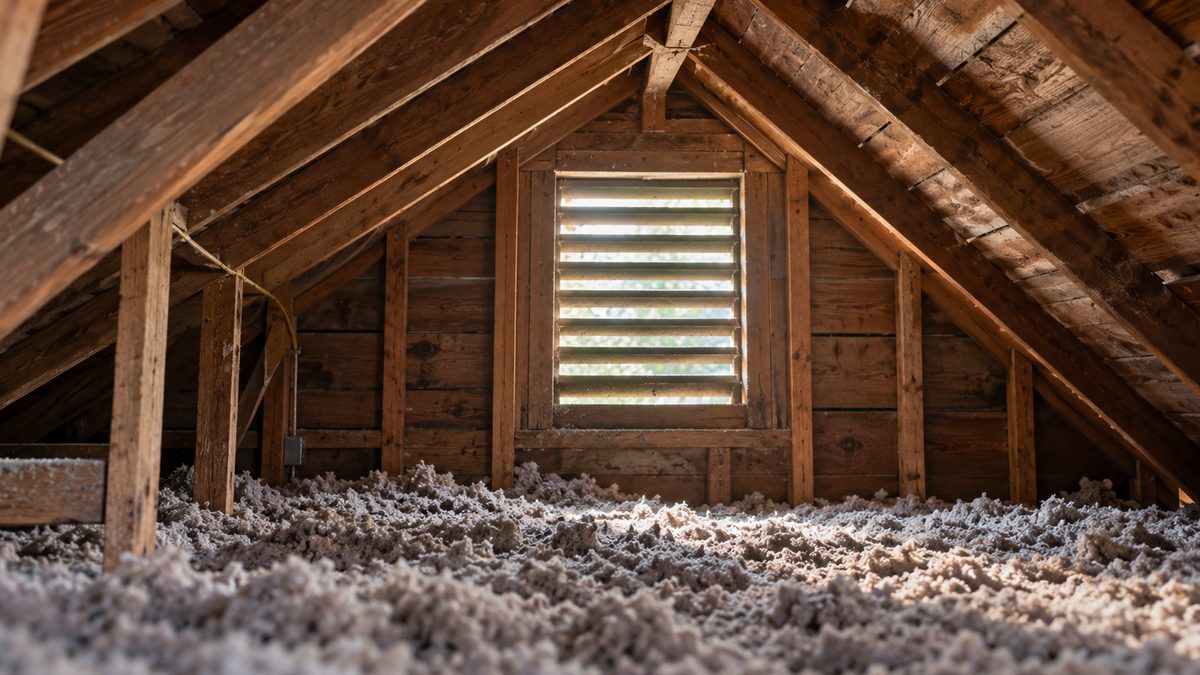
- Visible attic joists
- Uneven room temperatures
- A heating system that runs nonstop
- Cold floors or walls
- Uneven roof snow melt
- Drafty hallways, crawlspaces, or stairwells
- Higher heating bills than similar homes
Connecticut’s climate exposes every weakness in a home’s envelope. Spotting these signs is the first step toward bringing your home up to modern comfort standards.
Check out our podcast on insulating older homes!
Choosing the Right Insulation for Connecticut Homes Today
Modern Connecticut homes benefit from a tailored approach:
Cellulose
Great for older homes; fills cavities fully and controls drafts.
Fiberglass
Cost-effective and reliable when installed correctly; ideal for open-wall projects.
Mineral Wool
Fire-resistant, moisture-tolerant, and stable in New England weather.
Spray Foam
Best for high-leakage areas like rim joists, kneewalls, and cathedral ceilings.
Most homes benefit from a hybrid system. The right mix depends on whether your home was built in 1925 or 2015. If you have a historic home, Connecticut provides guidance on energy efficiency and historic buildings.
Conclusion: From Eelgrass to Energy-Efficient Homes
In 100 years, Connecticut homes evolved from uninsulated shells to high-performance structures capable of handling long, demanding winters. The journey—from eelgrass and sawdust to cellulose, fiberglass, mineral wool, spray foam, and exterior insulation—reflects a century of learning and refinement.
If your home still feels drafty or expensive to heat, odds are it’s carrying the insulation history of another era. The good news: modern materials and proper installation can close that gap quickly and dramatically.
A Connecticut winter will always test your home. The real question is whether your home is ready for it.
👉 Want to upgrade your home to handle the next 100 Connecticut winters? Schedule your free insulation estimate today.
FAQ's about Connecticut Insulation History
How did older Connecticut homes stay warm without modern insulation?
Older Connecticut homes stayed warm using thick plaster walls, dense framing, and central chimneys to retain heat. Families added heavy drapes, draft stoppers, and burned wood or coal for localized warmth. These methods offered partial comfort but lacked the efficiency of modern whole-house insulation.
Is it possible to preserve a historic Connecticut home while upgrading the insulation?
Yes, historic Connecticut homes can be preserved while upgrading insulation by using materials like dense-pack cellulose or mineral wool. These options improve comfort without damaging original features. A proper insulation plan must account for moisture, ventilation, and wall structure to avoid harming historic plaster or siding.
Why do older Connecticut homes often feel colder than their age would suggest?
Older Connecticut homes often feel colder due to air leakage and poor insulation. Homes from the 1980s and 1990s may have minimal fiberglass batts and lack proper air sealing. Gaps in basements, rim joists, and attics allow cold air to circulate, lowering comfort despite thermostat readings.
Has climate change affected how Connecticut homes need to be insulated?
Yes, climate change has affected Connecticut home insulation needs by increasing freeze–thaw cycles, humidity, and temperature swings. These shifts stress building envelopes, making air sealing and continuous insulation more critical. Modern systems must now better manage moisture, prevent ice dams, and stabilize temperatures during rapid weather changes.
Can insulation alone make an old Connecticut home significantly more energy efficient?
Insulation alone improves efficiency, but combining it with air sealing delivers the greatest impact. Dense-packing walls, upgrading attics, and sealing rim joists sharply reduce heat loss. When paired with ventilation and modern HVAC, these upgrades can make old Connecticut homes as efficient as new builds.
Related Articles
Let's Work Together
Ready to transform your home into an energy-efficient haven? Schedule your free energy assessment today and experience the Nealon difference for yourself.