
What area of the home do energy savings come from?
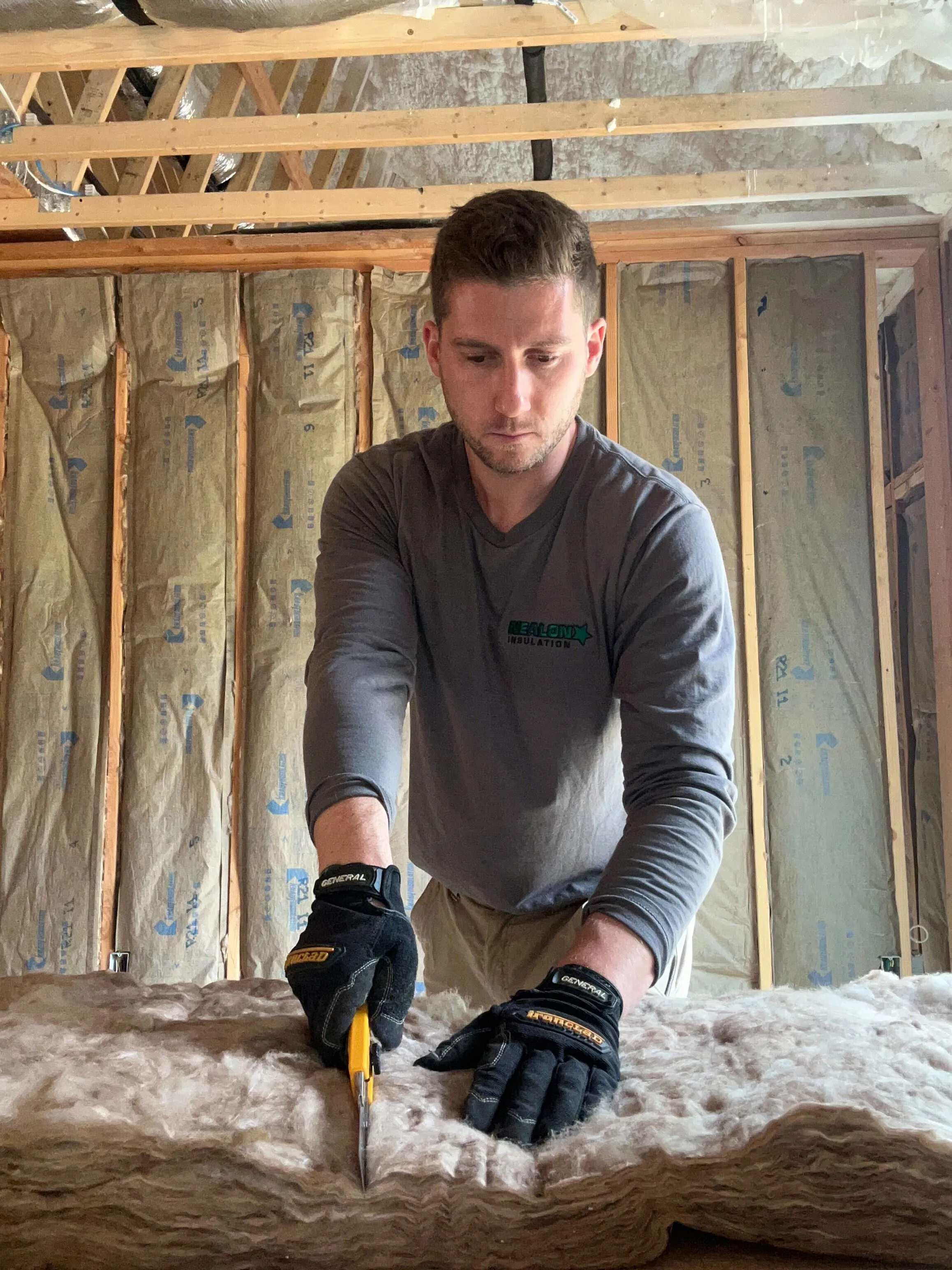
When homeowners ask where they’ll get the biggest energy savings for their investment, they’re usually expecting a showdown between shiny upgrades: new windows, a high-efficiency furnace, maybe a smart thermostat that talks back. That’s understandable. Those are the upgrades you can see, touch, and brag about.
But here’s the truth most people don’t hear early enough: the biggest energy savings home improvements are almost never the most visible ones.
Energy savings don’t start with better equipment. They start with stopping energy loss. If heat is leaking out of your home through the attic, air gaps, and poorly insulated surfaces, no furnace or heat pump can outrun that problem. You’re essentially pouring conditioned air into a bucket with holes and wondering why your energy bills stay high.
That’s why the smartest energy upgrades focus first on the building itself — the insulation and air sealing that control how heat moves in and out. These improvements don’t look exciting on day one, but they consistently deliver the highest return on investment, lower monthly bills, and real comfort improvements you can feel every winter and summer.
Before you spend money upgrading what makes heat or cool air, it’s worth understanding where your home is quietly losing it.
How Homes Lose Energy (And Why That Matters More Than Equipment)
Most homes don’t lose energy because the heating system is old. They lose energy because the house itself leaks — constantly, quietly, and in multiple directions at once.
Heat naturally moves from warm areas to cold ones:
- In winter, warm air rises and escapes through the attic and upper framing
- In summer, hot, humid air pushes inward through the same paths
The biggest culprits are air leaks and weak insulation.
Common problem areas include:
- Attic penetrations around wiring, plumbing, and duct chases
- Recessed lights and top plates
- Rim joists and framing seams
- Thin, uneven, or disturbed insulation
A high-efficiency heating system installed in a leaky home is still heating the outdoors. The equipment may be newer, but the energy loss hasn’t changed.
Why you should insulate before buying a new HVAC system?
Once you understand how and where homes lose energy, the investment logic becomes clear: the most effective upgrades are the ones that slow heat movement and control airflow, because every improvement there reduces the workload on everything else in the house.
Attic Insulation: The Highest ROI Energy Upgrade for Most Homes
If there’s one area of the house that consistently delivers the biggest energy savings for the investment, it’s the attic. That’s not opinion — it’s physics and math working together.
Warm air rises. In winter, the attic becomes the primary escape route for heat. In summer, it absorbs roof heat and pushes it back down into the living space. If the attic isn’t properly insulated, your heating and cooling system spends the year fighting a losing battle.
Many homes:
- Don’t have enough attic insulation
- Have insulation that’s compressed or uneven
- Were insulated around obstacles instead of over them
Insulation only works when it is continuous and correctly installed.
When attic insulation is upgraded properly, homeowners typically see:
- Lower energy bills
- More even temperatures between floors
- Less strain on heating and cooling equipment
Because attics are accessible and relatively straightforward to improve, the cost-to-savings ratio is hard to beat. In many cases, attic insulation pays for itself faster than any other energy upgrade in the home.
Air Sealing: The Upgrade Most Homeowners Skip (And Regret)
Insulation slows heat movement. Air sealing stops it from escaping altogether. And yet, air sealing is one of the most overlooked energy upgrades in residential homes.
Every house has air leaks. Individually, they look minor. Collectively, they can add up to the equivalent of leaving a window open year-round.
This is where the stack effect comes into play:
- In winter, warm air escapes at the top of the house
- Cold air is pulled in from below to replace it
- In summer, hot air is drawn inside through the same leaks
The result:
- Drafts
- Uneven temperatures
- Higher energy bills
- Insulation that never performs as intended
Air sealing delivers some of the fastest comfort improvements a homeowner can feel. Drafts disappear. Temperature swings calm down. Heating and cooling systems cycle less often because they’re no longer compensating for constant air loss.
Skip this step, and most homeowners regret it later — especially once new insulation is installed and access becomes more limited.
Why air sealing is the key to a comfortable home?
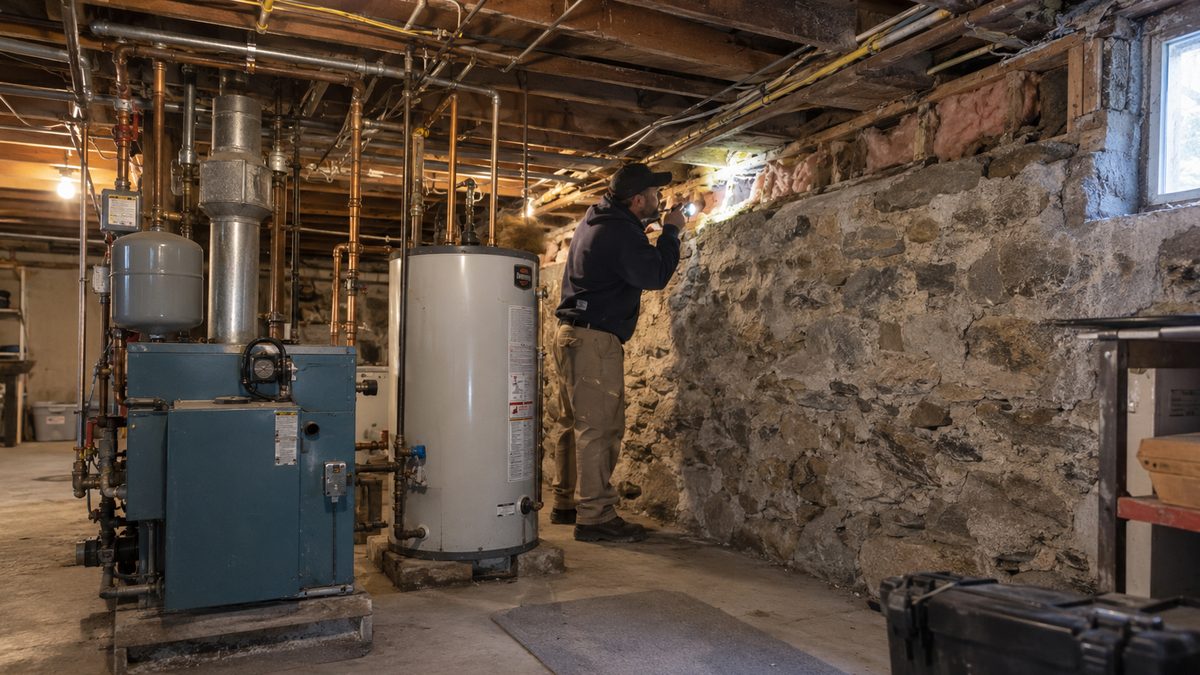
Basement, Crawl Space, and Rim Joist Insulation: The Cold Floor Problem
If your floors feel cold in winter, your basement or crawl space is usually the reason.
These lower areas are often underinsulated or poorly sealed, allowing cold air to enter through:
- Foundation walls
- Rim joists
- Framing gaps
That cold transfers directly into the floors above, making living spaces feel uncomfortable even when the thermostat says everything is fine.
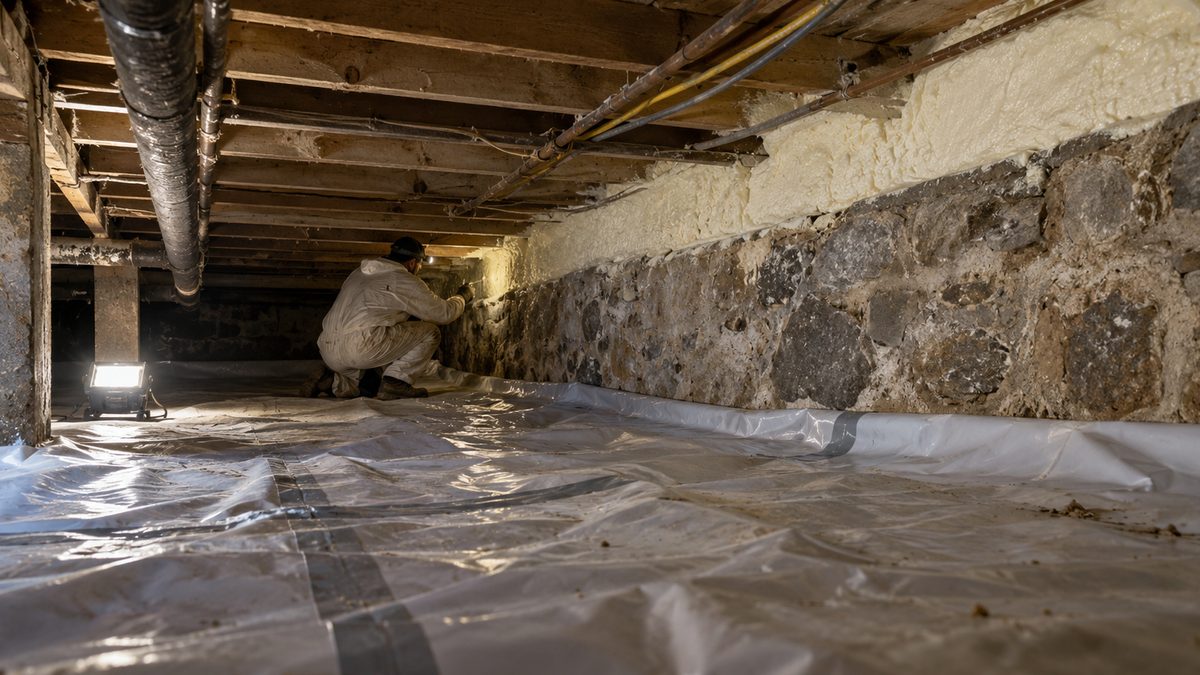
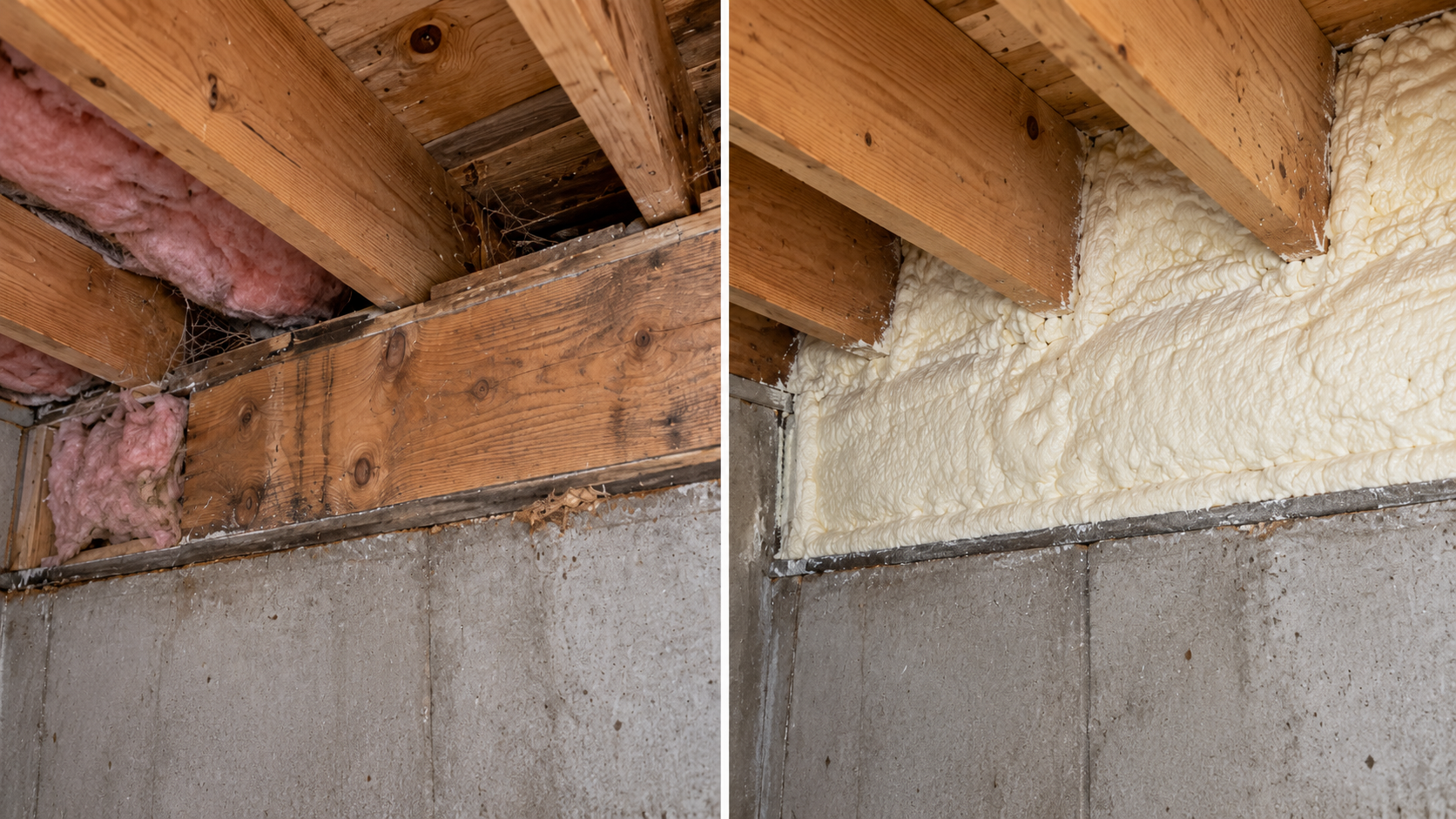
Rim joists are a particularly weak point. They sit at the intersection of foundation and framing, and in many homes they are left uninsulated or sealed with ineffective materials. Because rim joists are both an air leak and a thermal bridge, fixing them often delivers outsized comfort improvements for the cost.
Why spray foam rim joists?
Insulating and air sealing basements and crawl spaces:
- Reduces drafts and cold floors
- Lowers heating demand
- Helps control moisture and improve durability
These areas may be out of sight, but they have a direct impact on comfort and energy performance throughout the house.
HVAC Upgrades: Important, But Only After the Envelope Is Fixed
Upgrading heating or cooling equipment is often the first idea homeowners have when energy bills climb. The logic seems sound. The timing is usually wrong.
In a leaky, underinsulated home:
- New systems run longer than expected
- Equipment is often oversized
- Efficiency gains are diluted
When insulation and air sealing are addressed first, the math changes. Heat loss drops. Comfort improves. The home simply needs less heating and cooling.
That allows for:
- Smaller, less expensive equipment
- Better efficiency
- Longer system lifespan
HVAC upgrades absolutely have value — they just work best when the house itself is no longer fighting them.
Windows and Doors: Comfort Upgrades With Lower Energy ROI
Windows and doors get a lot of attention because they’re visible and easy to blame. In reality, their energy return is usually lower than homeowners expect.
Most heat loss happens around windows, not through the glass. That’s why air sealing and insulation often outperform full window replacements at a fraction of the cost.
Window and door replacement makes sense when:
- Units are failing or rotting
- Comfort or maintenance is the primary concern
From a pure energy-savings perspective, these upgrades usually take much longer to pay for themselves.
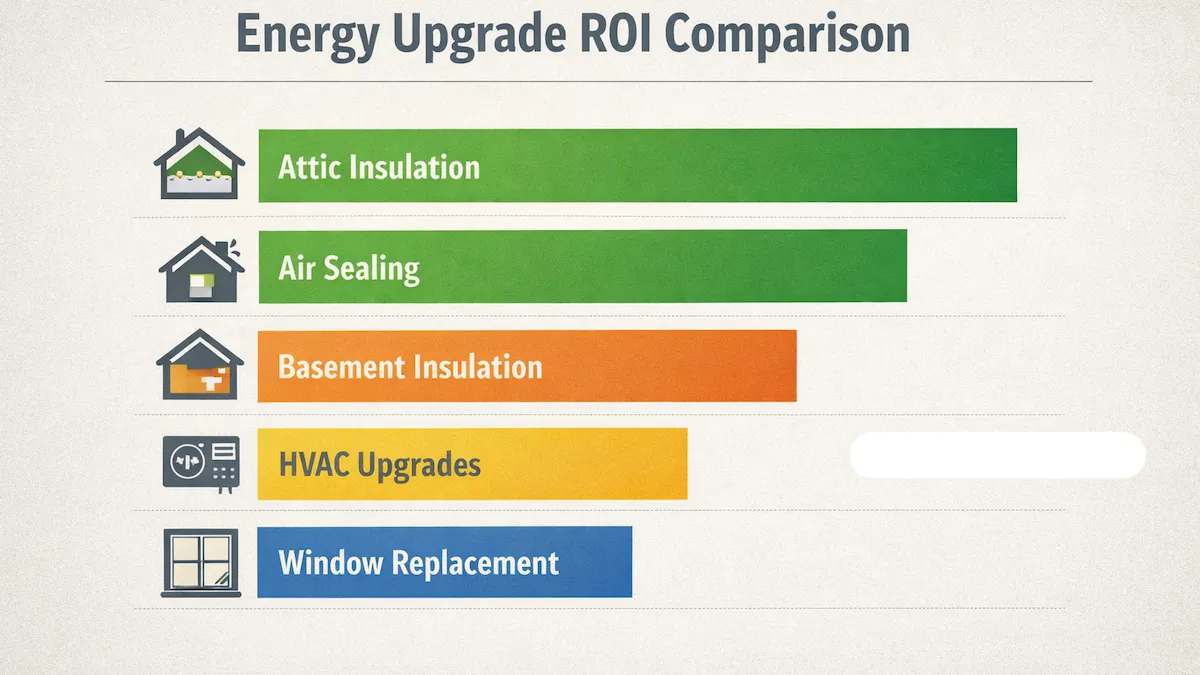
Ranking the Biggest Energy Savings Home Improvements by ROI
When you strip away marketing and focus on cost versus impact, a clear ranking emerges:
- Attic insulation and air sealing
- Basement, crawl space, and rim joist insulation
- Whole-house air sealing
- HVAC upgrades (after envelope improvements)
- Windows and doors
This isn’t about discouraging upgrades. It’s about sequencing them intelligently so each investment makes the next one work better.
How to Prioritize Energy Upgrades in Your Own Home
No two homes lose energy the same way. Age, construction style, climate, and past renovations all matter.
Clues to look for:
- Cold floors → basement or crawl space issues
- Big temperature differences between floors → attic problems
- Drafts and dust → air leakage
The goal isn’t to do everything at once. It’s to:
- Reduce heat loss
- Lower energy demand
- Upgrade equipment when it actually makes sense
When upgrades are prioritized this way, savings become predictable instead of wishful.
Final Takeaway: Spend Where Energy Is Actually Escaping
The biggest energy savings don’t come from chasing flashy upgrades. They come from fixing the basics.
Stop the leaks. Strengthen the insulation. Then size equipment to match the improved home.
When investments follow that order, energy savings stop being theoretical and start showing up where they matter — on your monthly bills and in everyday comfort.
Ready to Find the Biggest Energy Savings in Your Home?
Every home leaks energy differently. The fastest way to get real savings is to identify where your house is losing the most heat and focus on the upgrades that actually move the needle.
👉 Get a clear, practical assessment of your home’s biggest energy-saving opportunities by contacting Nealon Insulation
FAQ's on Energy Savings
How much energy savings can I realistically expect after making these upgrades?
Expect 10–30% energy savings after improving attic insulation and air sealing, with results visible in the first full heating or cooling season. Homes with major air leaks or poor insulation often achieve higher savings, along with fewer drafts, steadier temperatures, and reduced system runtime.
How do I know if insulation or air sealing will actually be worth the investment in my home?
Insulation and air sealing are worth the investment when a home shows high energy bills, uneven temperatures, drafts, cold floors, or ice dams. These symptoms indicate excessive heat loss. A professional evaluation measures insulation levels and air leakage to target upgrades where savings and comfort gains will be measurable.
Will these energy upgrades disrupt my home or daily routine?
Most insulation and air sealing upgrades cause minimal disruption. Contractors typically work in attics, basements, or crawl spaces, avoiding main living areas. Many projects finish in 1–2 days, and homeowners usually remain in the home with only brief setup and cleanup interruptions.
Is it better to bundle energy upgrades together or do them in phases?
Both bundled and phased energy upgrades work, but correct sequencing matters most. Complete air sealing first, add insulation next, and upgrade HVAC systems last. Many homeowners start with attic insulation and air sealing, then address basements or equipment later, achieving strong results without doing everything at once.
How do I know I’m choosing the right contractor for energy-saving upgrades?
Choose the right energy-upgrade contractor by looking for a focus on building performance, not products. A qualified contractor explains where energy is lost, why upgrades are recommended, and what results to expect. Clear explanations, transparent pricing, and no pressure to sell equipment indicate a performance-driven professional.
Related Articles
Let's Work Together
Ready to transform your home into an energy-efficient haven? Schedule your free energy assessment today and experience the Nealon difference for yourself.