
Is There a “Best Time” to Install Insulation?
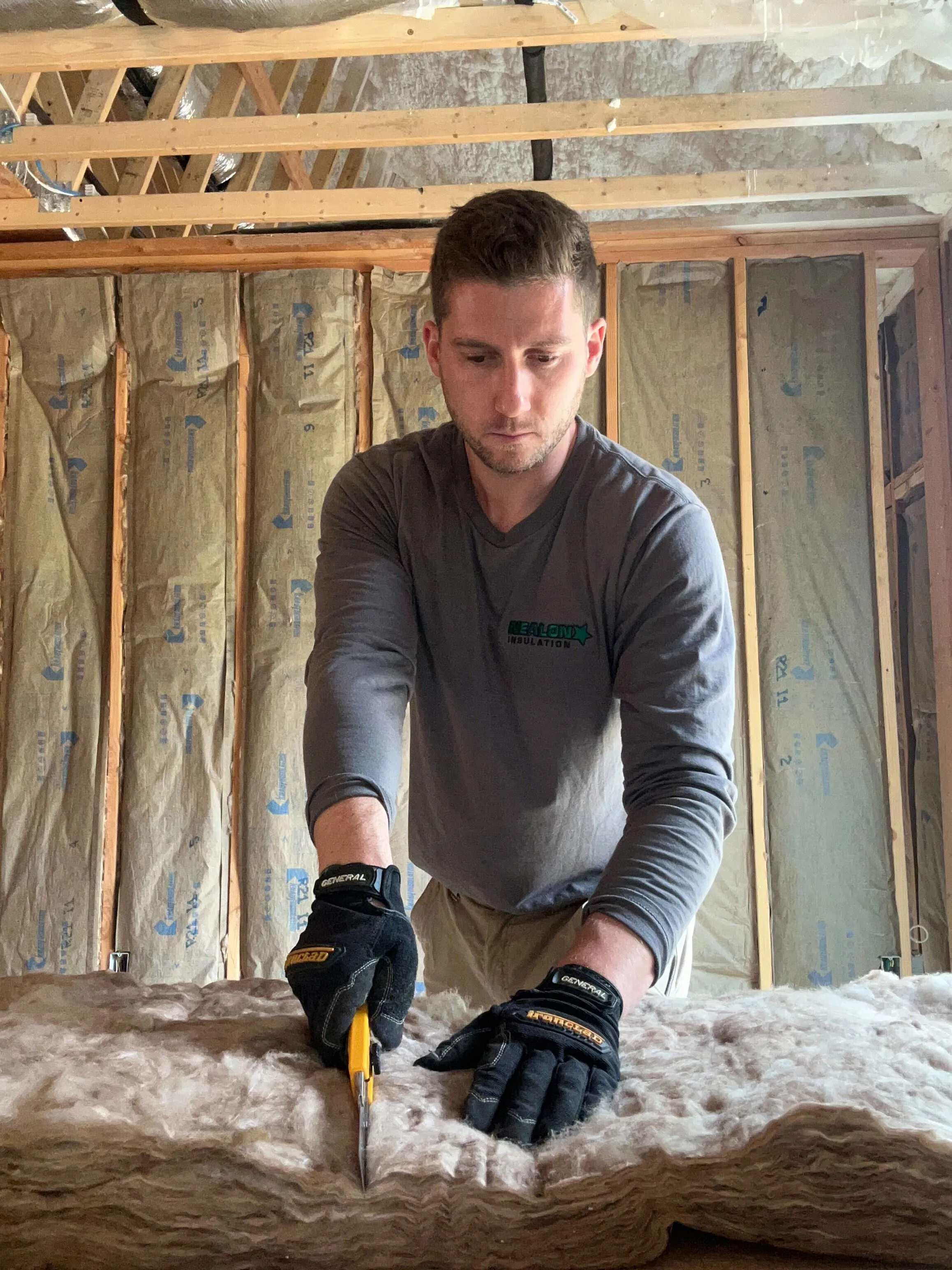

Homeowners ask this question all the time, and it’s a fair one. Everyone wants to know the best time to install insulation—the moment when the work is easiest, the results are strongest, and the investment pays off the fastest.
Here’s the honest answer: there isn’t one universal “perfect” time that applies to every house.
The best time to install insulation depends on two things:
- The time of year, which affects access, scheduling, and how quickly you feel results
- The condition of the home, whether it’s a new build, a remodel, or an older house with comfort issues
Insulation can be installed year-round, and when it’s done correctly, homeowners often notice improvements immediately. The real question isn’t can you install insulation—it’s when does it make the most sense for your situation. Let’s break that down.
The Best Time of Year to Install Insulation
If you’re looking for a simple, calendar-based answer, here it is: insulation can be installed in any season. There’s no temperature where insulation suddenly stops working or can’t be installed safely.
What does change throughout the year is:
- How easy it is to access attics and crawl spaces
- How quickly comfort improvements are noticeable
- How busy contractor schedules tend to be
Some seasons are better for proactive planning. Others are driven by urgent comfort problems. The key is understanding the trade-offs.
Installing Insulation in Summer
Summer is one of the most popular times to install insulation, largely because it’s practical.
Why summer works well:
- Dry weather makes attic and crawl space access predictable
- Scheduling is often easier than peak fall demand
- It allows homeowners to prepare for winter before cold weather hits
Summer insulation is less about immediate comfort relief and more about setting the house up for better performance later. Think of it as preventative maintenance rather than a reaction to discomfort.
Installing Insulation in Fall
If there’s a season most professionals quietly agree is ideal, fall is usually it.
Fall insulation offers:
- Immediate payoff once heating season begins
- Cooler attic conditions compared to summer
- A chance to fix problems before winter exposes them
The downside? Everyone has the same idea. Fall schedules fill quickly, so waiting too long can limit availability. Planning early is key.
Installing Insulation in Winter
Winter is when insulation problems stop being theoretical. Drafts, cold floors, uneven rooms, and rising heating bills make weaknesses obvious.
Winter insulation works well when:
- Comfort problems need immediate relief
- Specific problem areas can be targeted
- Homeowners don’t want to wait months to feel better
Access can be more challenging due to snow or extreme cold, but when conditions allow, winter installs often deliver same-day comfort improvements.
Installing Insulation in Spring
Spring is an underrated time to install insulation, and for many homeowners, it’s a smart strategic window.
Spring insulation makes sense because:
- Winter problem areas are still fresh in mind
- Attics and crawl spaces are more accessible than winter
- The home is prepared for both summer cooling and next winter
It’s a proactive season that allows for thoughtful planning instead of reactive fixes.
The Best Time to Install Insulation in a New Build
In new construction, timing is straightforward: before the walls are closed.
This stage allows for:
- Full access to wall cavities, attics, and penetrations
- Proper coordination with air sealing and mechanical systems
- Consistent, high-performance installation
Once drywall goes up, options become more limited and expensive. Doing it right the first time sets the home up for decades of comfort.
The Best Time to Install Insulation During a Remodel
A remodel is one of the smartest opportunities to upgrade insulation because access is already there.
During a remodel:
- Walls, ceilings, and floors are exposed
- Air sealing and insulation can be coordinated
- Future disruption is avoided
Skipping insulation during a remodel often means it never gets done. Once finishes are installed, the opportunity—and budget—usually disappears.
See our retrofit insulation service.
The Best Time to Add Insulation to an Existing or Older Home
For older homes, the calendar matters less than the symptoms.
Signs it’s time to add insulation include:
- Drafts and uneven temperatures
- Cold floors or walls
- High energy bills
- Rooms that never feel comfortable
Many older homes were built before modern insulation standards. Waiting for a “perfect” season often just means living with avoidable discomfort longer than necessary.
Nealon is a Connecticut historic home insulation specialist.
Does Insulation Cost Less at Certain Times of Year?
Seasonal pricing is often misunderstood. Material costs stay fairly consistent year-round, and the biggest cost drivers are:
- Scope of work
- Accessibility
- Condition of the home
While some seasons offer more scheduling flexibility, delaying insulation to chase a perceived off-season discount often costs more in wasted energy and prolonged discomfort. Value comes from doing the right work at the right time—not waiting for the calendar to change.
Get a ballpark on pricing with the Nealon Insulation pricing calculator.
So, When Is the Best Time to Install Insulation?
After looking at both seasonality and home condition, the answer becomes clear.
The best time to install insulation is when:
- It solves a real comfort or efficiency problem
- Access allows the work to be done correctly
- The benefits can start working immediately
Summer and fall are great for planning ahead. Winter and spring are ideal for addressing known issues. New builds and remodels offer rare, high-value windows. And for older homes with ongoing problems, the best time is simply now.
Most homeowners don’t regret installing insulation. They regret waiting.
Talk to a Local Insulation Expert Before You Decide
Even good general advice can’t replace local experience. Homes vary widely by age, construction style, and climate exposure, especially in regions with older housing stock and coastal conditions.
A local insulation expert understands:
- Common failure points in regional homes
- Typical attic and framing layouts
- Moisture and air leakage patterns that affect performance
That insight helps homeowners prioritize the work that actually matters, instead of guessing based on season alone.
Ready to Find the Right Time for Your Home?
If you want a clear answer based on your home—not a generic rule of thumb—a professional evaluation is the fastest way to get there.
👉 Talk with the Nealon Insulation team and get straightforward guidance tailored to your home
FAQ's on Insulation Times
How do I know if my insulation project should include air sealing too?
Include air sealing in your insulation project if your home has drafts, uneven temperatures, or visible gaps around attic penetrations. Air sealing prevents conditioned air from escaping, allowing insulation to perform effectively. Most older homes benefit significantly when both are done together for comfort and energy savings.
Will installing insulation disrupt my daily routine or require me to leave the house?
Installing insulation rarely disrupts your daily routine or requires leaving the house. Most projects finish in one day, with minimal noise and limited area access. Contractors usually provide advance notice about pets, work-from-home needs, or sensitive areas, ensuring the process stays convenient and non-invasive.
How long will it take before I notice a difference after insulation is installed?
You will likely notice a difference immediately after insulation is installed. Drafts stop the same day, rooms feel more even, and HVAC systems run less. Energy bill savings may take one billing cycle, but comfort improvements like stable temperatures and fewer hot or cold spots are usually felt right away.
Is it better to insulate one area at a time or do everything at once?
Insulating everything at once delivers better performance and value when access and budget allow. Treating the home as a complete system reduces energy loss more effectively. If phased work is necessary, start with the attic and air leaks, as these areas provide the fastest comfort improvements and energy savings.
What should I look for when choosing an insulation contractor?
Choose an insulation contractor with experience in homes like yours and knowledge of local climate conditions. Look for clear explanations of scope, materials, and outcomes, plus a willingness to assess air leakage, moisture, and ventilation. A good contractor prioritizes what your home actually needs, not unnecessary upgrades.
Related Articles

Let's Work Together
Ready to transform your home into an energy-efficient haven? Schedule your free energy assessment today and experience the Nealon difference for yourself.