
Is Cellulose Insulation Good for Extreme Winter Temperatures?
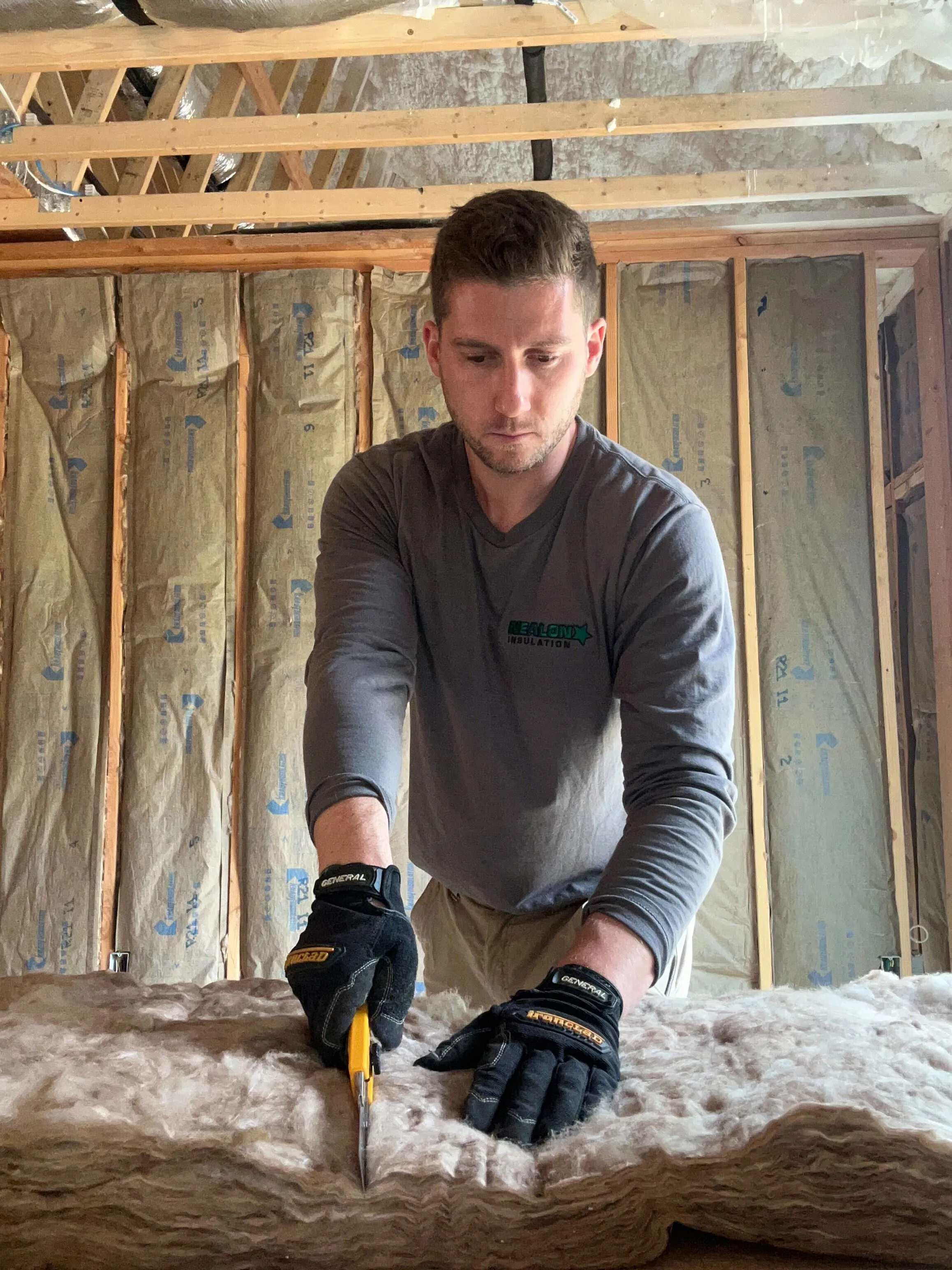

Cellulose insulation has earned a strong reputation for cold-climate performance because of three core qualities: density, air resistance, and stable R-value. Unlike lightweight fiberglass, which allows more air to move through it, dense-pack cellulose creates a heavier, tighter thermal blanket inside your walls and attic. That density significantly reduces convective heat loss, the type of heat escape that becomes most noticeable during winter.
Cellulose also delivers a reliable R-value that holds steady even as temperatures drop below freezing. Some insulation types lose performance during extreme cold, but cellulose’s interlocking fibers trap heat and limit air movement, helping the material maintain its effectiveness throughout winter.
And because cellulose fills cavities completely, including around wiring, framing, and irregular spaces, it works extremely well alongside proper air sealing. The result is fewer drafts, a more stable indoor temperature, and much less heat escaping your home during the coldest months of the year.
How Cellulose Insulation Performs in Extreme Winter Temperatures
When outdoor temperatures hit single digits or swing below zero, insulation materials do not all perform equally. Cellulose insulation is built for these conditions. Its density slows both conductive and convective heat transfer, helping your home retain warmth even during extended cold snaps.
Fiberglass often loses performance in extreme cold because cold air moves more freely through its fibers, reducing its effective R-value. This airflow—sometimes called “wind washing”—is far less of an issue with cellulose. Its dense structure naturally resists airflow, keeping heat inside and maintaining its thermal resistance when you need it most.
Fiberglass vs Cellulose: A detailed breakdown.
Because cellulose is blown in under pressure, it creates a more uniform thermal barrier throughout your walls and attic. That complete cavity fill eliminates cold pockets and supports more consistent indoor temperatures, even when winter weather becomes severe.
Is Cellulose the Best Insulation for Harsh Winter Weather?
Cellulose is one of the top performers in harsh winter conditions because it controls air movement and retains heat exceptionally well. Compared with fiberglass, cellulose’s density gives it a meaningful edge, it reduces airflow, eliminates gaps, and fills odd-shaped cavities that batt insulation often misses.
Spray foam does provide the highest level of air sealing, but cellulose offers a strong balance of performance, cost-efficiency, and environmental sustainability, particularly for retrofit projects. Mineral wool performs well in cold weather too, but it cannot match cellulose when it comes to reducing convective air movement inside wall and attic cavities.
Spray Foam vs Cellulose: A detailed breakdown.
For many homeowners, especially in Connecticut, cellulose offers one of the most dependable, consistent insulation solutions for winter.
R-Value Requirements for Connecticut and Other Cold Regions
Cold climates demand higher R-values to maintain indoor comfort and reduce heat loss. In Connecticut, the recommended levels are:
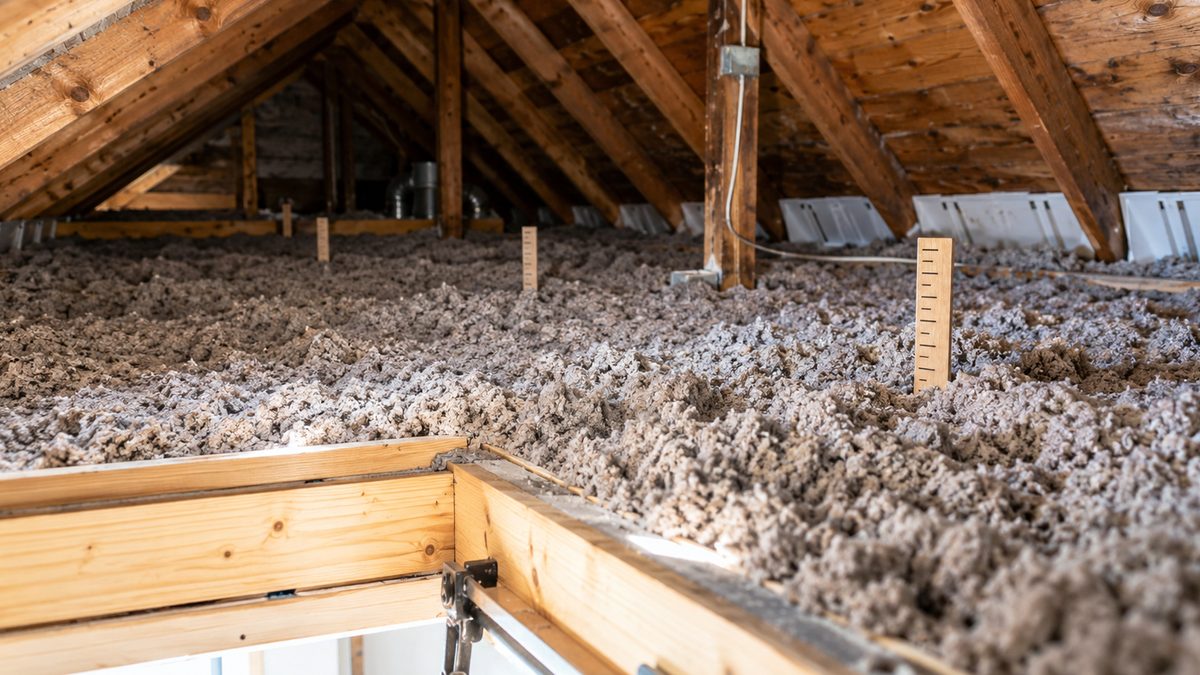
- Attics: R-49 to R-60 (typically 14–18 inches of blown-in cellulose)
- Exterior walls: R-13 to R-21, depending on cavity depth and home age
- Basements and rim joists: R-10 to R-15, depending on assembly
Blown-in cellulose is particularly effective in attics because it achieves these higher R-values without leaving gaps. Dense-pack cellulose in walls provides both insulation and air resistance, a major advantage in older homes that struggle with drafts or cold spots.
The key benefit: cellulose’s thermal resistance holds steady in extreme cold, making it a reliable choice for meeting and exceeding R-value expectations across the Northeast.
How Cellulose Handles Moisture in Winter Conditions
Winter brings a unique moisture challenge. When warm indoor air meets cold exterior surfaces, condensation can form inside walls or attics. Cellulose is built to handle this fluctuation because it is vapor-open and moisture-buffering, it can safely absorb and release small amounts of moisture as conditions change.
This adaptability reduces the risk of condensation or mold growth during freeze–thaw cycles. Borate treatments in cellulose also provide natural mold resistance, an important benefit in humid or coastal climates.
While cellulose manages humidity well, proper air sealing and ventilation are essential. When installed in a tight, well-ventilated building assembly, cellulose maintains its structure, R-value, and longevity through even the harshest winters.
What to do if you insulation gets wet?
Blown-In Cellulose vs. Dense-Pack Cellulose in Cold Climates
Cellulose typically comes in two forms:
- Blown-in cellulose is used for open attics. Contractors apply it to significant depths to achieve the high R-values needed to keep heat from escaping upward. This helps prevent ice dams and maintains a cold roof deck, which is essential in winter.
- Dense-pack cellulose is used in walls, slopes, and closed cavities. It is installed under pressure, giving it the density needed to dramatically reduce airflow. This makes dense-pack cellulose ideal for draft reduction and heat retention, two of the biggest challenges in cold climates.
Most homes benefit from both methods: dense-pack cellulose in walls to limit air leakage and blown-in cellulose in attics to reach high R-values.
When Cellulose Insulation May Not Be the Best Fit
Although cellulose is a strong cold-climate performer, it isn’t always the best choice in every situation.
Cellulose may not be ideal if:
- The home has major open air leaks that require spray foam to seal before insulating.
- The space experiences bulk moisture, such as wet basements or damp crawlspaces.
- The assembly requires very high R-value per inch due to limited cavity depth.
- A full vapor barrier is needed for highly specialized building systems.
In these cases, a hybrid approach, spray foam for sealing, cellulose for the broader cavities, often delivers the best results.
Key Benefits of Using Cellulose Insulation in Extreme Winter Temperatures
Homeowners in cold regions choose cellulose for a reason. Its major benefits include:
- Consistent heat retention: Minimizes both conductive and convective heat loss.
- Improved draft control: Dense fibers slow air movement inside wall cavities.
- Greater winter efficiency: Reduces the workload on heating systems.
- Better sound control: Adds noticeable noise reduction in tightly closed winter homes.
- Environmentally responsible: Made primarily from recycled materials and treated for fire resistance.
Together, these features make cellulose one of the most dependable insulation materials for extreme cold.
Signs Your Home Needs Better Insulation for Winter
Your home will often tell you when insulation isn’t keeping up with winter demands. Common signs include:
- Cold spots or rooms that never warm up
- Drafts around walls, outlets, or baseboards
- Uneven temperatures throughout the house
- Ice dams forming on the roof
- Steep winter heating bills or an HVAC system that runs constantly
If you’re seeing any of these issues, improving your insulation—especially with cellulose—can deliver immediate improvements in comfort and energy costs.
Should Connecticut Homeowners Choose Cellulose for Extreme Cold?
For most Connecticut homes, the answer is yes. Cellulose is exceptionally well-suited to the region’s long, cold winters, and its performance shines especially in older homes that struggle with drafts and heat loss.
Dense-pack cellulose is ideal for retrofitting exterior walls without major renovation, while blown-in cellulose excels in attics where high R-values are essential. In some cases, pairing cellulose with spray foam at critical leak points creates the strongest possible thermal envelope.
Overall, cellulose provides the winter stability, comfort, and efficiency that Connecticut homeowners need.
Final Verdict: Is Cellulose Insulation Good for Extreme Winter Temperatures?
Absolutely. Cellulose is one of the most reliable, high-performing insulation materials for extreme winter conditions. Its density, airflow control, and stable cold-weather R-value make it a standout choice for maximizing comfort and reducing heat loss.
When installed properly—especially alongside air sealing—cellulose creates a resilient thermal envelope that performs even in subzero temperatures. It is a practical, sustainable, and cost-effective way to improve your home’s winter performance.
Talk to a Connecticut Insulation Expert
If your home struggles to stay warm in winter or you’re considering an insulation upgrade, cellulose is one of the smartest, most dependable options available. Nealon Insulation has nearly five decades of experience helping Connecticut homeowners tackle drafts, ice dams, and high heating bills with tailored, high-performance solutions.
To get started, schedule a consultation or reach out with any questions.
👉 Contact Nealon Insulation for you estimate today.
FAQ's about Cellulose
Does cellulose insulation settle in cold climates, and will that reduce its effectiveness?
Cellulose insulation settles slightly over time, but proper dense-pack installation prevents significant compression. Cold climates do not accelerate settling. In attics, installers compensate by adding depth. When installed to modern standards, cellulose insulation maintains its R-value and remains effective in cold climates.
Will cellulose insulation help prevent pipes from freezing during extreme cold?
Cellulose insulation helps reduce the risk of frozen pipes by slowing heat loss in exterior walls and unconditioned areas. Its dense structure fills gaps, keeping wall cavities warmer. While it doesn't guarantee freeze prevention, pairing cellulose with air sealing or spray foam in vulnerable spots adds extra protection.
Can cellulose insulation improve indoor comfort during sudden temperature drops?
Cellulose insulation improves indoor comfort during sudden temperature drops by slowing heat loss and stabilizing room temperatures. Its thermal mass stores heat better than fiberglass, buffering against rapid outdoor changes. This reduces furnace cycling and keeps living spaces more consistently warm during cold snaps.
Is cellulose insulation safe if my attic gets very cold in winter?
Cellulose insulation remains safe and effective in very cold attics. It’s treated with fire-resistant borates and retains performance in freezing temperatures. A cold attic is expected and helps prevent ice dams. When ventilation and air sealing are done properly, cellulose insulation performs reliably throughout winter.
Does heavy winter humidity or condensation affect cellulose insulation?
Heavy winter humidity or condensation does not affect cellulose insulation’s performance. Cellulose is vapor-open, allowing it to absorb and release moisture without trapping it in wall cavities. As long as bulk water issues are controlled, cellulose stays effective and stable even during high indoor humidity in winter.
Related Articles

Let's Work Together
Ready to transform your home into an energy-efficient haven? Schedule your free energy assessment today and experience the Nealon difference for yourself.