
Insulation Warranty in Connecticut: What’s Actually Covered (and What Isn’t)
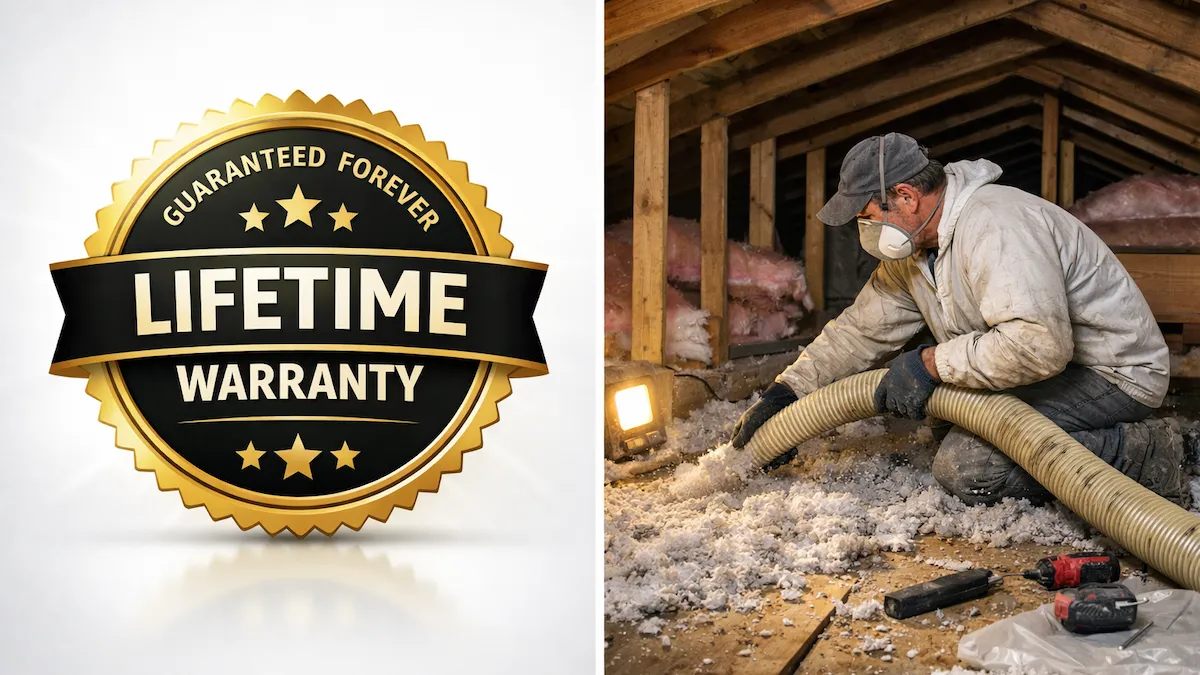
If you’ve started calling insulation companies in Connecticut, you’ve probably heard the phrase “lifetime warranty” more than once.
It sounds reassuring. It sounds expensive (in a good way). And it sounds like once the insulation goes in, you’ll never have to think about it again.
But here’s the problem: most homeowners and contractors aren’t talking about the same thing when they say “warranty.”
In the insulation world, a warranty can mean very different things depending on who’s offering it and what exactly is being covered. Some warranties apply only to the insulation material. Others cover installation workmanship, but only for a short window. A few sound broad in marketing, but are much narrower once you read the fine print.
So let’s clear it up.
This article explains:
- What insulation warranties are actually available in Connecticut?
- The difference between product warranties and installation warranties?
- Why “lifetime” doesn’t always mean what homeowners think it means?
- What you should realistically look for before hiring an insulation contractor?
The goal isn’t to sell you on a promise. It’s to help you understand how insulation warranties really work, so you can make a confident, informed decision.
Do Insulation Companies in Connecticut Offer Warranties?
The short answer is yes—but almost always on the product, not the installation.
Most established insulation companies in Connecticut install materials that come with manufacturer warranties. These warranties are standard and are provided by the company that makes the insulation—not the contractor who installs it.
What’s far less common are long-term installation or workmanship warranties.
Here’s what homeowners typically see in Connecticut:
- Manufacturer warranties on insulation materials are standard
- Installation warranties are limited, short-term, or not offered at all
- Warranty details are sometimes documented clearly—and sometimes only implied in sales conversations
This is where confusion starts.
A homeowner may hear “the insulation has a lifetime warranty” and reasonably assume that includes the installation. In most cases, it does not.
What’s usually being covered is the insulation material itself. If insulation underperforms because of air leaks, missed areas, moisture issues, or changes to the home, that situation typically falls outside a manufacturer warranty—and outside any long-term installation guarantee.
Key takeaway:
Warranties for insulation in Connecticut do exist—but they almost always apply to the product, not the installation. Before moving forward, it’s critical to understand who is providing the warranty and what it actually covers.
The Two Types of Insulation Warranties (And Why the Difference Matters)
When homeowners hear the word warranty, they usually assume one thing: If something goes wrong, it gets fixed.
With insulation, that assumption can be misleading. There are two very different types of warranties, and they do very different things.
Manufacturer (Product) Warranties
This is the most common type of insulation warranty in Connecticut.
A manufacturer warranty covers the insulation material itself. In plain terms, the company that makes the insulation is saying the product won’t fail due to a manufacturing defect.
What product warranties typically cover:
- Defective insulation material
- Breakdown caused by manufacturing issues
- Long-term material integrity (often described as “lifetime”)
What they typically do not cover:
- Improper installation
- Labor to remove or reinstall insulation
- Performance problems caused by air leakage, moisture, or building conditions
This is why spray foam insulation often comes with bold “lifetime warranty” language. The foam itself is extremely durable. But if it’s installed unevenly, paired with poor air sealing, or applied incorrectly, the manufacturer warranty usually doesn’t apply.
A product warranty protects the insulation. It does not protect you from a bad install.
Installation (Workmanship) Warranties
An installation warranty comes from the insulation contractor, not the manufacturer.
This type of warranty covers issues related to how the insulation was installed, not the insulation itself.
Installation warranties may cover:
- Missed areas
- Improper application
- Clear installation defects identified shortly after the job
- Corrective labor within the warranty period
Why these warranties are usually limited:
Insulation performance is influenced by factors no contractor can control long-term—roof leaks, remodeling, HVAC changes, moisture issues, and pests, to name a few.
Because of that, most insulation companies in Connecticut:
- Offer short-term workmanship warranties (often one year)
- Limit coverage to clearly documented installation defects
- Avoid open-ended labor guarantees
Long-term installation warranties do exist, but they’re the exception, not the rule.
Why Most Insulation Warranties Focus on the Product — Not the Installation
At first glance, it can feel frustrating that insulation warranties focus more on the product than the install. But there’s a practical reason for that.
Insulation performance depends on more than the insulation itself.
Over time, homes change:
- A small roof leak can damage insulation years later
- Remodeling can disturb insulation in walls or attics
- HVAC upgrades can change airflow and pressure
- Moisture or ventilation issues can reduce effectiveness
- Pests can move or damage insulation long after installation
Manufacturers can confidently warranty the material. Contractors can’t reasonably guarantee conditions inside a home for decades.
That’s why most Connecticut insulation warranties are structured this way:
- Manufacturers warranty the product
- Contractors offer limited workmanship coverage
- The focus is on getting the installation right the first time
And that’s actually where homeowners benefit most.
A properly designed and installed insulation system rarely needs a warranty claim at all.
Are Insulation Warranties Different by Material?
Yes. The type of insulation you choose affects the kind of warranty you’re likely to see.
Spray Foam Insulation Warranties
Spray foam insulation typically comes with the strongest warranty language.
Manufacturers often offer long-term or “lifetime” warranties because spray foam:
- Doesn’t settle
- Doesn’t sag
- Doesn’t degrade under normal conditions
- Acts as both insulation and air sealing
That durability makes spray foam warranties sound impressive. Just remember: long-term coverage usually applies to the material, not unlimited installation labor.
Cellulose Insulation Warranties
Cellulose insulation warranties are generally more conservative.
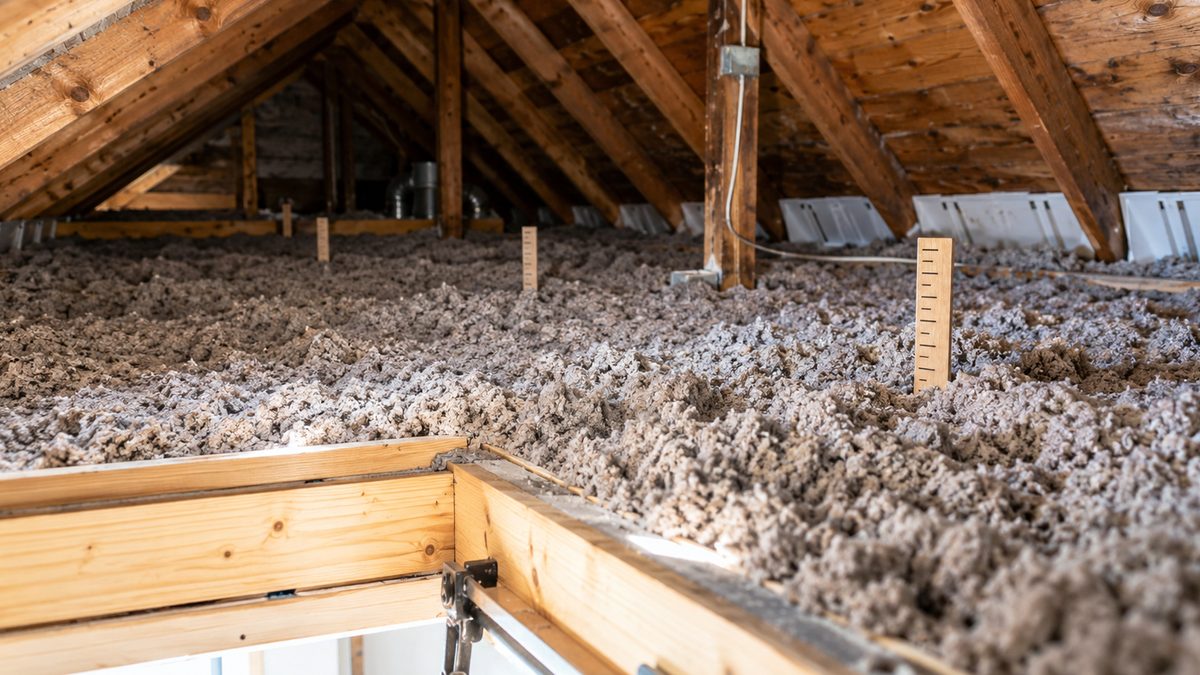
Cellulose is a high-performing material, but it’s also loose-fill and dense-packed, which means some movement over time is expected. Manufacturer warranties focus on product integrity, not long-term performance changes due to settling or moisture.
Installation warranties, when offered, tend to be short and specific.
Nealon Insulation uses Green Fiber cellulose. Green Fiber product warranty can be found in the the documents.
Fiberglass Insulation Warranties
Fiberglass insulation warranties are similar to cellulose warranties.
The product itself can last a very long time, but performance depends heavily on proper installation and air sealing. If fiberglass is compressed or installed around air leaks, comfort and efficiency suffer—even if the material hasn’t failed.
As a result, warranties usually focus on the material, not long-term performance outcomes.
What Connecticut Homeowners Should Look for in an Insulation Warranty
Instead of chasing the longest warranty language, focus on clarity and realism.
Here’s what actually matters.
Clear, Written Terms
A real warranty should be in writing and explain:
- What’s covered
- What’s excluded
- Who provides the coverage
- How long it lasts
A Clear Separation Between Product and Installation Coverage
Make sure you understand:
- Which warranties come from the manufacturer
- Whether the contractor offers any workmanship warranty
- How long installation coverage lasts, if it exists
Reasonable Expectations
A modest, clearly defined warranty from an experienced contractor is often more meaningful than a sweeping promise that’s hard to enforce.
Documentation
Good contractors document:
- Materials used
- Where insulation was installed
- Target R-values or coverage
- Included air sealing work
Contractor Reputation
A warranty is only useful if the company is still around. Longevity, specialization, and transparency matter more than marketing language.
Check out Nealon Insulation's 5 star Google Reviews.
What is the the Nealon Insulation Promise?
At Nealon Insulation, we’re upfront about something most homeowners don’t hear often: no warranty replaces good work done right the first time.
Insulation warranties—especially manufacturer warranties—have limits. We don’t try to blur those lines or hide behind marketing language. Instead, we focus on what actually delivers long-term comfort and performance: proper evaluation, thoughtful design, and careful installation.
Here’s what our promise means in practice.
- Right material, right place
We don’t push one insulation type for every home. We recommend materials based on how your house is built, how it’s used, and what problems you’re trying to solve. - Installation done with intention
Air sealing, moisture awareness, and detail work matter. We treat insulation as a system, not just a product. - Accountability after the job is done
If something doesn’t look right or feel right after installation, we take the conversation seriously and address legitimate concerns promptly. - A long-term relationship, not a one-time sale
Nealon Insulation has been serving Connecticut homeowners for decades. Our reputation depends on standing behind our work—not hiding behind warranty language.
In short, our promise isn’t built around buzzwords like “lifetime.” It’s built around doing the work carefully, explaining it honestly, and being here when you need us.
That’s the kind of guarantee we believe actually matters.
Common Insulation Warranty Questions
What happens if insulation fails after installation?
If insulation fails after installation, the outcome depends on the cause. Manufacturer defects may be covered by product warranties, installation errors may fall under workmanship warranties, and issues caused by moisture, remodeling, or HVAC changes usually fall outside coverage. Proper diagnosis determines responsibility.
Does air sealing affect whether a warranty issue applies?
Yes, air sealing indirectly affects whether a warranty issue applies. Most insulation warranties assume proper installation conditions. If air sealing is skipped or incomplete, insulation can underperform without being defective. Performance complaints often fall outside warranty coverage because the surrounding system, not the material, is the issue.
If something feels wrong after installation, but it’s not a “defect,” what happens?
If something feels wrong after installation but is not a clear defect, the contractor’s response matters more than warranty language. Good contractors revisit the job, reassess air sealing and coverage, explain performance expectations, and clarify what is included versus what requires additional work.
Should I be worried if an insulation company doesn’t offer a long warranty?
No, you should not assume a long warranty means better insulation work. Reputable insulation contractors often use conservative warranty language, focus on correct installation upfront, and clearly explain risks and limits. Experience, evaluation quality, and proven performance matter more than relying on a warranty later.
What’s the best question to ask before signing an insulation contract?
Ask, “How will you determine whether a problem is caused by the insulation material, the installation, or another part of the house?” This question reveals how the contractor diagnoses issues, explains warranty responsibility, handles gray areas, and takes accountability after the job is complete.
The Bottom Line on Insulation Warranties in Connecticut
Most insulation warranties in Connecticut protect the product, not the installation. That’s normal—and it’s not a red flag.
What matters most is:
- A thoughtful evaluation of your home
- The right insulation for the situation
- Proper air sealing and moisture awareness
- An experienced contractor who explains expectations clearly
A clear, honest warranty paired with quality work upfront is far more valuable than a promise you’ll hopefully never need to use.
Talk to a Connecticut Insulation Expert (No Guesswork)
If you’re comparing insulation options or trying to make sense of warranty language, the right conversation should feel straightforward—not salesy.
👉 If you want clear answers about insulation options, warranties, and what makes sense for your Connecticut home, contact Nealon Insulation.
Related Articles
Let's Work Together
Ready to transform your home into an energy-efficient haven? Schedule your free energy assessment today and experience the Nealon difference for yourself.