
Best Insulation for Cold Climates: What Actually Works When the Temperatures Drop
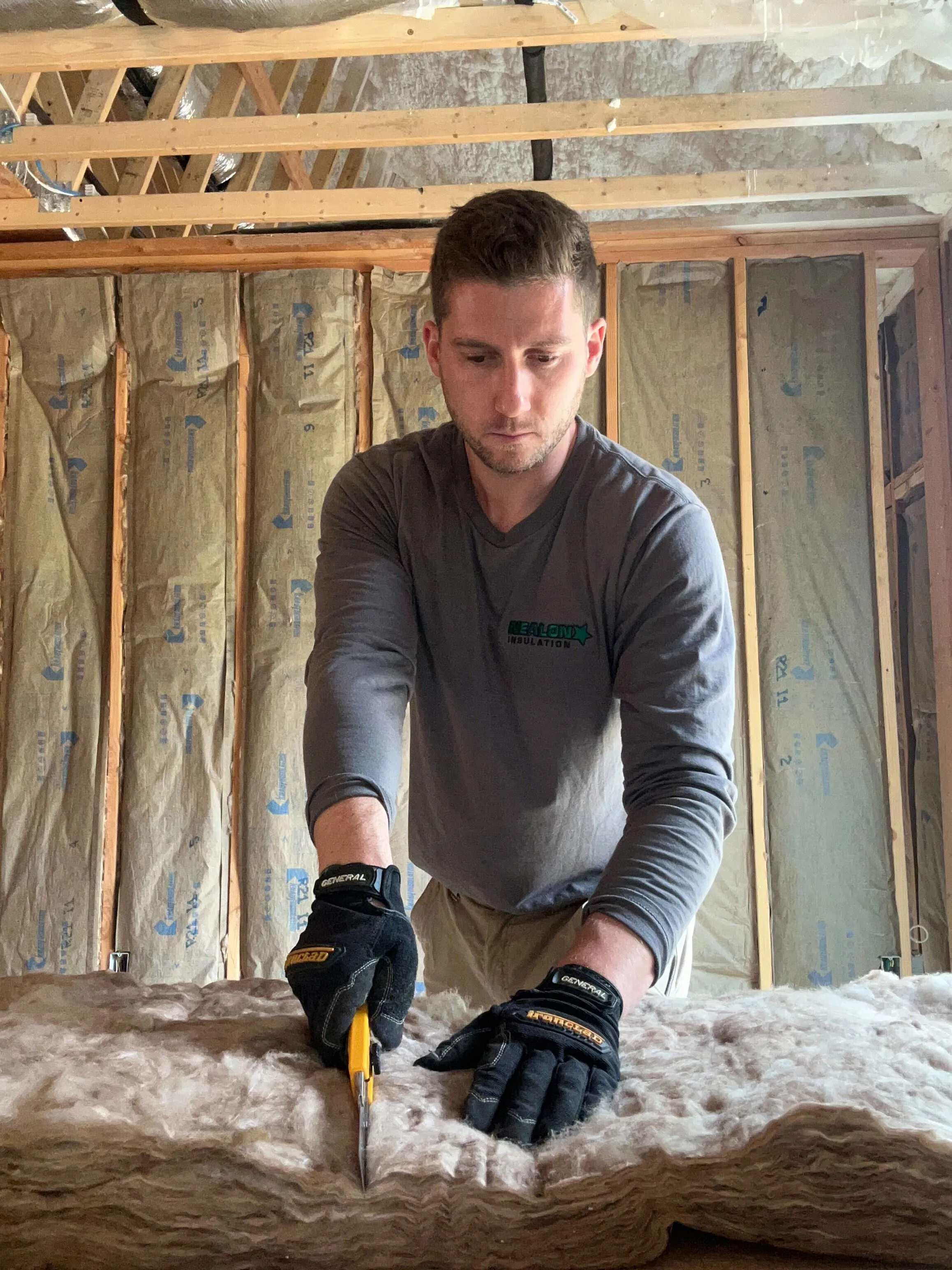

If you’re dealing with a real Connecticut winter, the kind where your attic turns into a walk-in freezer and the wind sneaks through every gap it can find, your insulation needs to do more than sound good on paper. It needs to perform. The best insulation for cold climates is the material that can do three things at once: deliver a high R-value, stop air leaks, and stay stable when temperatures drop.
When we look at what actually works in shoreline homes year after year, three products consistently rise to the top:
- Spray foam, the heavyweight champion of air sealing with the highest R-value per inch.
- Dense-pack cellulose, a dense, cold-weather performer that slows air movement and holds its R-value even in freezing attic conditions.
- Properly installed fiberglass, a cost-effective option that performs far better than expected when the air sealing is done correctly.
Every home is different, and every space—attics, walls, basements—has its own best solution. But if the goal is simple, steady winter comfort, these are the materials that keep warm air where it belongs.
Key Takeaway
Why Cold Climates Demand Higher R-Values
Cold climates are unforgiving. When temperatures sit below freezing for days at a time, heat doesn’t just “escape” your home, it rushes out. That’s why insulation in cold-weather regions needs higher R-values than what you’d use in milder areas. R-value measures resistance to heat flow; the higher it is, the slower your heat leaks into the outdoors.
In practical terms, here’s what that means for a Connecticut home:
- Attics: R-49 to R-60
- Walls: R-13 to R-21, depending on cavity depth and material
- Floors over unheated spaces: R-30 to R-38
But R-value alone isn’t enough. Cold-weather performance also depends on:
- Material density (light insulation shifts, settles, and leaks heat faster).
- Air movement (wind washing can drop your effective R-value dramatically).
- Moisture control (condensation slices insulation performance almost immediately).
This is where spray foam and dense-pack cellulose shine, they hold their structure, resist air movement, and stay consistent even when your attic is cold enough to store ice cream.
Key Factors That Make Insulation Perform Better in Winter
Two homes can have the same listed R-value and still perform completely differently in January. The difference usually comes down to three things.
Air Sealing
If the attic floor isn’t sealed, top plates, chases, recessed lights, electrical cutouts, your heat will bypass the insulation entirely. Spray foam seals automatically; fiberglass and cellulose require proper air sealing beforehand.
Moisture Resistance
Warm indoor air carries moisture. When it reaches a freezing attic or wall cavity, condensation forms and insulation performance drops quickly. Materials that tolerate humidity swings (like foam and cellulose) hold up better in cold climates.
Density and Wind Washing Control
Loose, fluffy insulation can shift or get pushed around by attic airflow. Dense materials, dense-pack cellulose, mineral wool, or spray foam, stay put and maintain their performance through the worst winter conditions.
Combine these three, and insulation stops being “fluff in the attic” and becomes an actual thermal barrier.
Best Types of Insulation for Cold Climates
Cold climates reveal what insulation is really made of. Some materials hold their R-value and handle freezing conditions; others fade as soon as the wind picks up. Here’s how the top options perform in real New England homes.
Spray Foam Insulation
Spray foam delivers insulation and air sealing in one shot, gripping framing, blocking drafts, and offering the highest R-value per inch.
Best for:
- Attic slopes and cathedral ceilings
- Rim joists
- Difficult, leaky areas
- Homes battling ice dams
Winter performance: unmatched.
Dense-Pack Cellulose
Dense-pack cellulose excels in freezing climates because density matters. It slows air movement and maintains consistent performance when the attic drops below freezing.
Best for:
- Wall cavities
- Attics needing dense, stable coverage
- Older homes with irregular framing
Winter performance: incredibly reliable.
Fiberglass (Blown-In or Batts)
Fiberglass works well when installed correctly and paired with proper air sealing. Blown-in fiberglass offers uniform coverage in open attics.
Best for:
- Open attics
- Standard wall cavities
- Budget-conscious upgrades
Winter performance: strong when protected from wind washing.
Mineral Wool
Mineral wool delivers high R-value, excellent moisture resistance, and superior fire protection.
Best for:
- Basements
- Exterior walls
- Damp or partially conditioned areas
Winter performance: steady and consistent.
Which Insulation Is Best for Each Part of Your Home?
Each area of the home loses heat differently, so the best insulation depends on how that space behaves in winter.
Attics
Top performers:
- Blown-in fiberglass or dense-pack cellulose for open attics.
- Spray foam for attic slopes, kneewalls, and complex framing.
Without air sealing first, even the best attic insulation underperforms.
Walls
Top performers:
- Dense-pack cellulose for full cavity fill and air resistance.
- Spray foam when air sealing needs to be built in.
Older shoreline homes often see the biggest improvement from dense-pack wall upgrades.
Basements and Rim Joists
Top performers:
- Closed-cell spray foam for rim joists.
- Mineral wool for damp basements.
These upgrades eliminate cold floors and upward drafts.
Floors Over Unheated Spaces
Top performers:
- Spray foam for insulation plus air sealing.
- Mineral wool or fiberglass batts in accessible cavities.
Comparing Insulation Types for Cold Weather Performance
A simple, side-by-side look at how each material performs when temperatures plunge:
The best-performing cold-climate homes almost always use a combination of materials based on location and need.
How Proper Installation Impacts Cold Climate Performance
No insulation, no matter the price tag, can outperform a poor installation. Two homes with the same material can perform worlds apart in winter based on prep work and craftsmanship.
Key factors include:
Air sealing first: Without it, insulation becomes a suggestion.
Consistent coverage and density: Thin spots, gaps, and poorly fitted batts kill R-value.
Balanced ventilation: Prevents moisture buildup while avoiding wind washing.
Moisture control: Necessary to prevent condensation that degrades insulation.
Precision installation is what turns insulation into a real cold-weather defense system.
Additional Upgrades to Keep Your Home Warm in Winter
Insulation works best when supported by a few essential upgrades:
- Air sealing and weatherization around penetrations, doors, and windows
- Proper attic ventilation using baffles to protect airflow
- Duct sealing to keep heat inside the home’s envelope
- Foam sealing around windows and doors to eliminate framing leaks
- Rim joist and basement improvements to stop cold infiltration at the lowest points of the house
None of these steps are dramatic, but together they elevate your home’s overall winter performance.
How Insulation Helps Lower Heating Costs in Winter
The colder it gets, the more insulation pays off. Here’s what homeowners typically see:
Lower heat loss
Upgrading an attic from R-19 to R-49 can reduce heat loss by more than half, often cutting heating bills 15–30 percent.
Improved furnace efficiency
Better insulation stabilizes temperatures, reducing system run-time and wear.
Even room-to-room comfort
Eliminates cold spots that tempt you to crank the thermostat.
Lower peak energy use during extreme cold events
Strong insulation prevents the runaway heat loss that drives up January and February bills.
Final Recommendation: Choosing the Best Insulation for Your Cold Climate Home
Cold climates require a strategic approach. Spray foam delivers elite sealing and R-value. Dense-pack cellulose excels in walls and attics that need dense, stable coverage. Blown-in fiberglass remains a strong budget-friendly option when air sealing is done correctly. Mineral wool is the clear choice for damp basements and exterior walls.
Most shoreline homes benefit from a hybrid approach: foam where air sealing is critical, cellulose or fiberglass where coverage matters, and mineral wool where moisture is a factor.
Insulate the right areas with the right materials, and your home will feel warmer, use less energy, and stay comfortable through the harshest New England winters.
👉 To prepare your home for true cold-climate performance, connect with us.
FAQ's about Cold Climate Insulation
Does adding more insulation always make my home warmer in winter?
Adding more insulation does not always make your home warmer in winter. Insulation helps only when air leaks are sealed first. Heat escapes through attic floors, rim joists, and recessed lights. Air seal these areas before adding insulation to reach recommended R-values for your region and improve heat retention.
Can insulation help reduce drafts in winter?
Insulation alone does not stop drafts. Drafts come from air leaks, not just heat loss. To reduce drafts in winter, seal gaps around windows, doors, chimneys, and joists before adding insulation. Air sealing blocks cold air entry, creating a tighter thermal envelope and improving comfort, even without added insulation.
What type of insulation is best if my home has moisture or humidity issues in winter?
The best insulation for homes with winter moisture issues is closed-cell spray foam or mineral wool. Closed-cell foam insulates and blocks vapor, preventing condensation. Mineral wool resists water and stays effective when damp. Avoid fiberglass batts in humid areas unless moisture problems are fully resolved first.
How do I know if my current insulation is still performing well in cold weather?
Know if your insulation is underperforming in cold weather by checking for uneven temperatures, cold floors, drafts, ice dams, high heating bills, or frequent furnace cycling. Confirm issues with a professional energy audit using thermal imaging and blower door testing to locate gaps, moisture, or insulation settling.
Is it worth insulating my basement if the rest of my house is already insulated?
Yes, insulating your basement is worth it even if the rest of your house is insulated. Uninsulated basements and rim joists let cold air in, causing drafts and cold floors. Adding insulation, especially with closed-cell spray foam or mineral wool, improves comfort and lowers heating costs immediately.
Related Articles
Let's Work Together
Ready to transform your home into an energy-efficient haven? Schedule your free energy assessment today and experience the Nealon difference for yourself.